
Trending
Gold
Source: Newsmaker.id
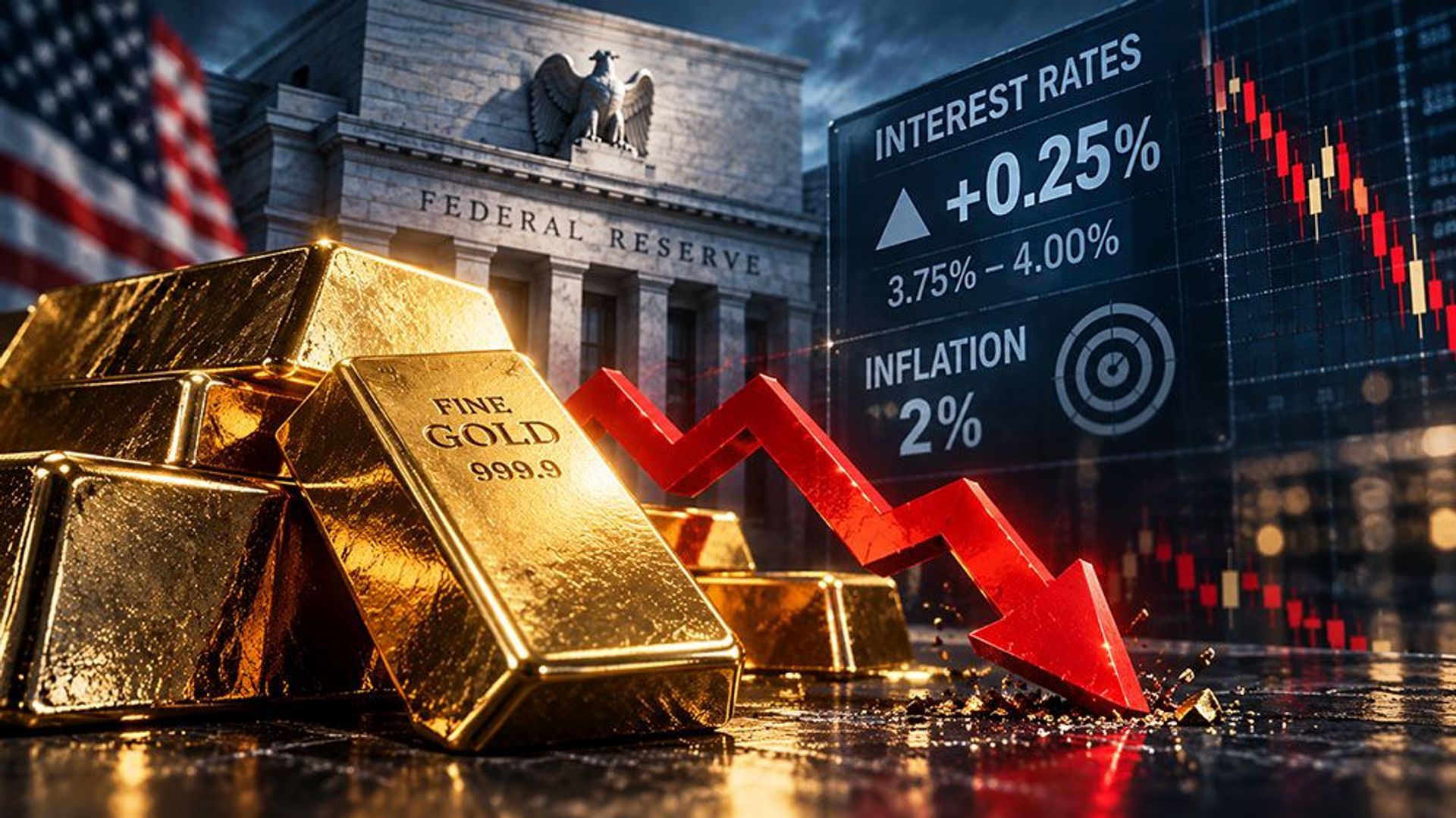
Global gold prices faced sharp downward pressure during trading on Thursday (October 22, 2026), falling below the psychological threshold of US$4,100 per troy ounce. Market observations show spot gold (XAU/USD) sliding to approximately US$4,088.80—a decline of 1.30%—extending the selling pressure seen over the last few sessions. This drop reflects growing investor caution regarding the outlook for U.S. interest rates, amid persistent global economic uncertainty and ongoing geopolitical conflicts.
A primary factor weighing on gold prices is concern over U.S. inflation, driven by high global oil prices. Tensions in the Middle East—including attacks on energy infrastructure and oil distribution routes—have heightened the risk of rising energy costs. Such conditions could keep inflation elevated for longer, potentially prompting the Federal Reserve (The Fed) to maintain a tight monetary policy. This poses a challenge for gold, as the precious metal does not generate interest yields.
Interestingly, this decline in gold occurred even as the U.S. Dollar Index (DXY) weakened by 0.10% to 101.247, and the yield on the 10-year U.S. Treasury note fell to around 5.082%. This suggests that the pressure on gold is not solely driven by a stronger dollar or rising yields. Profit-taking, position adjustments ahead of upcoming Fed decisions, and potential liquidations in the precious metals market have likely amplified the selling pressure. Silver also saw a decline, dropping 2.71% to approximately US$56.405 per troy ounce. Market participants are currently awaiting the Federal Reserve’s monetary policy meeting scheduled for October 27–28, 2026. The U.S. central bank is expected to keep interest rates unchanged at this meeting; however, the prospect of a rate hike in December continues to loom over the market. This uncertainty has made investors more cautious about increasing their gold positions, even though conflicts in the Middle East have historically tended to boost demand for safe-haven assets.
Looking ahead, the price of gold risks further decline if selling pressure persists and expectations for higher interest rates intensify. From a technical perspective, the US$4,073 level serves as a key support area to watch, while the US$4,100–US$4,135 range could act as an initial hurdle should the price attempt a recovery. Conversely, a weakening U.S. dollar, a decline in Treasury yields, or a shift toward a more dovish stance by the Fed could pave the way for a rebound. For now, investor attention is focused on whether gold can reclaim the US$4,100 level or if it will continue to slide toward US$4,000 per troy ounce. (asd)
Source: Newsmaker.id