
Trending
Nikkei
Source: Newsmaker.id
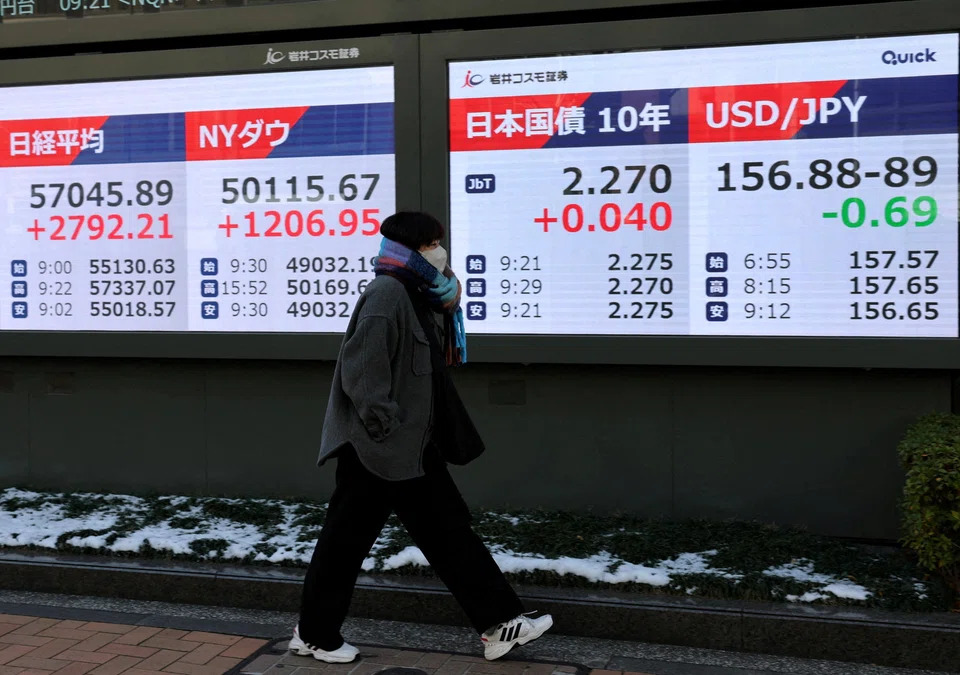
The Nikkei 225 index closed 0.05% lower at 67,744 in Wednesday's trading (Oct. 14), marking its fifth consecutive session of declines. Although the index initially traded higher, it came under pressure as investors scrutinized the outlook for the semiconductor industry and the sustainability of artificial intelligence (AI) investments. Concerns intensified after ASML announced it would be unable to meet total demand for chip-making equipment over the next two years.
ASML's statement fueled concerns that while demand for AI infrastructure remains immense, the semiconductor industry's supply capacity is struggling to keep pace. This situation has led investors to question the sustainability of AI investments and the valuations of technology companies that had previously seen significant gains. Consequently, selling pressure emerged across a range of Japanese technology-related stocks.
Shares of Kioxia Holdings fell 3.2%, Lasertec declined 1.6%, and Tokyo Electron dropped 2.7%. The banking sector also faced pressure, with Mitsubishi UFJ falling 1.9% and Mizuho Financial declining 2.9%. The weakness in both sectors reflects a cautious investor stance amidst growing uncertainty regarding growth prospects and global economic conditions.
Rising oil prices also drew attention due to their potential to exacerbate inflationary pressures. Energy supply disruptions stemming from escalating conflict in the Middle East raised investor concerns that higher energy costs could intensify price pressures and influence monetary policy. These factors present an additional challenge for the Japanese stock market, particularly if global interest rates remain elevated for a prolonged period. Market sentiment received a boost from New York Federal Reserve President John Williams, who stated that one additional rate hike might be necessary this year but saw no need for further tightening in 2027. While these remarks offered some breathing room for risk assets, they were insufficient to offset pressures stemming from the technology sector and inflation risks. Investors are now closely monitoring developments in the AI industry, energy prices, and the direction of global monetary policy to gauge the Nikkei's next move. (asd)
Source: Newsmaker.id