
Trending
hang-seng
Source: Newsmaker.id
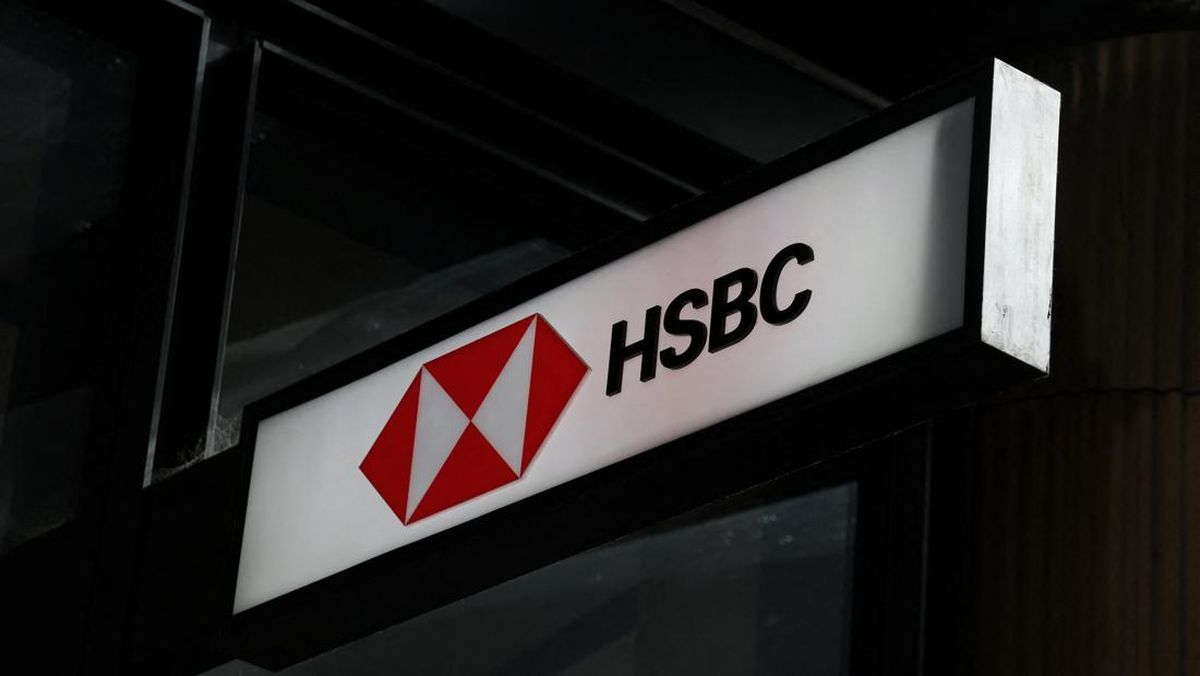
Hong Kong’s Hang Seng Index opened 202 points lower in Wednesday’s trading session (November 11, 2026), amid growing investor caution regarding the outlook for global financial markets. The decline was compounded by a drop of more than 1% in HSBC shares, which weighed on the financial sector. This shift reflects a change in market sentiment following gains in the Hong Kong stock market during the previous session.
Pressure on the Hong Kong stock market emerged after U.S. consumer inflation for October came in higher than anticipated. The U.S. Consumer Price Index (CPI) rose 0.4% month-on-month—surpassing the 0.3% expectation—while core inflation climbed 0.3%, exceeding the 0.2% projection. These data points reinforce concerns that the Federal Reserve may need to maintain a tight interest-rate policy to keep inflation in check.
The decline in HSBC shares has weighed on the Hang Seng, given the significant influence the financial sector exerts on the index. Furthermore, rising expectations for U.S. interest rates could dampen investor appetite for risk assets, including Hong Kong stocks. A stronger U.S. dollar and higher bond yields may also pose challenges for capital flows into Asian markets, while the outlook for China’s economic growth remains a key concern for investors.
Looking ahead, the Hang Seng’s trajectory will likely continue to be shaped by the direction of U.S. monetary policy, the performance of banking and technology stocks, and economic conditions in China. Should selling pressure on large-cap stocks persist, the index risks further declines. Conversely, if concerns regarding U.S. interest rates subside and investor sentiment improves, there could be an opportunity for a recovery in subsequent trading sessions.
Impact on the U.S. Dollar
The U.S. dollar may remain strong if higher-than-expected U.S. inflation increases the likelihood that the Federal Reserve will either maintain high interest rates or implement further hikes. Meanwhile, the weakening of the Hang Seng reflects growing investor caution regarding market risks. However, a decline in the Hong Kong index does not automatically lead to a stronger dollar, as the dollar’s movements are also influenced by bond yields and monetary policy.
Conclusion: The Hang Seng faces dual pressure from the weakening of banking stocks and concerns regarding U.S. interest rate policy.(CP)