
Trending
hang-seng
Source: Newsmaker.id
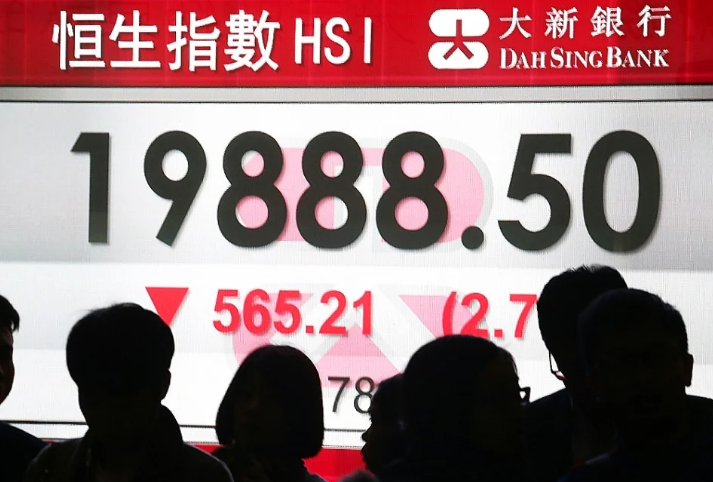
The Hang Seng Index closed 1.27% lower at 24,481.86 points in Friday’s trading session (November 6). The decline followed a massive sell-off on Wall Street, which exerted pressure on Asian stock markets—particularly within the technology sector. A day earlier, the Hang Seng had surged 3.67% to reach 24,796.98 points.
The pressure on the Hong Kong exchange stemmed primarily from investor concerns regarding the technology and artificial intelligence (AI) sectors. The Nasdaq had previously plummeted 5.52%, while growing unease over the valuations of AI-related stocks—compounded by the prospect of stricter regulations in the U.S.—prompted investors to reduce their exposure to riskier assets.
This sentiment weighed on Hong Kong’s technology stocks. During Friday’s session, the Hang Seng Tech Index faced downward pressure, with major tech stocks like Tencent also losing ground; data indicates that Tencent shares fell by approximately 2.46%.
The decline in the Hang Seng occurred amidst a broader sell-off across Asia. Japan’s Nikkei plunged nearly 6%, South Korea’s KOSPI fell by approximately 6%, and the Shanghai Composite weakened by 1.10%. This suggests that the pressure was not merely driven by domestic factors in Hong Kong, but was instead part of a global "risk-off" trend following the slump in U.S. technology stocks.
Newsmaker Analysis: The current decline in the Hang Seng reflects a domino effect from a global sell-off in technology stocks rather than a shift in Hong Kong’s economic fundamentals. Following a 3.67% single-day surge, profit-taking and heightened concerns surrounding the AI sector have led investors to adopt a more cautious stance. Should the pressure on global technology stocks persist, the Hang Seng may face increased volatility in upcoming trading sessions. (srh)
Source: Newsmaker.id