
Trending
hang-seng
Source: Newsmaker.id
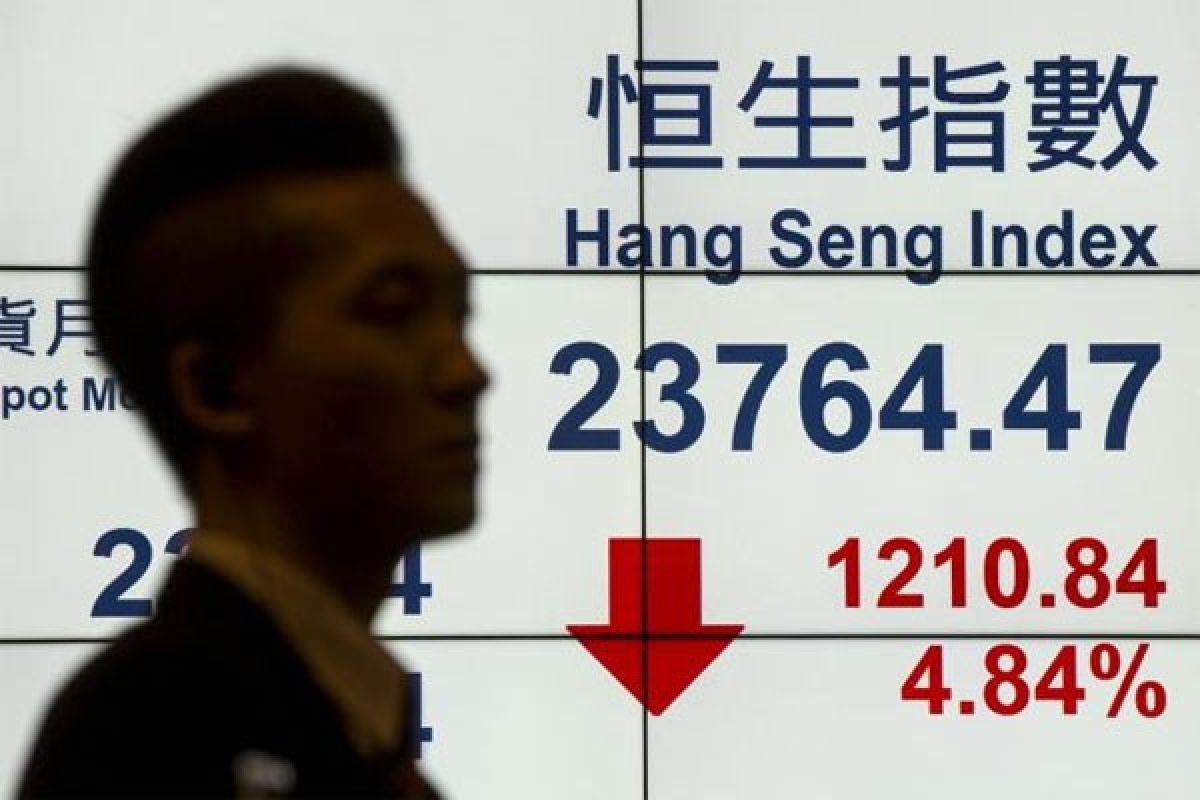
Hong Kong’s Hang Seng Index fell 0.4% in Wednesday’s trading session (November 4, 2026), driven by selling pressure on technology and consumer-sector stocks. This decline follows growing investor concern regarding potential tighter regulations on artificial intelligence (AI) in the United States, following preliminary midterm election results that suggest a stronger position for the Democratic Party. This political uncertainty has dampened global market sentiment, with Nasdaq 100 futures dropping 0.9% and S&P 500 futures falling 0.5%.
Concerns over shifts in U.S. technology policy have become a primary headwind for Asian stock markets. Investors anticipate that increased influence for the Democratic Party in Congress could lead to stricter oversight of technology companies, particularly those involved in AI development. Such a scenario could raise compliance costs and limit profit prospects for these firms. Nevertheless, AMD’s third-quarter financial results—which beat expectations—provided some support for semiconductor stocks, helping to alleviate pressure on the broader technology sector.
In China, efforts by the Beijing government to bolster stock market stability have yet to fully restore investor confidence. The CSI 300 Index fell 0.2%, despite the introduction of various policies by authorities aimed at strengthening market liquidity. Meanwhile, Hong Kong’s economy has shown signs of improvement, with third-quarter Gross Domestic Product (GDP) growing 5.2% year-on-year—an acceleration from the 4.2% growth recorded in the previous quarter. However, these positive economic developments have not been sufficient to offset the pressure stemming from external sentiment.
Several major Hong Kong-listed stocks saw mixed performance: Xiaomi fell 2.2%, Trip.com declined 2.6%, and Meituan retreated 1.4%. Conversely, shares of semiconductor manufacturer SMIC rose 1.1%, while Wuxi Biologics surged 4.3%. Investors are also keeping a close watch on China’s exchange rate policy, following an announcement by the People's Bank of China (PBoC) of plans to increase the foreign exchange reserve requirement ratio for financial institutions—a move aimed at curbing the appreciation of the yuan. This step reflects the authorities' efforts to maintain currency stability amidst shifting global market conditions.