
Trending
hang-seng
Source: Newsmaker.id
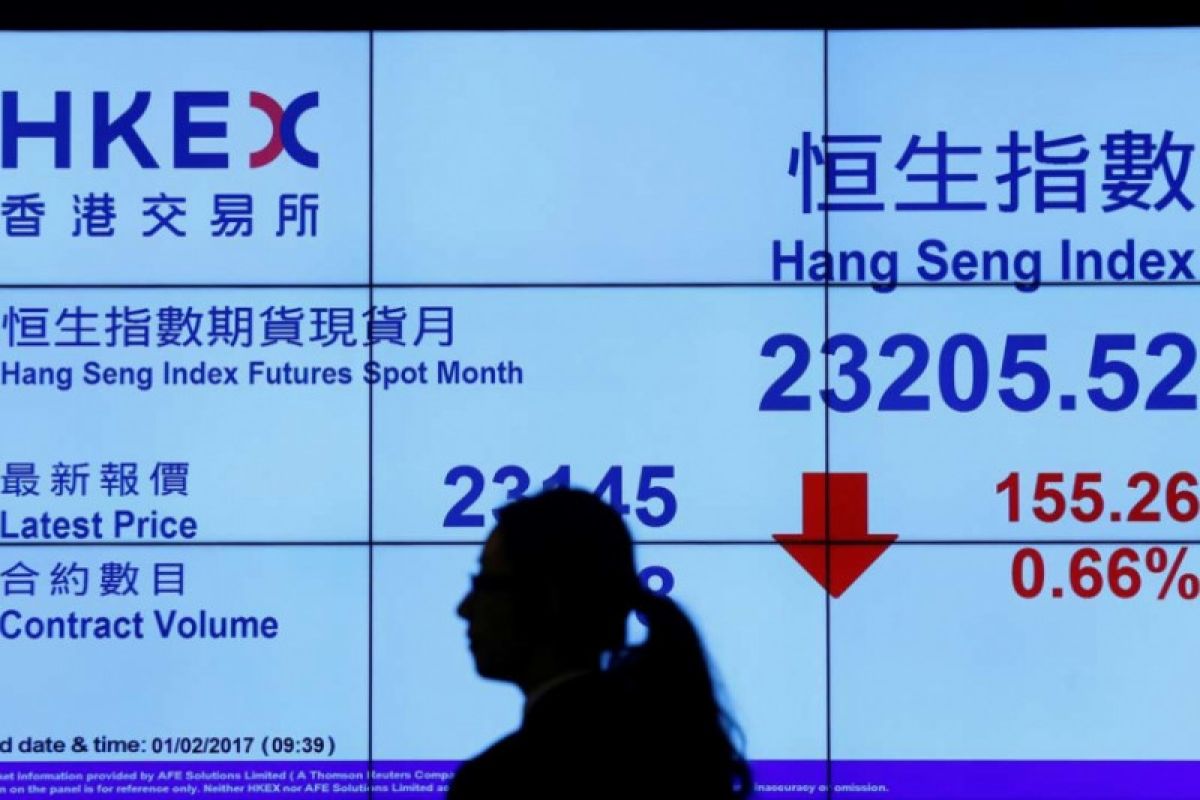
Hong Kong stocks extended losses on Friday (11/9), pressured by surging oil prices, rising global bond yields, and growing concerns over inflation. The Hang Seng Index fell around 1%, or 257 points, to 24,691, extending its decline for the week.
The biggest pressure came from the energy market after Brent crude climbed above US$109 per barrel. Disruptions along key shipping routes in the Middle East raised concerns over global energy supplies and increased the risk that inflation could remain elevated for longer.
Higher oil prices also strengthened expectations that global monetary policy could remain tight. The U.S. 10-year Treasury yield moved closer to 5%, raising financing costs and weighing on equity valuations, particularly technology companies that are highly sensitive to higher interest rates.
Investors also remained cautious ahead of the release of the U.S. Consumer Price Index (CPI) for August. The data will be closely watched after the latest Producer Price Index showed stronger wholesale price pressures, increasing expectations that the Federal Reserve could raise interest rates at its policy meeting next week.
Technology and financial stocks were among the main laggards. Tencent fell 1.3%, MiniMax declined 2.2%, SMIC dropped 2.6%, Xiaomi lost 0.9%, while AIA Group slipped 0.9%. Amid weakness in Hong Kong-listed AI stocks, Chinese startup Moonshot was reportedly considering dual listings in Hong Kong and Shanghai.
The Hang Seng continues to face a combination of negative factors, including surging oil prices, U.S. Treasury yields approaching 5%, and the risk of another Fed rate hike. If U.S. CPI comes in hotter than expected, pressure on technology stocks and other risk assets could persist. Conversely, softer inflation could push yields lower and open the door for a market recovery.