
Trending
eurusd
Source: Newsmaker.id
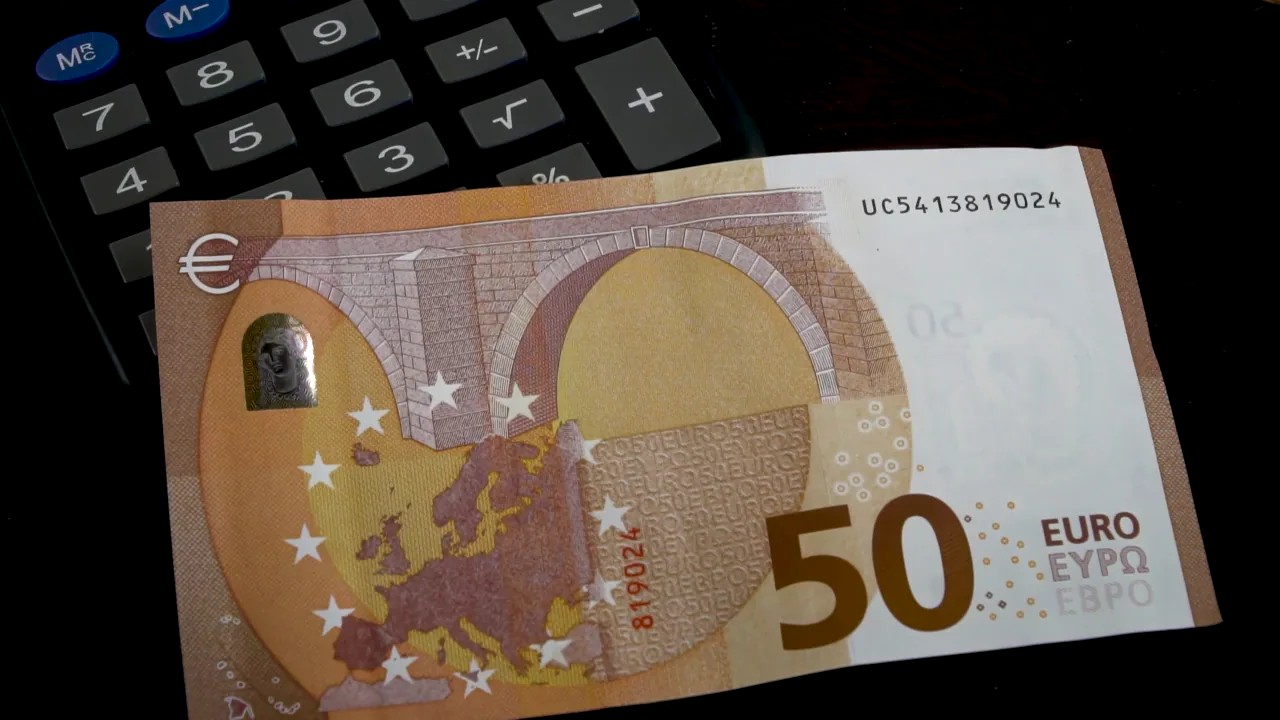
The Euro rebounded from its weakest level in about a year and a half, trading just below US$1.12 on Tuesday (Oct 13). This recovery occurred as the surge in oil prices began to ease, while the US Dollar and Treasury yields declined. These conditions provided some breathing room for the EUR/USD pair to alleviate pressure following a prolonged period of weakness.
However, the Euro's gains still face several headwinds. Inflation driven by rising energy prices remains a concern, as it could sustain price pressures within the Eurozone. Meanwhile, resilient economic activity has tempered expectations for interest rate cuts, leading the market to reassess the likelihood of monetary policy remaining tight.
Attention is also focused on France's fiscal situation. The French government aims to reduce its budget deficit to approximately 5% of GDP, but the plan faces uncertainty as the government requires parliamentary support to implement spending cuts. Uncertainty regarding the country's public finances could limit the Euro's appeal and make investors more cautious about European assets.
Regarding monetary policy, markets currently anticipate that both the ECB and the Federal Reserve could raise interest rates in December. The divergence in policy paths between the two central banks will be a crucial factor for the EUR/USD pair. If inflationary pressures in Europe remain high and the ECB maintains a hawkish stance, the Euro could find support; conversely, if the Fed appears more aggressive, the Dollar could regain the upper hand.
Newsmaker observes that the current Euro rebound remains fragile. While Dollar weakness and falling yields have allowed the EUR/USD to recover, energy-driven inflation and France's fiscal situation continue to weigh on the currency. Market focus now shifts to Wednesday's US CPI data and comments from ECB officials at the IMF-World Bank meetings to determine whether the Euro's rebound can be sustained or if it will lose momentum.
Source: Newsmaker.id