
Trending
Global & Economy
Source: Newsmaker.id
Iran’s Supreme Leader, Mojtaba Khamenei, has emphasized that Tehran will continue to prioritize its national interests when determining steps to end the war against the combined forces of the U.S. and Israel. This statement was made during a meeting between Khamenei and the head of Iran’s Security Council, Mohsen Rezaei, on Tuesday (October 27).
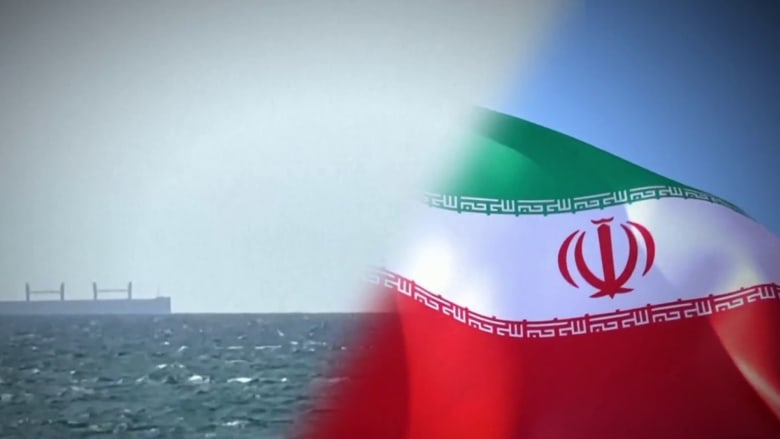
During the meeting, the two discussed efforts to safeguard national and regional security, including maintaining control over the Strait of Hormuz and strengthening bilateral ties with neighboring nations. The strait is a primary focus, as it serves as a vital artery for global oil trade.
Iran has previously stated that any peace talks with the U.S. would require the lifting of the naval blockade on Iranian ports and the easing of sanctions. Meanwhile, Washington has demanded that Tehran abandon its nuclear ambitions as a prerequisite for resolving the conflict.
Hopes for a diplomatic path have grown following visits to Iran on Monday by senior officials from Saudi Arabia, Turkey, and Pakistan. These meetings represent the first high-level contact between Tehran and these three nations since the Middle East conflict expanded into Yemen.
In Yemen, the Iranian-backed Houthi group remains engaged in conflict with forces supported by Saudi Arabia. Fighting is ongoing in a strategic region that controls the shipping lanes of the Bab el-Mandeb Strait, while the Houthis have also launched attacks on critical infrastructure within Saudi Arabia.
These developments remain a point of concern for energy markets, as both the Strait of Hormuz and the Bab el-Mandeb Strait are essential conduits for global oil trade. Although the flow of supplies through the Strait of Hormuz has begun to recover, the potential for further escalation continues to raise fears regarding disruptions to energy shipments and could sustain a geopolitical risk premium in oil prices.
Source: Newsmaker.id