
Trending
Global & Economy
Source: Newsmaker.id
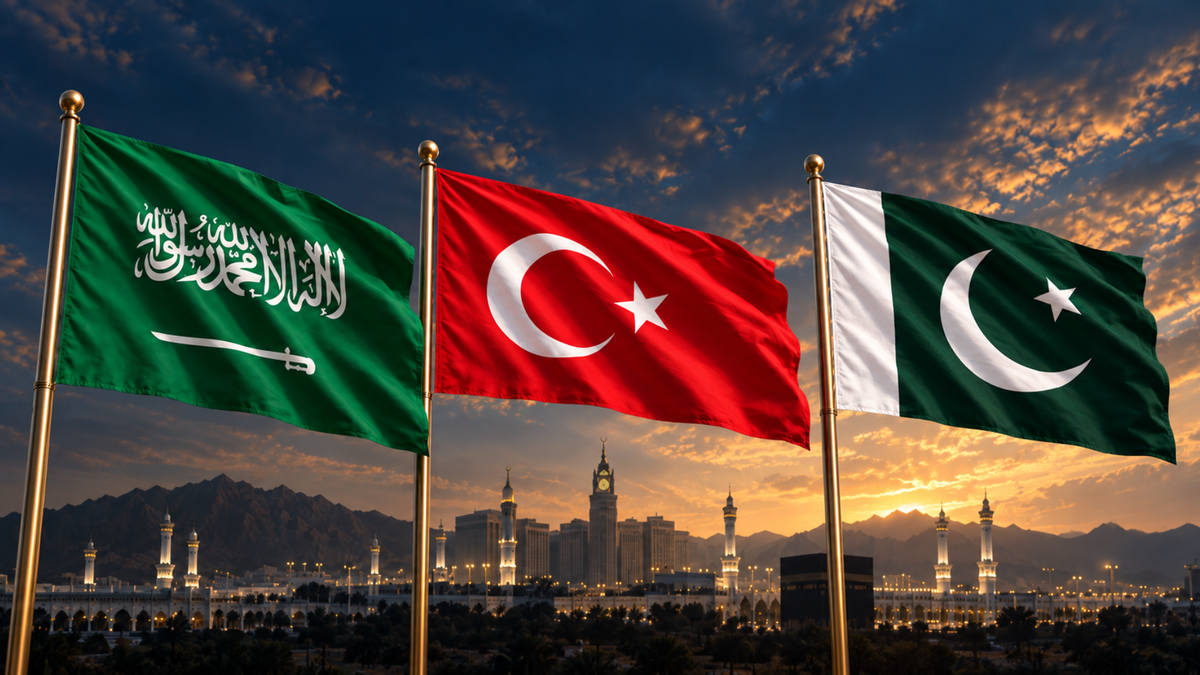
Senior security officials from Saudi Arabia, Pakistan, and Turkey met with Iranian leaders in Tehran on Monday (October 26) in an effort to de-escalate tensions and revive diplomatic channels. The meetings involved Saudi Defense Minister Khalid bin Salman, Pakistan’s Army Chief Asim Munir, and Turkish intelligence chief Ibrahim Kalin.
The meetings took place about a week before the U.S. midterm elections, following repeated hints from former President Donald Trump regarding the possibility of resuming attacks on Iran after months of a stalemate. This situation has kept geopolitical risks in the Middle East high, remaining a primary concern for energy markets.
Brent crude prices remain above US$115 per barrel, despite a correction of approximately 1% on Monday. This decline followed the meetings in Tehran, which signaled that channels for dialogue remain open—potentially reducing the risk of an escalating conflict.
Iranian President Masoud Pezeshkian stated that Tehran is prepared to take steps to strengthen regional cooperation and resolve differences. Iran also reiterated that its nuclear activities are intended for peaceful purposes and are not aimed at developing nuclear weapons.
Meanwhile, security risks persist. The Iran-backed Houthi group continues to launch missile and drone attacks against Saudi Arabia. On Monday, the Saudi-led coalition announced that it had destroyed several Houthi missile storage facilities and launchers following a series of attacks over the weekend.
Newsmaker Analysis: The meetings between Saudi Arabia, Pakistan, Turkey, and Iran serve as a positive signal for the market, as they open the door for de-escalation and could potentially lower the geopolitical risk premium on oil. However, the threat of escalation remains high ahead of the U.S. election on November 3. Diplomatic progress could lead to a correction in oil prices and improve risk sentiment, whereas a failure in negotiations—or new attacks—could drive energy prices back up and increase demand for safe-haven assets. (arl)
Source: Newsmaker.id