
Trending
Global & Economy
Source: Newsmaker.id
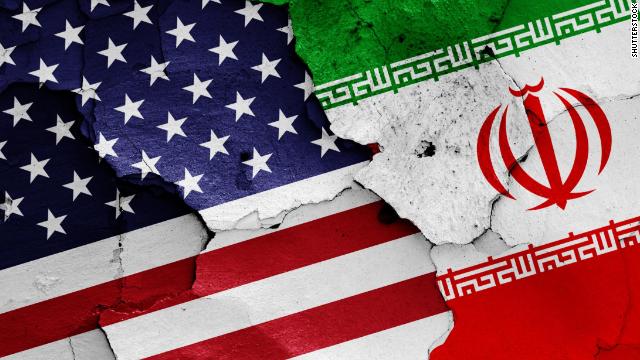
Iran has once again urged the United States (US) to lift its naval blockade as proof of Washington’s sincerity in ending the conflict through diplomatic channels. On Wednesday (October 21, 2026), Iranian Foreign Minister Abbas Araghchi emphasized that Tehran remains open to negotiations, provided the US demonstrates a genuine commitment to reaching a fair and sustainable peace agreement. This statement comes as diplomatic efforts between the two nations have reached a stalemate, while escalating military threats raise concerns about a potential intensification of the conflict in the Middle East.
Araghchi asserted that Iran requires concrete guarantees before resuming talks with Washington—specifically the lifting of the naval blockade and the fulfillment of commitments previously discussed during diplomatic proceedings. Iran has also linked the reopening of the Strait of Hormuz to the satisfaction of these conditions. Meanwhile, the Iranian outlet Fars News reported threats directed at US political figures should the United States launch further military strikes. Such rhetoric underscores the extreme tension between the two nations, even though the door to negotiations has not yet been completely shut.
Regional security uncertainty has deepened following reports that a Saudi-led coalition intercepted and destroyed five drones launched toward the kingdom. Simultaneously, the US military is reportedly adjusting the deployment of its personnel across various Middle Eastern bases as a precautionary security measure. These developments have heightened concerns regarding stability in the Gulf region, particularly given that the Strait of Hormuz serves as a vital strategic artery for global energy trade. Should the US-Iran negotiations remain deadlocked, the risk of disruptions to oil shipments and a subsequent rise in energy costs could once again loom over international markets.