
Trending
Global & Economy
Source: Newsmaker.id
Maritime security tensions in the Middle East returned to the forefront of global market concerns on Monday (October 19), following reports of an incident involving oil tankers near the Strait of Hormuz, alongside persistent threats to shipping in the Bab el-Mandeb Strait.
Iran’s Revolutionary Guard reported that two tankers caught fire after allegedly striking naval mines on October 18, though the details of the incident have yet to be independently verified. Meanwhile, threats from the Houthi group against vessels traversing the Red Sea remain a major concern for the international shipping industry. These developments have heightened anxieties regarding the security of two strategic trade arteries that are vital to the global distribution of energy and goods.
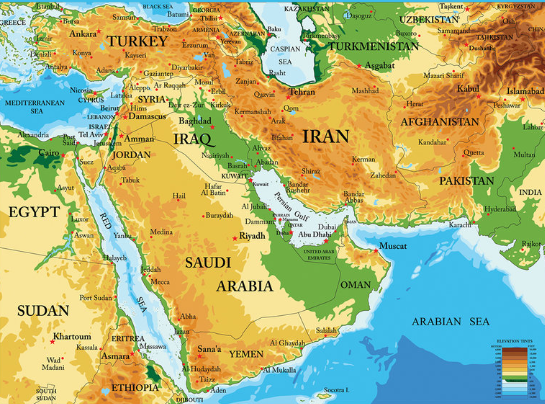
The Strait of Hormuz serves as a primary conduit for oil shipments from the Persian Gulf to international markets, while the Bab el-Mandeb connects the Red Sea to the Gulf of Aden, acting as a critical gateway to the Suez Canal. Security disruptions in either area could force shipping companies to alter their routes, leading to higher insurance costs and longer transit times.
These risks would intensify should attacks on tankers and cargo vessels persist. Shipping operators might be compelled to seek alternative routes—such as navigating around the Cape of Good Hope in Africa—though this would entail longer journeys and increased operational expenses.
Threats to these two trade routes could exacerbate global inflationary pressures, particularly if crude oil prices surge due to fears of supply disruptions. Rising energy costs would likely drive up the expenses associated with the production, transportation, and distribution of goods, ultimately risking an increase in the prices of essential consumer commodities.
This situation also complicates the task for central banks worldwide—including the U.S. Federal Reserve and the European Central Bank—as they strive to strike a balance between price stability and economic growth. Nevertheless, diplomatic developments between the United States and Iran remain a crucial factor; should they lead to an agreement ensuring the safe passage of vessels, the risks could potentially be mitigated. In the financial markets, escalating tensions in the Strait of Hormuz and the Bab el-Mandeb Strait could drive up the prices of Brent and WTI crude oil, as the risk premium on supply increases. The US dollar may find support as a "safe-haven" asset, particularly if geopolitical uncertainty prompts investors to reduce their exposure to riskier assets.
Meanwhile, gold has the potential to strengthen due to rising demand for a hedge asset, though a stronger dollar and higher US bond yields could cap its gains. Should energy supply disruptions persist and reignite inflationary pressures, the market might anticipate that the Federal Reserve will keep interest rates higher for longer; consequently, the trajectory of gold will largely depend on the balance between safe-haven demand and expectations regarding US monetary policy. (CP)