Asian Stocks Rise; Cooling Inflation Fuels Tech Rally
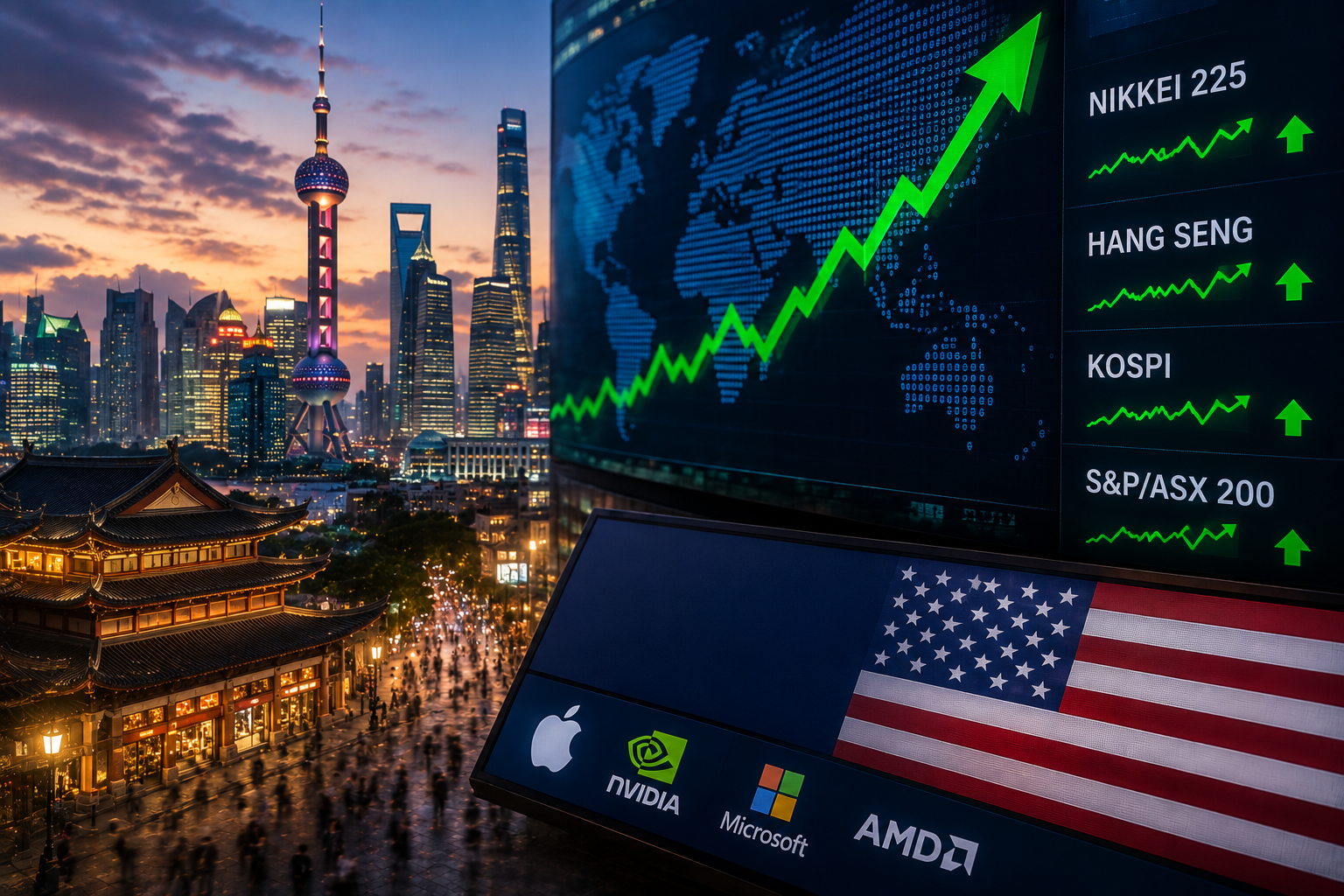
Asian stock markets traded higher on Friday, putting them on track for a fourth consecutive week of gains. The MSCI Asia Pacific Index rose approximately 0.3%—bringing its weekly gain to 2.6%—after moderated US inflation eased concerns regarding a Federal Reserve interest rate hike in September.
Technology stocks drove the rally. South Korea's Kospi led the region's gains, with Samsung Electronics and SK Hynix both surging more than 14% over the week. Investors returned to artificial intelligence-related stocks as the semiconductor sector sell-off from July began to subside.
Global sentiment was also bolstered by Wall Street. The S&P 500 hit a new record high on Thursday, while the Nasdaq 100 jumped over 1% to its highest level since late June. Investor interest in AI stocks has rebounded alongside heavy spending by tech companies on hardware and data center infrastructure.
On the macroeconomic front, the US Producer Price Index (PPI) for July remained flat month-over-month, while the year-over-year rate slowed to 4.7% from the previous 5.5%. With the Consumer Price Index (CPI) also relatively contained and labor market data showing signs of cooling, the market now assigns only a 35% probability to a Fed rate hike in September.
In other markets, the yield on the two-year US Treasury note held steady around 4.15% after falling in the previous session. Brent crude eased to approximately $86.74 per barrel, while gold pulled back to around $4,317. The Japanese yen hovered near 159.43 against the dollar, keeping markets alert to Bank of Japan policy and potential further measures to support the currency.
Newsmaker Analysis: A combination of cooling US inflation, diminished expectations for a Fed rate hike, and a resurgence in AI stocks has served as the primary catalyst for the rally in Asian markets. Provided US economic data does not heat up again, technology stocks are well-positioned to maintain their momentum. However, the direction of the yen, BOJ policy, and developments regarding the conflict in the Middle East remain key risks that could heighten market volatility.
Source: Newsmaker.id