Asian Stock Rally Continues, Markets Shrug Off Geopolitical Risks
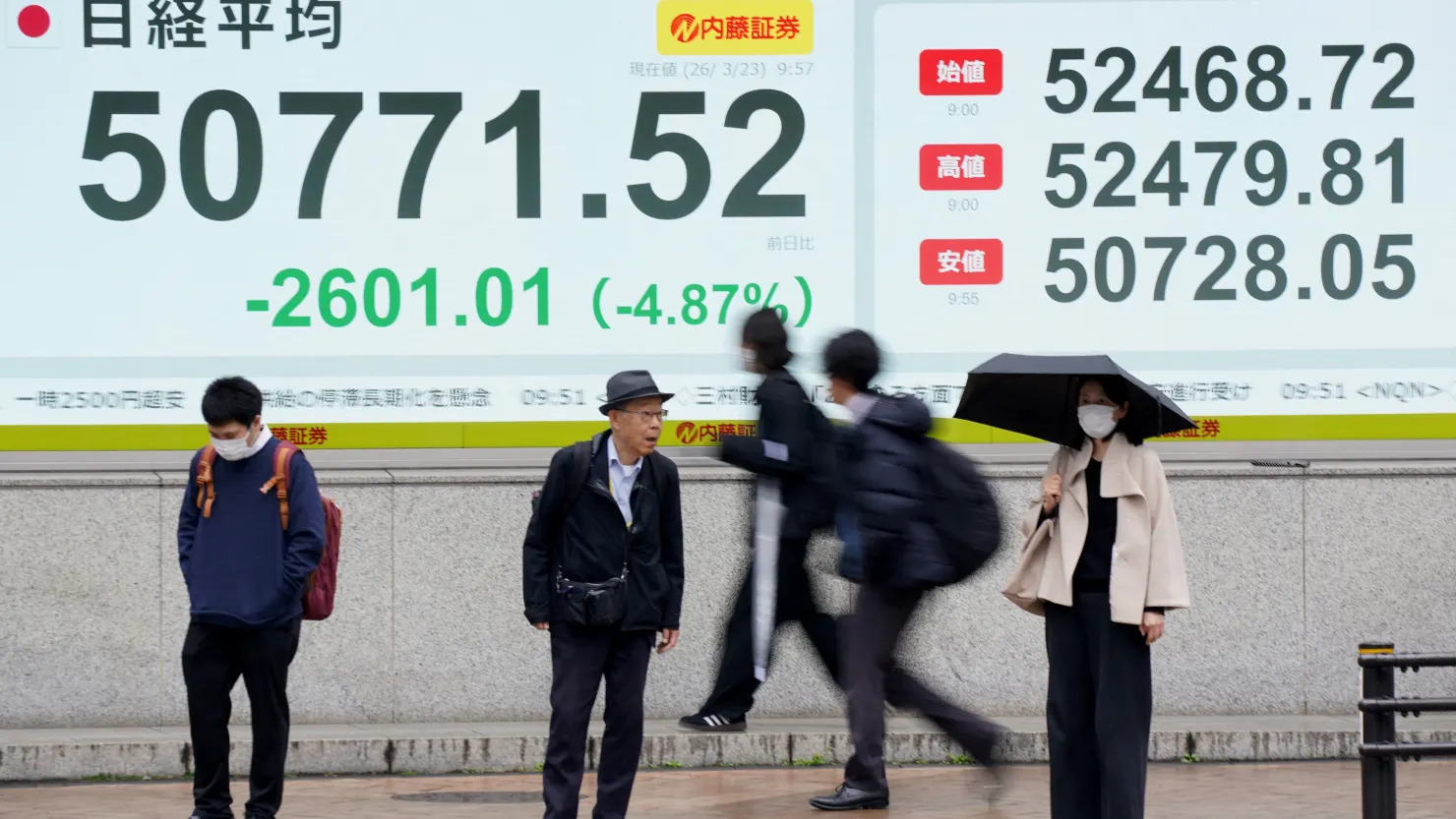
Asian stock markets rallied on Wednesday (July 1) after posting their best quarter in 17 years. This rise was driven by a rally in chipmaker shares and signs of resilience in the US economy, bolstering optimism about corporate earnings prospects.
Meanwhile, stocks in Japan and South Korea rose, pushing the MSCI Asia Pacific Index up 0.3%. This gain followed a rally in technology stocks on Wall Street, after the S&P 500 rose 0.8% and the Nasdaq 100 gained 1.7%. The semiconductor stock index also jumped nearly 4%, posting its highest quarterly gain.
This has prompted investors to begin to ignore some of the geopolitical tensions that still loom over the market. The latest US data shows the economy remains quite strong, with stable consumer spending and a solid labor market. This has eased concerns that high energy prices and trade uncertainty could hamper growth.
In commodity markets, Brent rose 0.7% to around US$73.50 per barrel in early Asian trading, recovering some of the earlier losses fueled by expectations that the US-Iran ceasefire would hold. Meanwhile, gold held steady at around US$4,010 per ounce, while the yen hovered around 162.65 per US dollar after falling to a 40-year low.
The pressure on the yen has market participants closely monitoring the potential threshold for intervention by the Japanese Ministry of Finance. After the yen broke through 162 per US dollar, some strategists began viewing the 163 area and above as a threshold that might concern Japanese authorities. The market believes the Japanese government may be more tolerant of yen weakness this time around than in 2024.
On the monetary policy front, market participants are also closely monitoring the Federal Reserve's direction after stable employment data and persistently high inflation. Fed officials previously kept interest rates steady, but the possibility of a rate hike by the end of the year remains open. On the geopolitical front, US-Iran technical talks are said to be continuing, although tensions around the Strait of Hormuz remain a major risk to global energy markets. (asd)
Source: Newsmaker.id