Asian Markets Open Weak, US-Iran Conflict Pressures
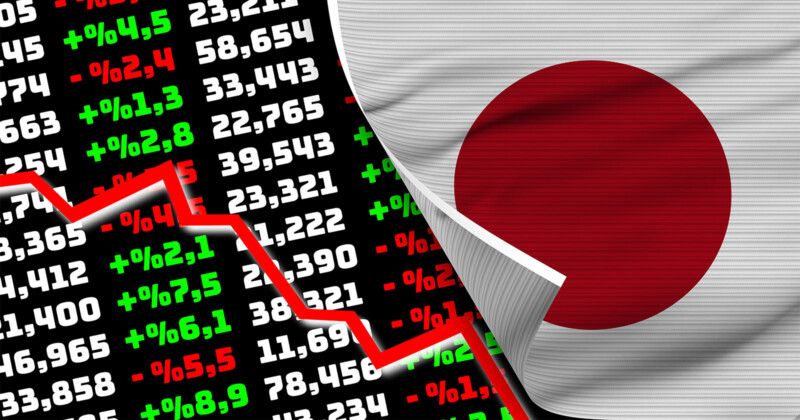
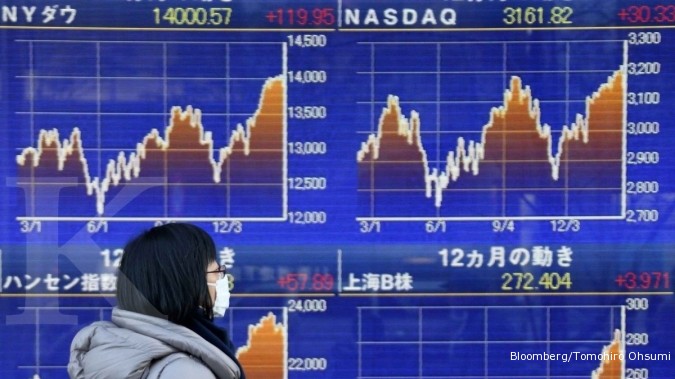
Asian markets weakened in trading this morning, Thursday (June 11th). The MSCI Asia Pacific ex-Japan Index fell around 0.9%, reflecting widespread pressure across the region. The negative sentiment came after Wall Street closed in the red, with the S&P 500 down 1.6%, the Nasdaq down 2.0%, and the Dow Jones Industrial Average falling around 953 points, or 1.9%.
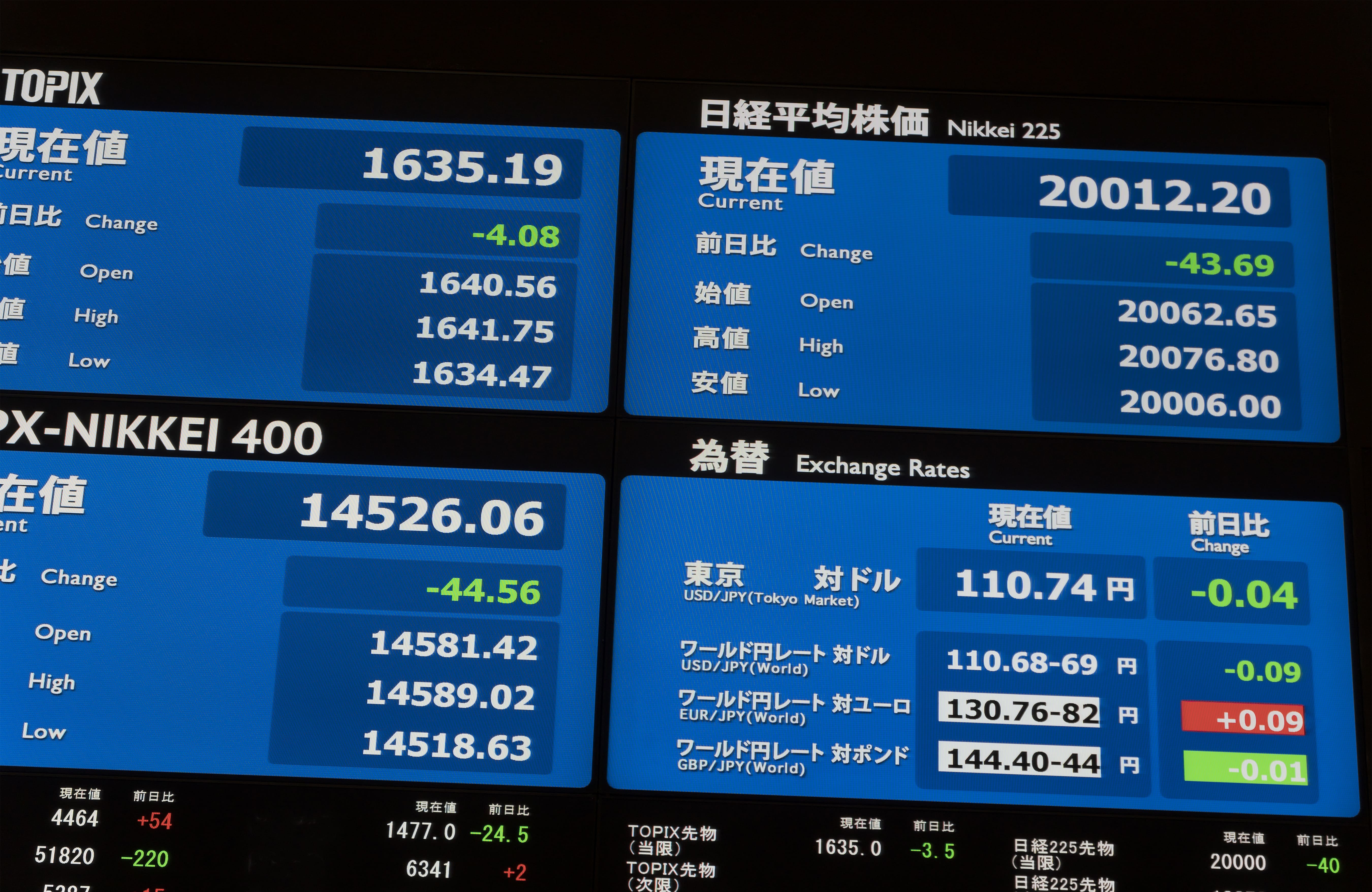
Pressure was also evident in several major Asian indices. Japan's Nikkei fell around 0.5%, the Shanghai Composite fell 0.2%, Australia's ASX 200 fell 0.2%, while Hong Kong's Hang Seng briefly edged up around 0.2%. In South Korea, deeper pressure was seen on the KOSPI, which fell as much as 3%, primarily due to a sell-off in technology and semiconductor stocks.
The main cause of the Asian market weakness came from a combination of the AI stock sell-off on Wall Street and heightened geopolitical risks. Major technology stocks like Nvidia fell 3.7%, Broadcom slumped 5.1%, and Super Micro Computer plunged 28%. This correction prompted Asian investors to reduce risk, particularly in the technology sector, which had previously been rallying.
In addition to pressure from the technology sector, the US-Iran conflict is also a major market concern. The latest US attack on Iran and the risk of disruption in the Strait of Hormuz have pushed oil prices up again. Brent strengthened by around 2% to around US$94.93 per barrel, raising concerns among the market about the potential for energy pressures to drive up global inflation again.
Currently, the direction of Asian markets will depend heavily on three factors: developments in the US-Iran conflict, oil price movements, and expectations for Fed policy. If oil prices continue to rise and US inflation remains high, Asian stock markets could potentially remain under pressure. However, if geopolitical tensions ease, there is still a chance for a rebound in the short term. (asd)
Source: Newsmaker.id