Wall Street Trims Rebound, De-escalation Hopes Fade
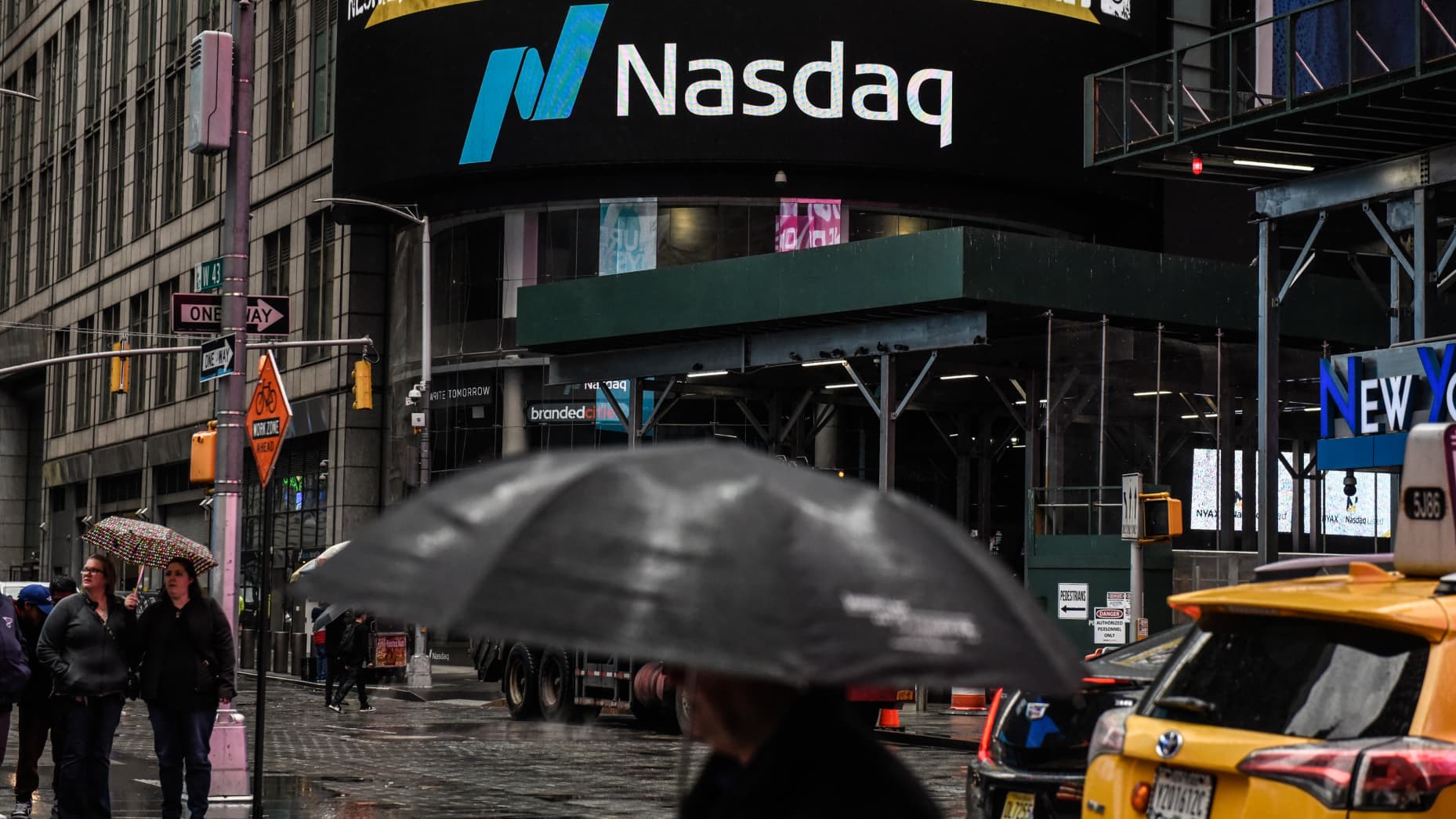
US stock indexes weakened on Tuesday (March 24), trimming the rebound seen the previous day, as hopes for a de-escalation in the Middle East faded and the risk of stagflation resurfaced. The S&P 500, Dow, and Nasdaq 100 fell more than 0.5%, as investors reassessed the combination of high energy inflation and weakening growth prospects.
Sentiment pressure arose after Iran reportedly continued to attack targets in Israel and the GCC countries, further dimming expectations of an imminent de-escalation. At the same time, Israel accelerated its attacks on Iran and Lebanon. These developments overshadowed any signs of de-escalation from the US, after President Donald Trump postponed the strikes for five days after claiming constructive talks with Iran—a move that had triggered risk-on sentiment the day before, despite Iran's denial of such talks.
Large-cap technology stocks, sensitive to financing costs, also suffered. Microsoft and Amazon fell more than 1%, in line with market concerns that interest rates could remain high for longer if the oil shock fuels inflation.
In the alternative finance sector, pressure was evident in private credit. Apollo and Ares each fell more than 3% after becoming the latest to limit redemptions in their main private credit funds—an issue that has raised market concerns about liquidity and valuations in the segment.
On the other hand, Jefferies surged around 5% after reports emerged that Japan's Sumitomo was considering an acquisition of the company, a positive catalyst in contrast to the broader market weakness.
Source: Newsmaker.id