Asian Stocks Under Pressure, Oil Swings Sharply as Hormuz Ultimatum Nears Deadline
Financial markets began Monday with high volatility, marked by declines in Asian stocks and wild swings in US stock and oil futures, as the Iran war entered its fourth week with no signs of de-escalation. US bonds also came under pressure, reinforcing the renewed risk-off signals that had spread after the previous week's declines in stocks and bonds.
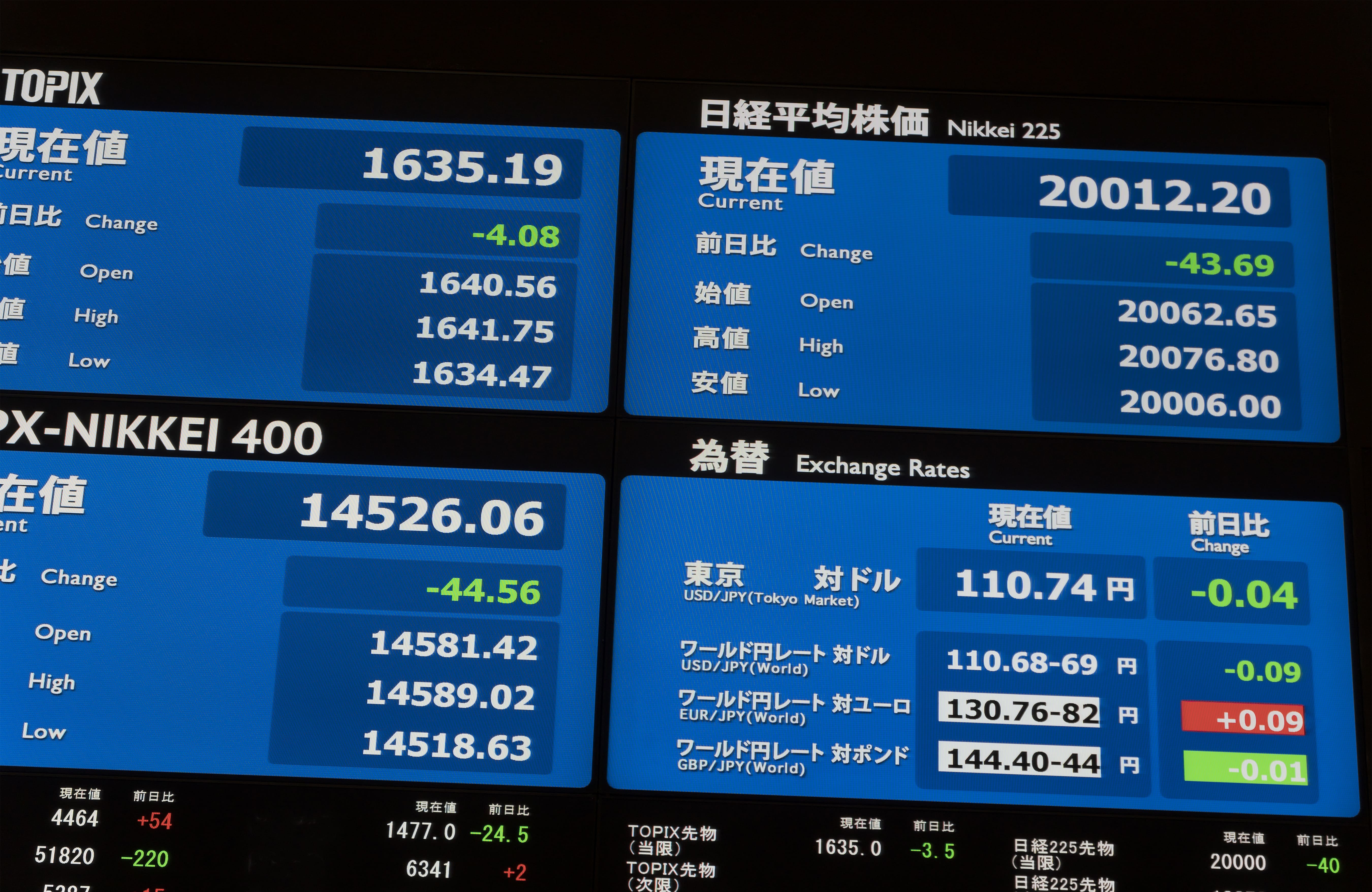
The MSCI Asia Pacific Index fell 1.2%, led by Japan, which resumed trading after a Friday holiday, with stocks falling around 3%. South Korea was hardest hit, with the Kospi falling more than 4%, while Australian stocks fell by 2% and moved into correction territory. The Hang Seng Index fell 2.1%, and Japan's Topix fell 2%.
Oil swung sharply, rising around 1.9% before reversing and falling nearly 1.8%, remaining around US$112 per barrel. S&P 500 futures moved choppy before falling 0.4%. In Australia, the 10-year government bond yield rose 13 basis points, extending the decline in bond prices, while the Bloomberg dollar indicator remained relatively stable.
The main trigger was the escalation surrounding the Strait of Hormuz. President Donald Trump issued a 48-hour ultimatum for Tehran to reopen the strait or face an attack on Iranian power plants, with the deadline expiring Monday evening New York time. Iran asserted that such an attack would trigger an indefinite closure of Hormuz and retaliatory strikes against US and Israeli energy infrastructure in the region.
arket participants consider uncertainty to be the primary risk. Miller Tabak strategist Matt Maley said the surge in uncertainty is making investors more cautious; even if there is no major selling, the absence of buyers could create a liquidity vacuum that magnifies price swings.
In global markets, the US-Iran war has prompted a simultaneous sell-off in stocks and bonds, with US yields holding at multi-month highs after three consecutive weeks of losses. Last week, the 2-year Treasury yield rose 18 basis points to 3.90%, reflecting the market's repositioning for higher interest rates. In the US, the sell-off accelerated on Friday as market participants began to anticipate that the Fed could shift to tightening this year if the oil surge triggers a new inflation shock, while also increasing pressure on other central banks in Japan, Europe, and the UK amid a weakening global growth outlook.
Source: Newsmaker.id