Hormuz Eases Inflation Fears; Dollar Holds at 99.6
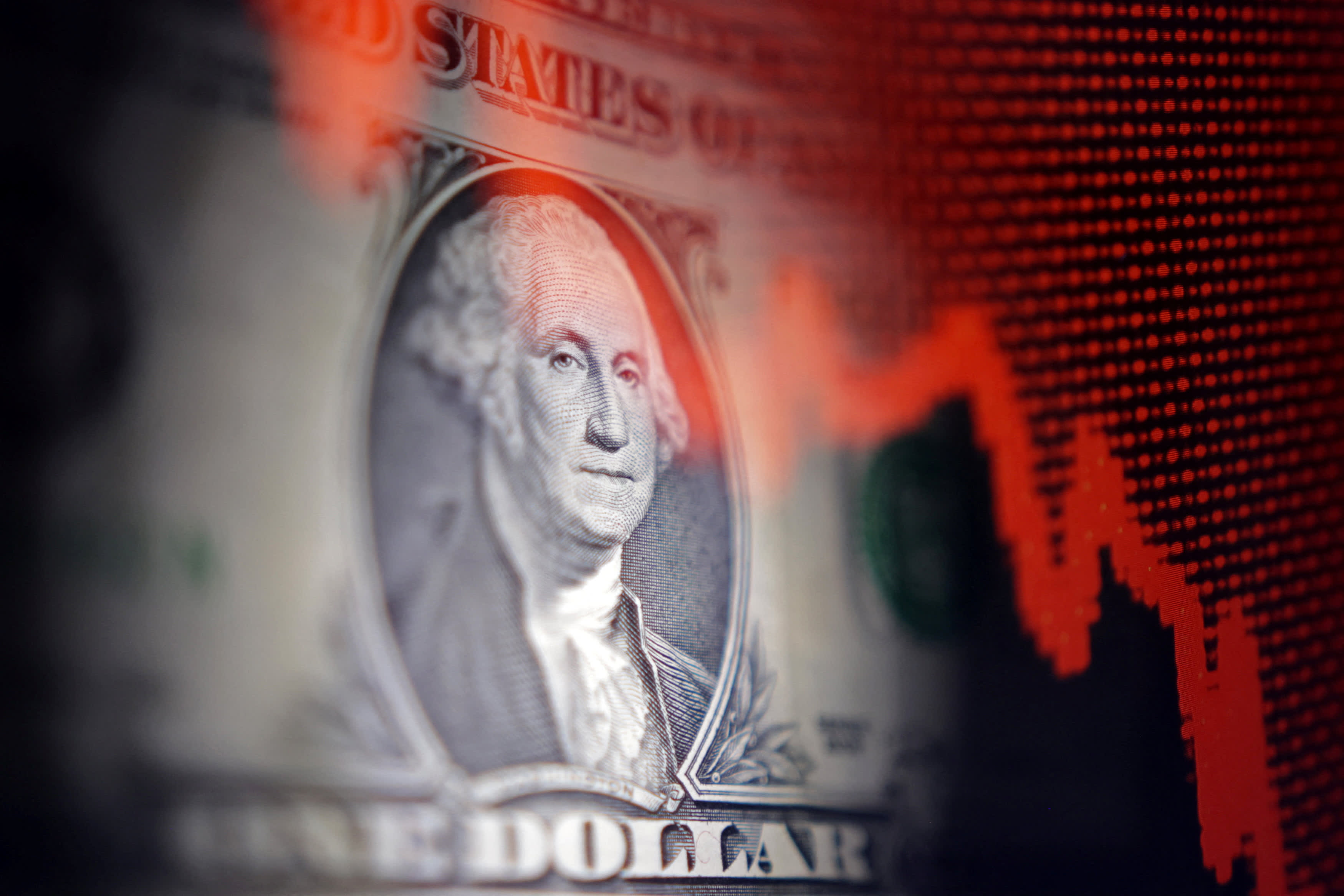
The US Dollar Index hovered around 99.67 during Thursday morning trading (August 6), remaining near a seven-week low. The dollar faced pressure from weak US labor data and easing concerns over energy-driven inflation, yet it avoided a sharp decline as the risk of a Federal Reserve rate hike remained on the table.
Sentiment shifted following signs of progress between Iran and Oman toward establishing a temporary shipping lane in the Strait of Hormuz. The prospect of partially restored energy flows pushed Brent crude down to around US$79.08 per barrel and WTI to US$74.69, leading markets to scale back expectations for aggressive Fed tightening. However, the agreement does not yet guarantee the full reopening of the strait and still faces disagreements regarding vessel oversight.
Downward pressure on the dollar was compounded by an ADP report showing the US private sector added only 44,000 jobs in July—the lowest figure since the start of the year and a slowdown from June's 95,000. Annual wage growth held steady at 4.4%, suggesting that while hiring is cooling, wage pressures have not yet fully dissipated.
Nevertheless, Fed Governor Lisa Cook affirmed her readiness to support a rate hike should inflation fail to moderate soon. Cook had previously supported the decision to maintain rates within the 3.50%–3.75% range but noted that the central bank cannot afford to wait too long if price pressures become entrenched.
Markets are now awaiting Friday's Nonfarm Payrolls report to confirm whether the ADP slowdown truly reflects weakness in the US labor market. Weak data could further weigh on the dollar and Treasury yields, whereas a strong report might revive rate-hike expectations and push the DXY back above the 100 mark.
Newsmaker Analysis: The DXY bias remains bearish as long as it stays below the 99.90–100.00 range. Immediate support lies at 99.50, followed by 99.20. A break below 99.50 could extend the dollar's weakness and provide support for gold and other major currencies. Conversely, the DXY needs to break through the 100.00–100.20 range to pave the way for a recovery toward 100.50. The subsequent direction hinges largely on the NFP results, wage growth, and the implementation of the Hormuz agreement. (gn)
Source: Newsmaker.id