Oil Continues Gains as Lower Russian Flows Offset Trump Tariffs
Oil extended its biggest gain in nearly four weeks as tighter Russian crude supplies overshadowed concerns about the impact of President Donald Trump’s sweeping tariffs.
Brent crude futures rose above $76 a barrel after closing 1.6% higher on Monday, while West Texas Intermediate rose for a third session toward $73. Russian data showed output last month fell further below the country’s OPEC+ quota, according to people familiar with the figures.
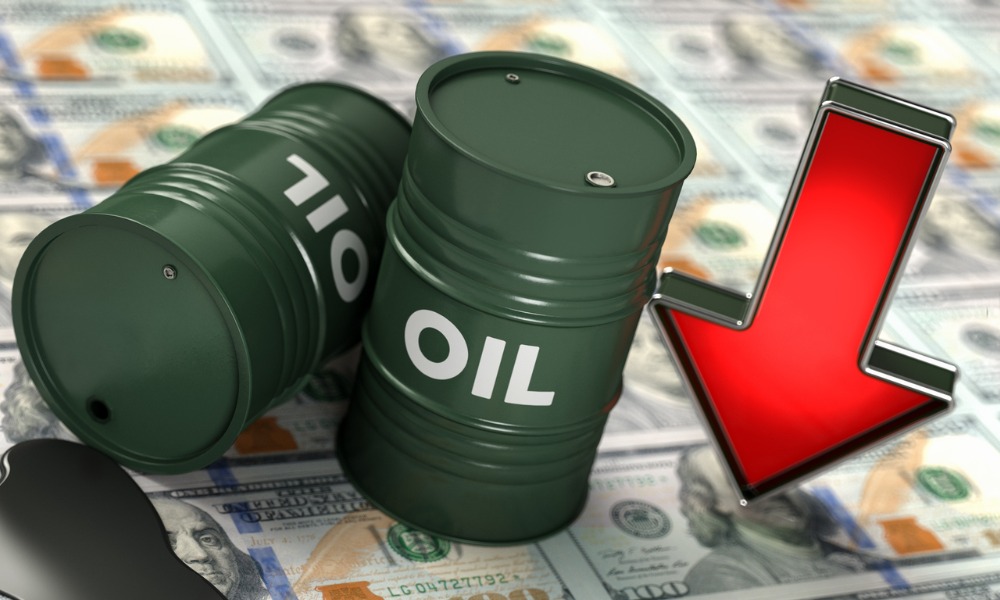
Oil had a rocky start to the year, initially rising on higher heating demand due to the Northern Hemisphere winter and U.S. sanctions on Russia’s crude industry. But prices have fallen in the past three weeks as Trump’s tariff regime has threatened a trade war on multiple fronts.
The U.S. president recently ordered 25% tariffs on all U.S. aluminum and steel imports, including from Canada and Mexico, the country’s top two foreign suppliers.
The levies take effect on March 12, according to a pair of proclamations issued by the White House late Monday. “Modeling the impact of what we currently know and what we don’t know on rates remains a pretty big challenge,” said Chris Weston, head of research for Pepperstone Group Ltd. But for now, “the mix of short-term and organic buying suggests we may have seen a near-term bottom.”
Trump also said Israel should break a cease-fire agreement with Hamas if hostages are not returned by the end of the week, risking an escalation in hostilities. Both have accused each other of violating the terms of the deal.
There are signs of tightening in some corners of the market, particularly in the Middle East, where competing curbs on flows more broadly have meant that producers in the region have been able to raise prices for their main customers in Asia. In Europe, soaring natural gas prices have made it more cost-effective to burn oil, potentially boosting demand.
Source: Bloomberg