Global Energy on the Verge of a Test of Courage
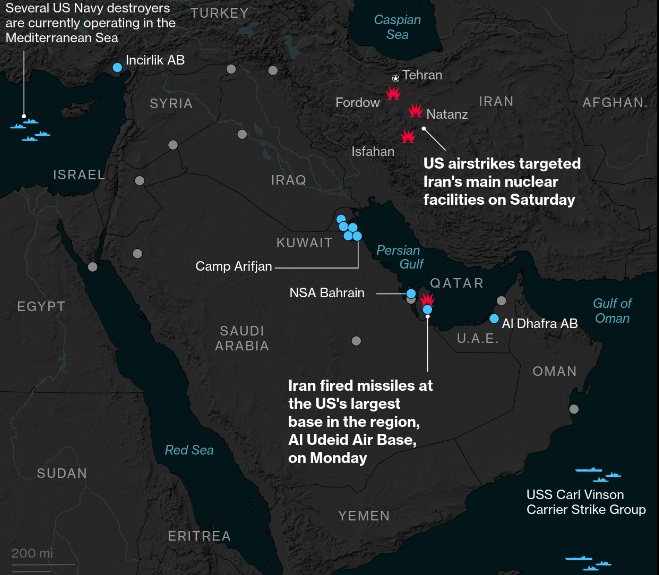
President Donald Trump stated that the United States would provide ship insurance and, if necessary, tanker escorts to ensure the smooth flow of energy and trade in the Gulf, amid the US-Israel war against Iran. Trump said the US International Development Finance Corporation (DFC) would offer insurance "at a reasonable price" and asserted that the US would keep global energy flows flowing.
The announcement temporarily eased some of the "risk premium" in the energy market, but market participants remained cautious. Many believe the escort and insurance plans will not immediately return ship flows to normal, as the primary issue is the risk of attacks on the ground, not simply the cost of policies.
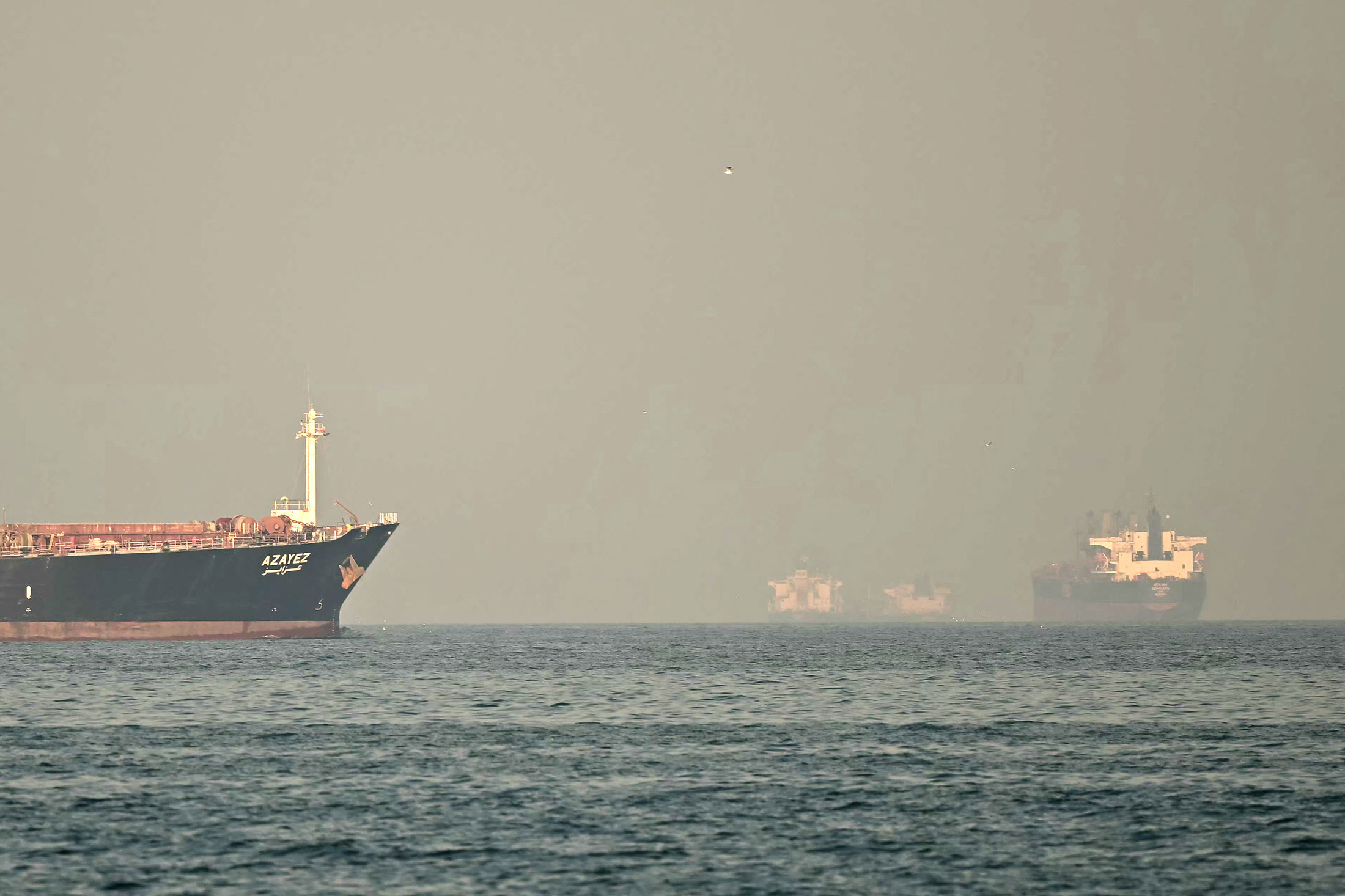
These doubts are heightened as the conflict has caused significant disruption to the shipping ecosystem. Several reports indicate that risk managers have withdrawn coverage for ships entering the Gulf, forcing shipowners to recalculate the costs and security of their routes, ultimately leading many vessels to wait or avoid dangerous routes.
On the security front, the situation in the region has also deteriorated. Reuters reported that the CIA station inside the US Embassy in Riyadh was hit by a drone attack suspected to be linked to Iran, reinforcing the signal that the escalation is not limited to the main war zone and could spread to other strategic points in the Gulf region.
Energy experts believe that implementing the US plan will not be a quick matter. Bob McNally of Rapidan Energy believes that the US military will likely need to first suppress Iran's ability to attack ships (mines, anti-ship missiles, drones). Therefore, the restoration of the Hormuz flow is more realistically calculated in weeks, not hours or days depending on whether Tehran chooses to continue its resistance.
Near-term outlook: The market will remain "tense" until there is concrete evidence that shipping traffic is returning to normal. In the coming days, the main focus will be on how quickly the DFC scheme actually operates (premiums, coverage, who is willing to buy), whether US escorts are actually operational, and whether attacks on assets/ships are reduced. If the escalation continues and private insurance continues to withdraw, shipping disruptions could potentially persist, meaning energy volatility and global inflation risks are likely to remain high. (asd)
Source: Newsmaker.id