UAE's OPEC Exit Not Enough to Dampen Oil Rally
Oil rose to its highest level since before the US-Iran ceasefire, as the market awaited Washington's response to Tehran's proposal to end the war and potentially reopen the Strait of Hormuz. Brent closed up 2.8% at US$111.26/barrel in June, while WTI jumped 3.7% to US$99.93/barrel, reflecting a strengthening supply risk premium as energy flows remained constrained.
The main trigger came from President Donald Trump's statement that Iran had asked the US to lift its naval blockade and open Hormuz "as soon as possible." However, the proposed arrangement was still interim: Iran was said to be willing to open the strait in exchange for an end to the blockade, while nuclear negotiations were postponed—with Tehran still wanting to retain some control over shipping, a potentially difficult point for Washington to accept. At the same time, the US increased economic pressure through sanctions on Iran's shadow banking network and warnings about banks' exposure to Iranian oil imports.
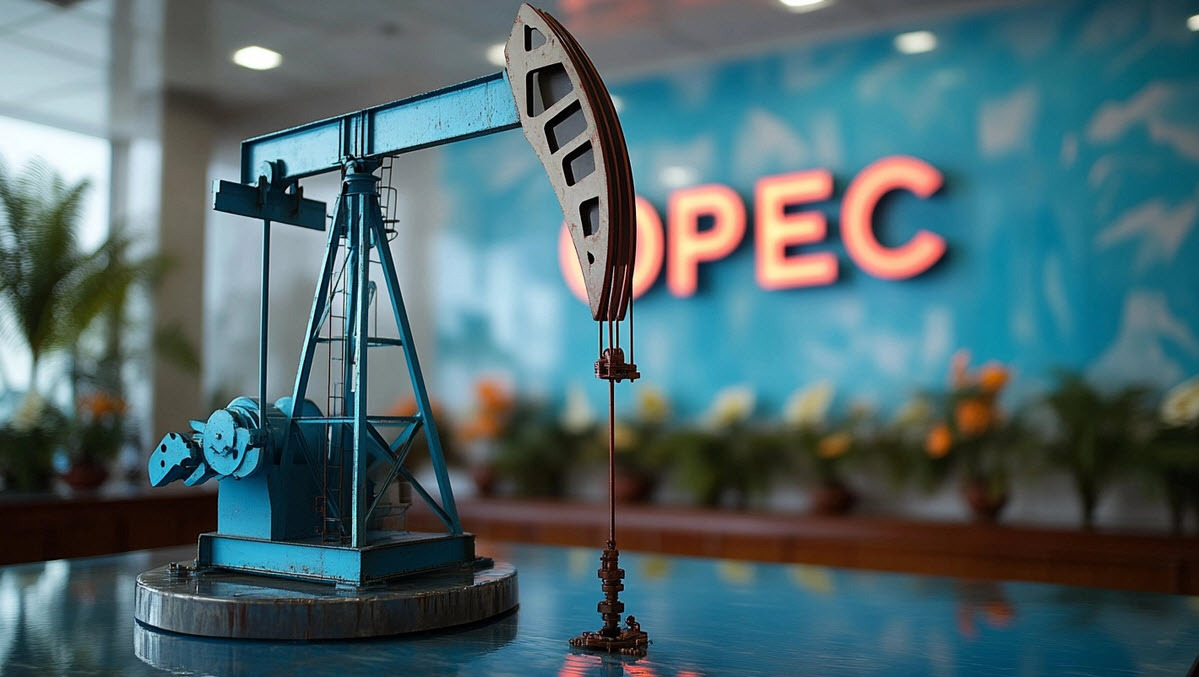
News of the UAE's withdrawal from OPEC/OPEC+ on May 1 temporarily halted intraday gains, but market reaction was limited as the focus remained on physical market tightness due to the near-shutdown of Hormuz. Several global banks again raised their price projections following deepening global stock drawdowns. Meanwhile, the US blockade has caused Iranian tankers to turn back and increased the risk of Iran running out of storage capacity, which could force further production cuts. The impact is starting to be felt by US consumers, with average gasoline prices reportedly rising to US$4.18 per gallon. (Arl)*
Source: Newsmaker.id