Oil Rises Slightly, Iran Risks Still Limit Downward Movement
Oil prices rose nearly 1% on Wednesday (June 17) after US President Donald Trump stated that the ceasefire agreement with Iran was not final. The statement revived some geopolitical risk premiums, although concerns about a potential oversupply next year limited price gains.
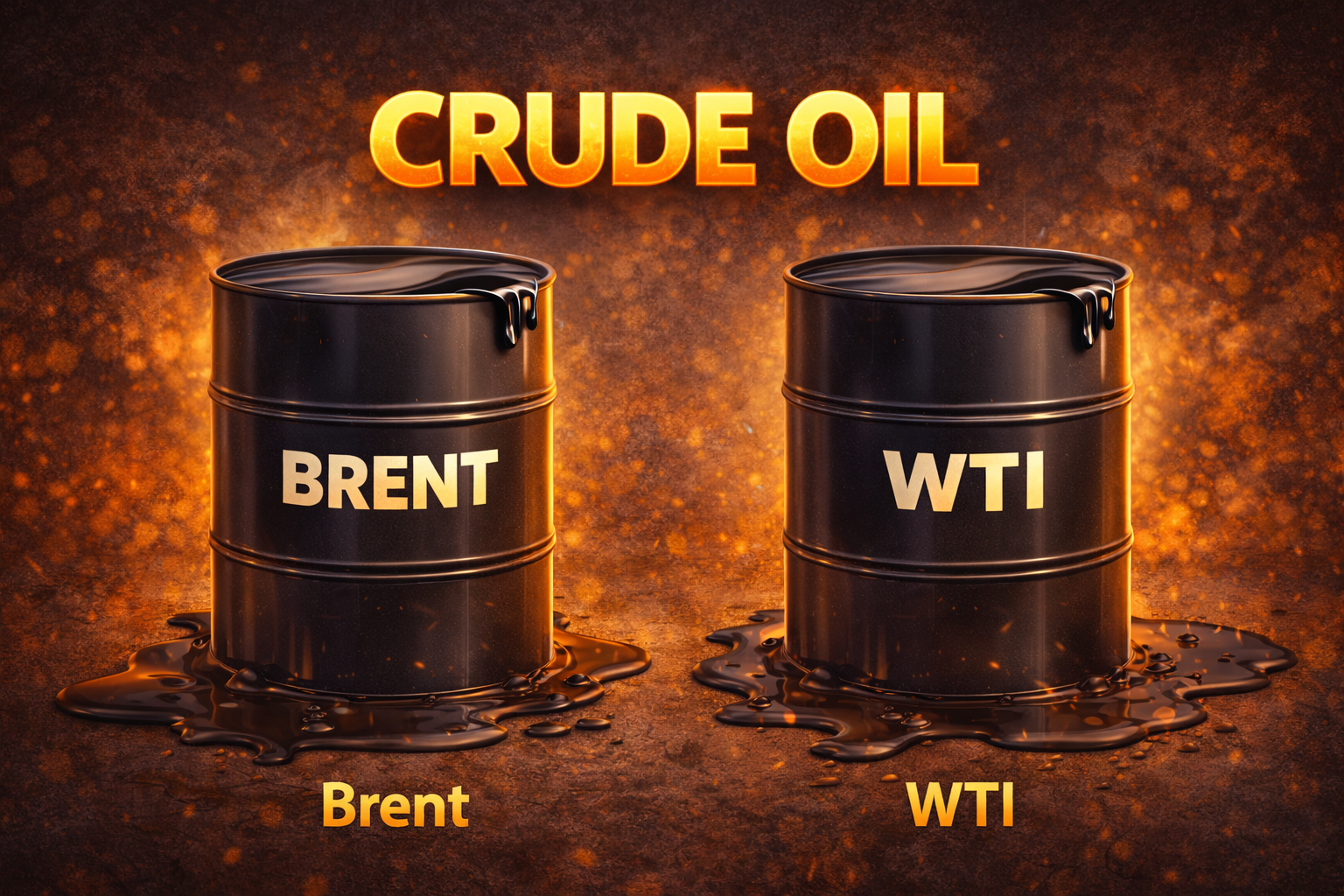
Brent crude closed up 59 cents, or 0.75%, at $79.55 per barrel. West Texas Intermediate gained 74 cents, or 0.97%, to settle at $76.79 per barrel.
Trump said the memorandum of understanding with Iran was not final and left open the possibility of further attacks if he was dissatisfied with Tehran's stance. Previously, the US and Iran stated they had reached an agreement to end the war and reopen the Strait of Hormuz.
Uncertainty also remains in Lebanon. Israeli air and artillery strikes have resumed in several areas of southern Lebanon, while Lebanese security sources said Hezbollah launched two drone attacks on Israeli forces. The memorandum, however, includes a cessation of hostilities between Israel and Iran-backed Hezbollah.
On the short-term supply side, Energy Information Administration data shows US crude oil inventories fell for the 10th consecutive week. Stockpiles fell to their lowest level since 1985 as demand increased and the market adjusted to energy disruptions caused by the Iran war.
However, fundamental pressures have not completely disappeared. The International Energy Agency estimates that the oil market could face a major oversupply by 2027, with global supply rising by 8 million barrels per day while demand only increases by 2 million barrels per day. This prospect makes investors more cautious in chasing price increases.
In the short term, the US-Iran deal could provide room for countries to replenish dwindling inventories or build new strategic reserves. However, industry players believe that restoring production and refining capacity to pre-war levels will likely take a long time, from several weeks to years.
The market's next focus will be on the implementation of the US-Iran deal, security in the Strait of Hormuz, developments in Lebanon, and further oil inventory data. As long as geopolitical risks persist but the prospect of a supply surplus looms, oil prices have the potential to remain volatile.
Source: Newsmaker.id