G7 Limits Critical Mineral Imports to Reduce Dependence on China
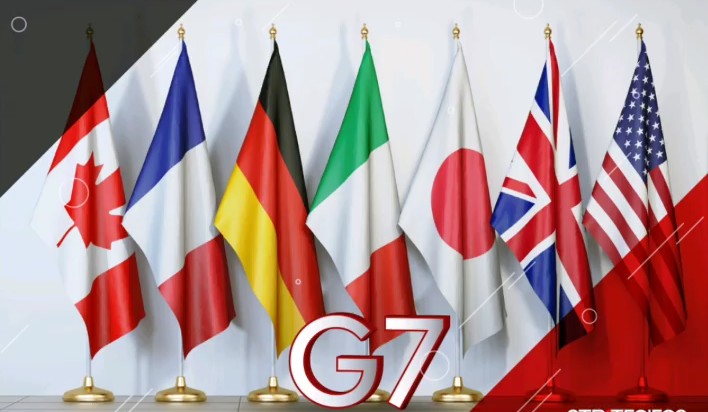
The Group of Seven (G7) nations have reportedly agreed on a new target to limit dependence on critical mineral imports from a single country. Discussed at the Evian Summit in France, G7 leaders targeted no single country supplying more than 60% of its critical mineral imports by 2030.
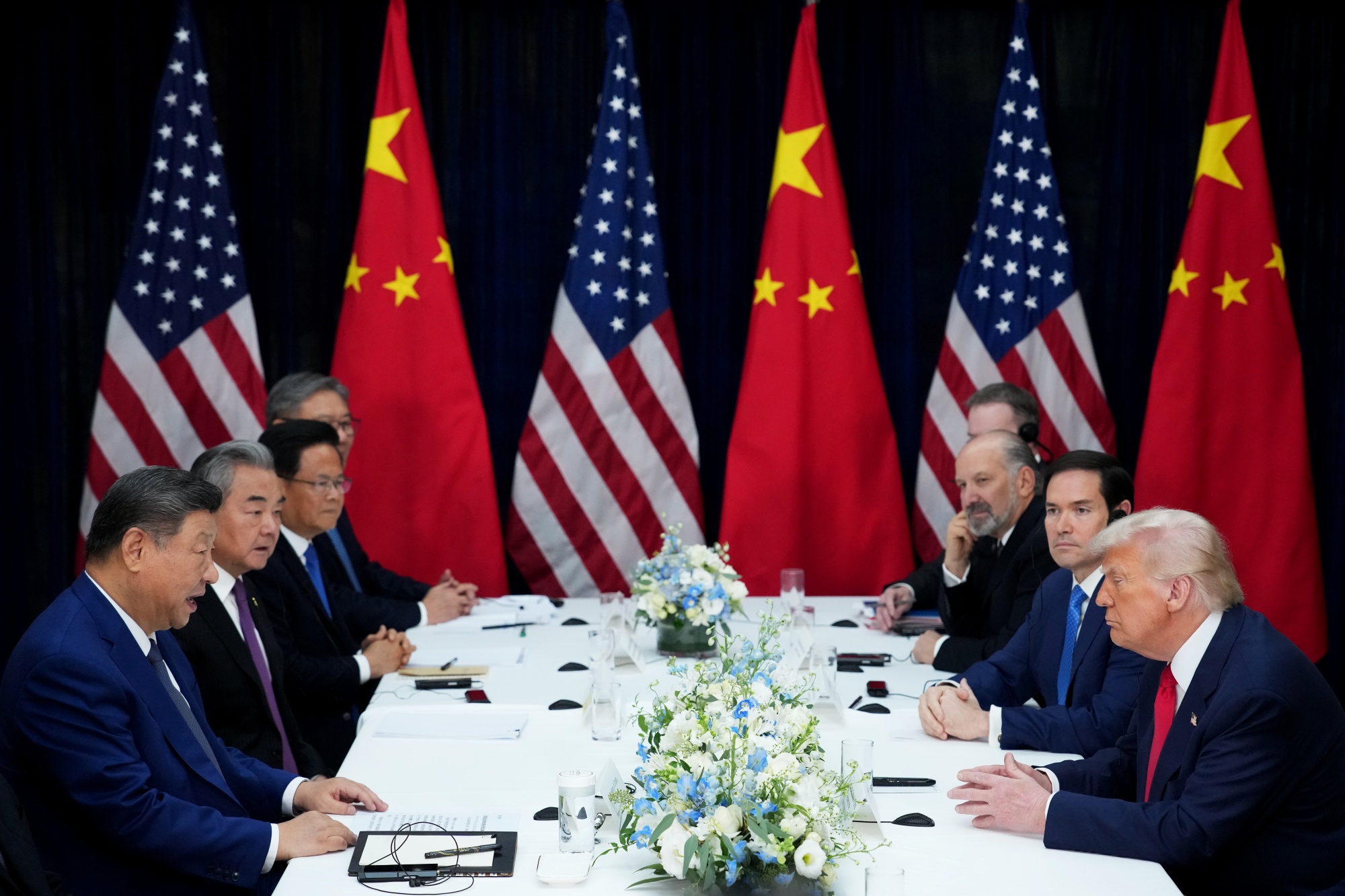
This step is part of a supply chain diversification strategy, particularly as China's dominance in critical minerals and rare earth elements is increasingly viewed as a strategic risk. These minerals are crucial for defense, clean energy, technology, electronics, and advanced manufacturing.
According to sources familiar with the discussions, the G7 plans to introduce binding quotas for companies in several industrial sectors. This policy is believed to be related to the need for defense manufacturers to reduce their dependence on materials from China, particularly those that can be used for civilian and military applications.
The G7 leaders will also reportedly establish a joint platform to strengthen alternative supplies through recycling and new mining projects. This approach demonstrates that diversification does not solely rely on switching suppliers but also requires investment in production capacity, refining, and material recovery.
Supply concerns have grown after China imposed broad export controls on most critical minerals and rare earth elements. This policy underscores Beijing's significant influence in the global supply chain, particularly as China controls a significant portion of the refining process for many critical minerals.
Data from the International Energy Agency (IEA) 2025 shows that China controls approximately 70% of the refining market for most critical minerals. For certain commodities, its dominance is even higher, including 85% of refined cobalt and 99% of primary gallium. This situation means that disruptions to Chinese exports could have a direct impact on global production.
For markets and industry, the G7 policy has the potential to accelerate investment in new mines, refining facilities, and recycling technologies outside of China. However, the impact will not be immediately visible because mining and refining rare earth elements is expensive, time-consuming, and faces complex environmental challenges. (gn)
Source: Newsmaker.id