Oil Steady, Hormuz Remains Locked
Brent and WTI traded steady, tending to weaken in Asian trading (April 29), as market participants awaited the next steps in US-Iran peace talks. June Brent fell 0.5% to US$110.70/barrel at 8:03 a.m. Singapore time, while June WTI fell 0.8% to US$99.09/barrel.
Despite the slight weakening today, oil remains high after the previous rally. Brent rose 2.8% on Tuesday, while WTI held above US$99. US President Donald Trump said Iran has asked the US to lift its naval blockade of the Strait of Hormuz so that shipping can be opened "as soon as possible" as the two sides negotiate an end to hostilities.
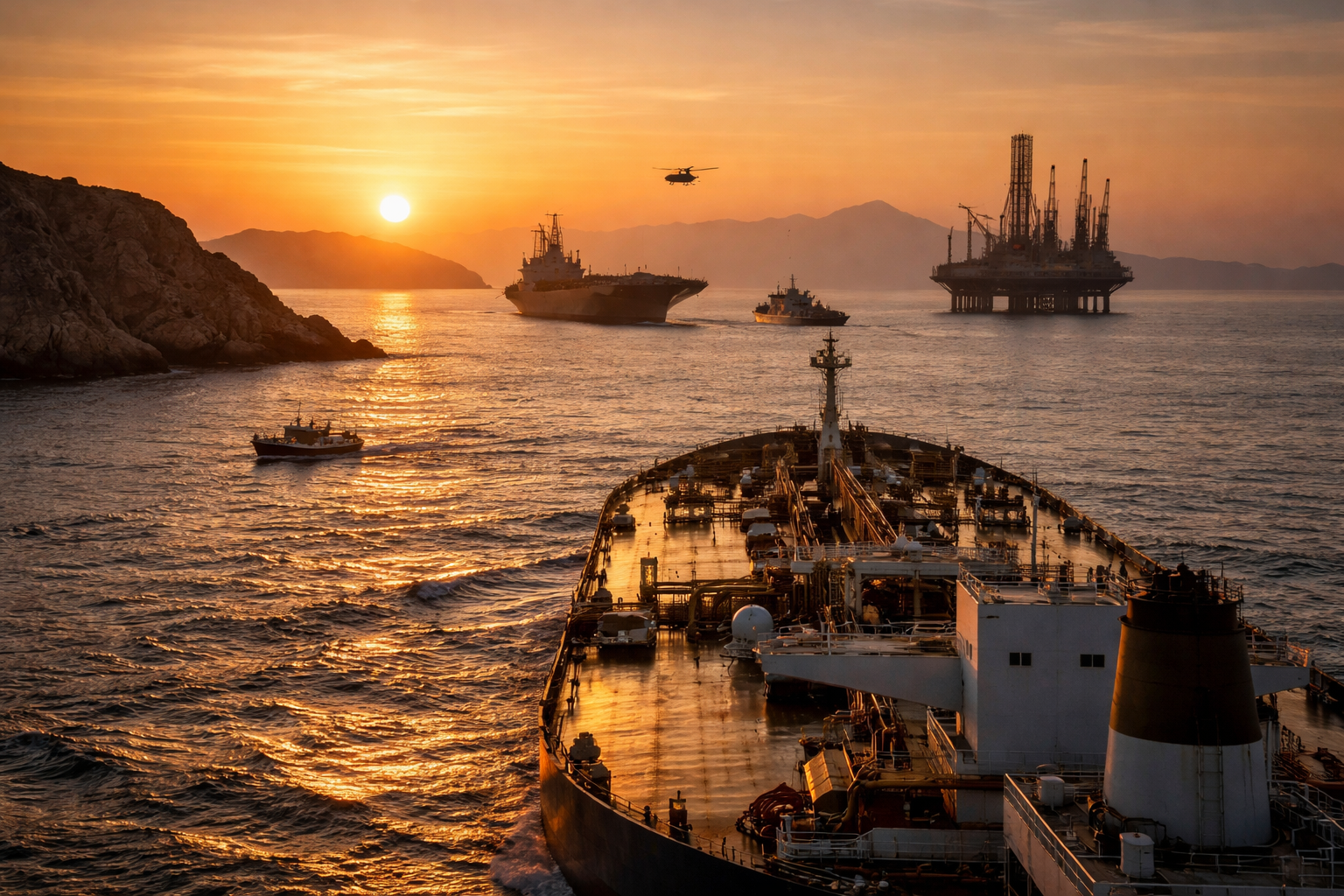
The Strait of Hormuz itself has been nearly impassable since the conflict broke out in late February. The disruption to the flow of crude oil, natural gas, and petroleum products from the region has contributed to rising energy prices and heightened inflation concerns, with the International Energy Agency calling this the largest supply shock in history. The ceasefire has held since early April, but the peace process remains stalled, and the naval blockade is seen as increasing pressure on Tehran.
According to Kpler, Iran is rapidly running out of crude oil storage, which risks accelerating production cuts. Kpler's head of geopolitical risk and policy, Michelle Brouhard, believes the impasse could last for weeks: the impetus for change could come from a global market unable to withstand a supply shortage any longer, or from Iran seeking to resume oil exports.
CNN reports that mediators expect Iran to submit a revised proposal to end the war in the coming days. However, uncertainty remains high as the two sides remain at odds over the terms of the Hormuz reopening and the details of the agreement framework, while physical flows through the oil pipeline remain far from normal.
Beyond diplomacy, the global supply structure is shifting after the United Arab Emirates announced it would withdraw from OPEC and OPEC+ effective next month, citing the need for flexibility in responding to demand amid supply shortages caused by the war. The US is also increasing financial pressure on Iran: OFAC warned financial institutions of the risk of sanctions related to independent Chinese refineries (particularly Shandong) connected to Iranian oil, including sanctions on Hengli last week. Washington also issued firm guidance on sanctions exposure for those paying the toll to pass through Hormuz, as Iran pushes for a legal framework for such a payment system.
5 key points:
- Brent US$110.70 and WTI US$99.09: stable, tending to weaken, but levels remain high.
- Hormuz remains nearly closed; energy flows are disrupted and inflation risks remain prominent.
- Trump says Iran is seeking an end to the blockade; mediators are expecting a revised proposal within days.
- Kpler assesses Iran's lack of storage space, potentially triggering earlier production cuts.
- UAE leaves OPEC/OPEC+ and the US tightens Iran-China sanctions, adding to supply uncertainty and volatility. (asd)*
Source: Newsmaker.id