Schmid: The Fed Must Be Firm Against Inflation, “This Is Not the Time to Let Down Our Guard”
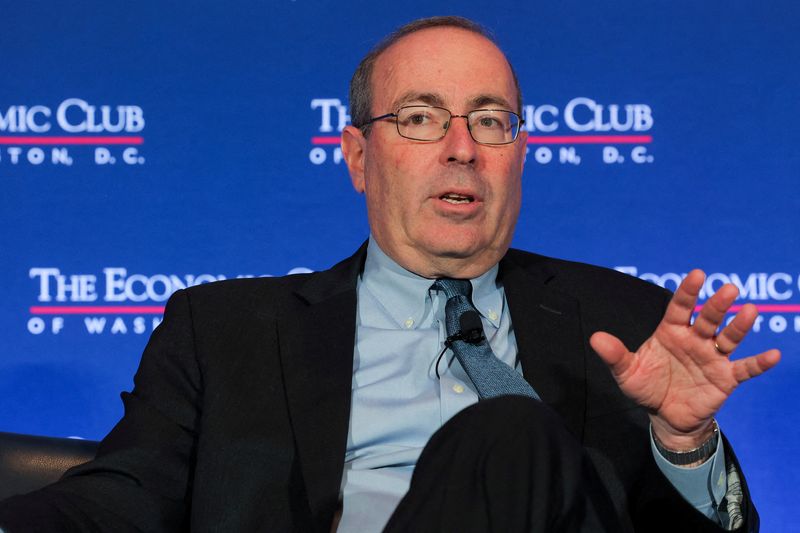
Federal Reserve Bank of Kansas City President Jeff Schmid emphasized that his primary focus remains on high inflation and urged the central bank to demonstrate its readiness to take the necessary steps to achieve price stability. In remarks prepared for a conference in Reykjavik, Iceland, on Friday (May 29), Schmid said inflation has been above the Fed's definition of price stability (2%) for more than five years, making it “this is not the time to let down our guard.”
Schmid's remarks come as Fed officials are returning greater attention to inflation after the US-Israel war with Iran triggered price pressures through rising energy and other goods costs, while also dampening consumer sentiment. Amid accelerating inflation, a growing number of policymakers are pushing for the Fed's communication to shift away from a tapering stance and instead emphasize that the next step is equally likely to be an interest rate hike or a rate cut.
Schmid also believes the US labor market is now in a more balanced state. He attributes this to slowing immigration and accelerated retirements, which have reduced the number of job seekers. “Fewer workers require fewer jobs,” he said, which he argued explains the slowing job growth while the unemployment rate remains relatively low and stable.
Schmid said earlier this month that inflation is the “most pressing” risk to the US economy. That view came under renewed scrutiny after the latest data showed the Fed’s favorite inflation indicator rose 3.8% in the 12 months to April, its highest level since 2023. He reiterated on Friday, “My primary concern is inflation, which is overheating and has been above target for too long.”
For the market, Schmid’s message adds weight to the “higher for longer” narrative: the central bank wants to maintain its anti-inflationary credentials, especially as energy pressures again disrupt the disinflation process. The next variables to watch are whether core inflation remains high, how inflation expectations move, and whether the labor market remains sufficiently “balanced” to allow room for policy to remain tight for longer. (Arl)
Source: Newsmaker.id