US Tightens Restrictions on Chip Raw Material Imports; Tensions with China Rise
President Donald Trump's administration reportedly plans to impose a 15% tariff on polysilicon derivative products. This policy is expected to be announced alongside the results of a Section 232 investigation into the impact of polysilicon imports on US national security—findings that could be released as early as Thursday.
Polysilicon is a crucial raw material for the production of solar panels and semiconductors. The US government contends that China's market dominance, substantial subsidies, and production overcapacity have depressed global prices, making it difficult for American producers to compete. Washington is also considering implementing a minimum import price to protect domestic polysilicon plants.
The policy could benefit US-based polysilicon and solar panel manufacturers, such as Hemlock Semiconductor and Wacker Chemie. Shares of several US-listed solar energy companies rallied following reports of the planned tariffs and minimum pricing. However, raw material costs for solar project developers and semiconductor manufacturers could also rise.
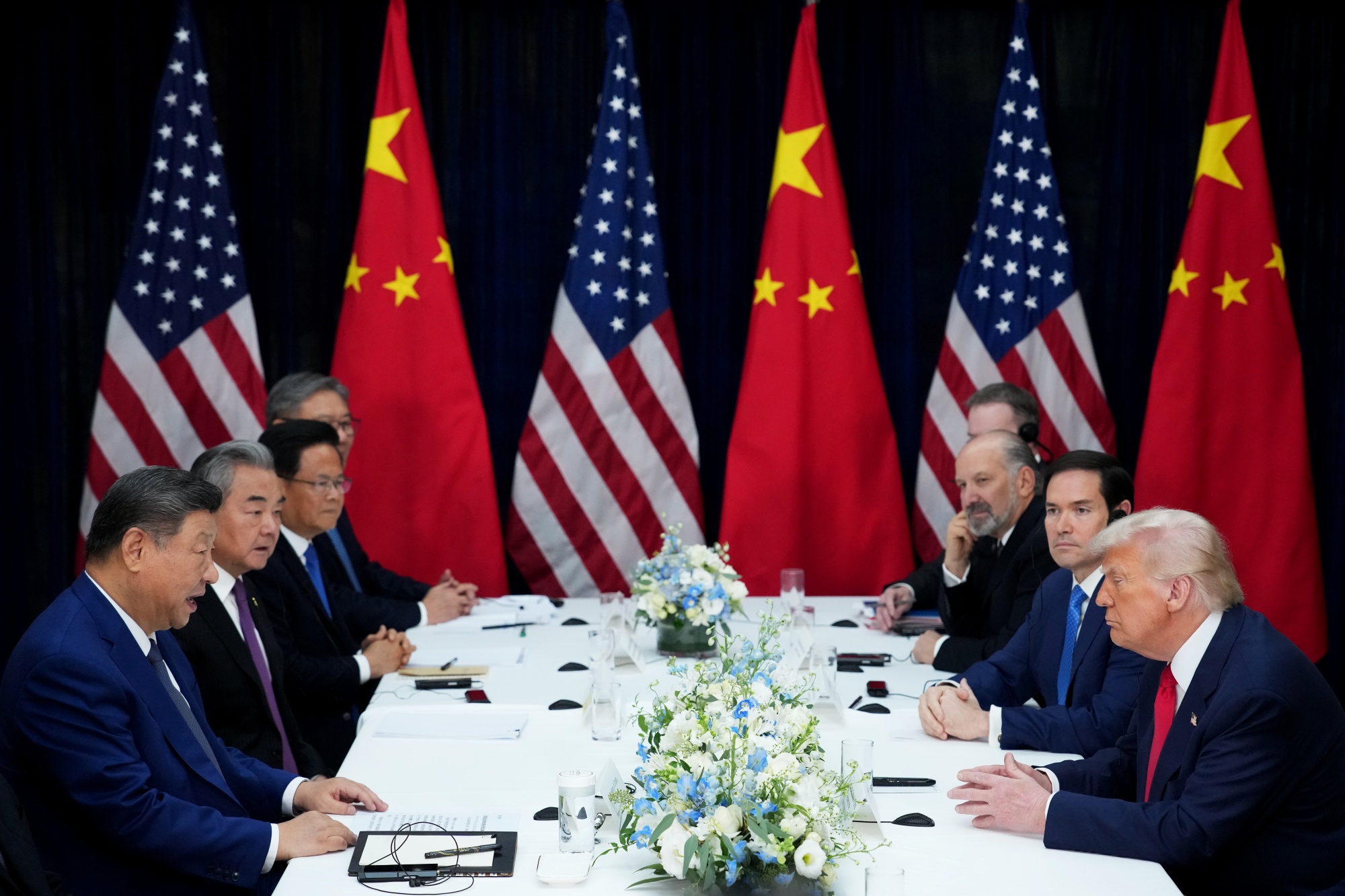
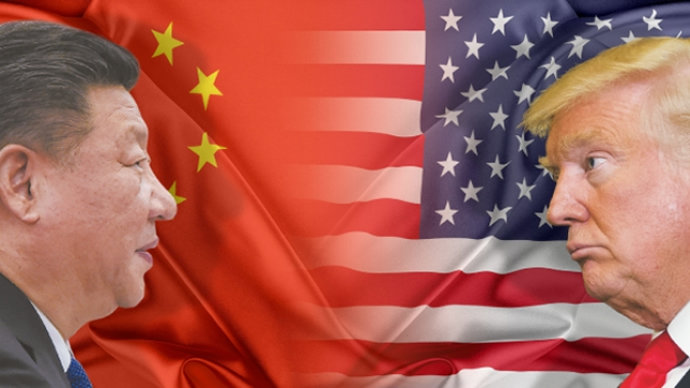
China has rejected the investigation and urged the US to halt the use of Section 232 tariffs, maintaining that trade issues should be resolved through dialogue. Should China retaliate with export restrictions or new tariffs, trade tensions could spread to the clean energy, semiconductor, electric vehicle, and artificial intelligence sectors.
Market Impact:
US solar energy stocks: Domestic producers could see a positive impact, as tariffs might alleviate pressure from low-cost imports. However, companies reliant on foreign raw materials could face rising costs.
Semiconductor stocks: The impact is likely to be mixed. While protecting the US supply chain could serve as a long-term positive, rising polysilicon prices risk increasing production costs.
US Dollar: The initial impact is likely to be limited, as the tariffs target specific sectors. The dollar could strengthen if the market views the tariffs as a driver of inflation and higher interest rates, but it could come under pressure if a trade war disrupts US economic growth. Gold: US-China trade tensions could support gold as a safe-haven asset. However, if tariff policies drive up bond yields and the dollar, gold's rally could be capped. (CP)