Israel-Hezbollah Ceasefire Eases Regional Risks
Israel and Hezbollah agreed to a ceasefire that took effect at 4:00 p.m. local time Friday, according to a senior U.S. official. The agreement was reached through U.S. and Qatari negotiators, with Iranian assistance, after an escalation of violence in southern Lebanon threatened the stability of the interim U.S.-Iran agreement.
Two Hezbollah sources also confirmed the group had implemented the ceasefire after receiving notification. This is a significant development, as the cessation of hostilities in Lebanon is part of a broader agreement to de-escalate conflicts across the region.
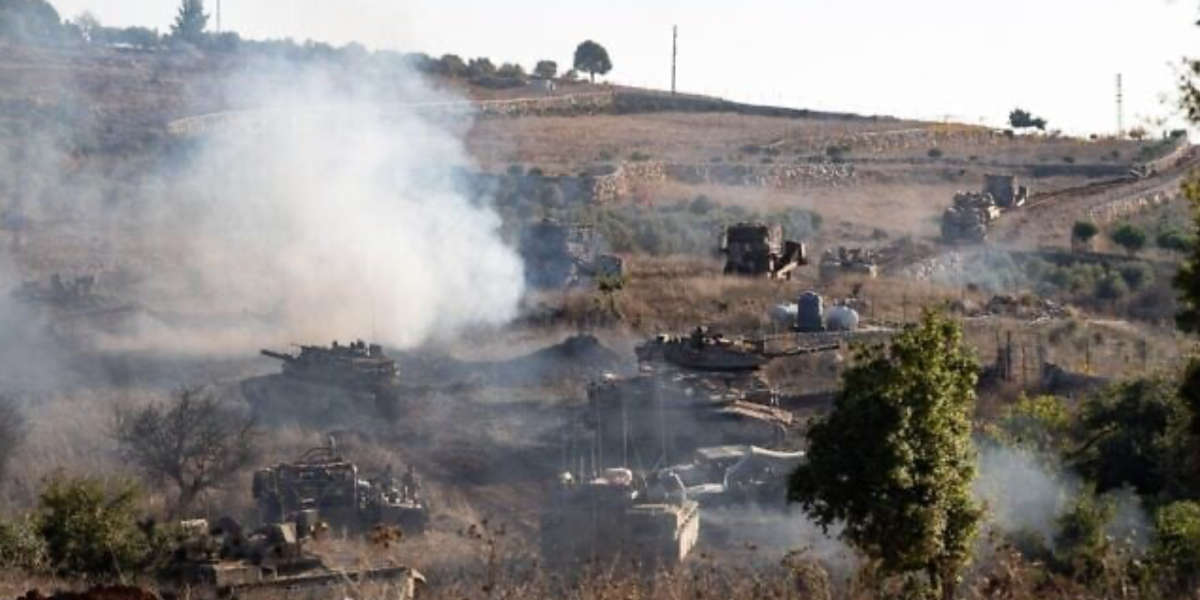
Earlier, fighting between Israel and Hezbollah escalated sharply. Reuters reported that Israeli strikes killed at least 18 people in Lebanon, while four Israeli soldiers were killed in one of Hezbollah's deadliest attacks so far. The escalation raised concerns that the U.S.-Iran diplomatic process could be further delayed.
Israeli Prime Minister Benjamin Netanyahu had previously vowed to exact a heavy price from Hezbollah following the deaths of four Israeli soldiers. Right-wing Israeli ministers Itamar Ben-Gvir and Bezalel Smotrich also called for a strong response, drawing condemnation from Tehran and raising the risk of political rhetoric turning into renewed military pressure.
Iran views a cessation of hostilities in Lebanon as an integral part of the US-Iran memorandum of understanding. Iranian Foreign Minister Abbas Araghchi accused Israel of seeking a permanent war, while the Iranian Foreign Ministry warned of the consequences of any escalation for regional security.
For the market, the ceasefire is crucial because Lebanon's stability is directly linked to the chances of the US-Iran deal being continued, the restoration of energy flows in the Strait of Hormuz, and geopolitical risk premiums. If the ceasefire holds, pressure on oil prices could ease as the market assesses the risk of supply disruptions as diminishing.
However, sentiment remains fragile. US-Iran talks in Switzerland were previously canceled after renewed violence in Lebanon, so the market will need to monitor whether the ceasefire can reopen the path to permanent negotiations.
The focus will now be on Israel and Hezbollah's compliance on the ground, Iran's response, the continuation of US-Iran talks, and the flow of ships through the Strait of Hormuz. As long as the ceasefire holds, geopolitical risks may decrease, but failure to implement them could potentially re-inflate volatility in oil and safe-haven assets. (Newsmaker.id)
Source: Newsmaker.id