Iran Prepares Hormuz Permit Rules, Toll Risks a Concern
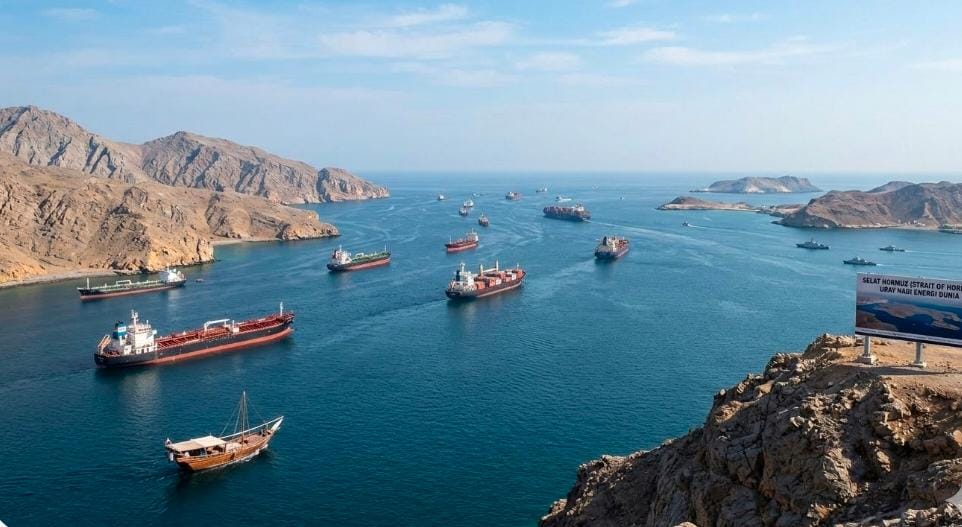
Iran stated that ships passing through the Strait of Hormuz must obtain permits from its authorities, in a document that paves the way for mandatory insurance arrangements and possible future transit fees. The move adds uncertainty for shippers and energy producers as shipping through the vital waterway gradually resumes.
The Persian Gulf Strait Authority document requires ships passing through Hormuz to have insurance policies. Currently, this insurance is provided free of charge, with the Islamic Republic of Iran covering the cost. However, the authority stated it reserves the right to introduce insurance fees in the future, which would then have to be purchased and renewed by ship owners.
The rule is a concern because the US-Iran memorandum of understanding only guarantees free transit for 60 days. After that period, markets have begun to question whether Tehran will attempt to impose tolls or other fees on ships passing through one of the world's most vital energy arteries.
The Iranian document also requires ships to follow a predetermined route. This instruction appears to differ from guidance from Western naval groups on Thursday night, which advised ships to navigate the coast of Oman. These differing directions could complicate coordination for shipping safety in the Strait of Hormuz.
The shipping industry is still seeking clarity on how the strait will be managed after Iran agreed to an interim deal to return traffic to pre-war levels within 30 days. Transits briefly surged on Thursday, but visible vessel movements slowed sharply on Friday.
The PGSA, established by Iran during the war and sanctioned by the US, has also rejected the institution's legitimacy. For energy markets, the primary risk is not only the reopening of Hormuz but also the uncertainty surrounding the rules, costs, and authorities governing the passage.
The market's next focus will be on the response of shipowners, Gulf producers, and Western countries to Iran's permitting regulations. If uncertainty about costs and routes persists, the restoration of energy flows through Hormuz could be slower, even if the interim agreement remains in place. (gn)
Source: Newsmaker.id