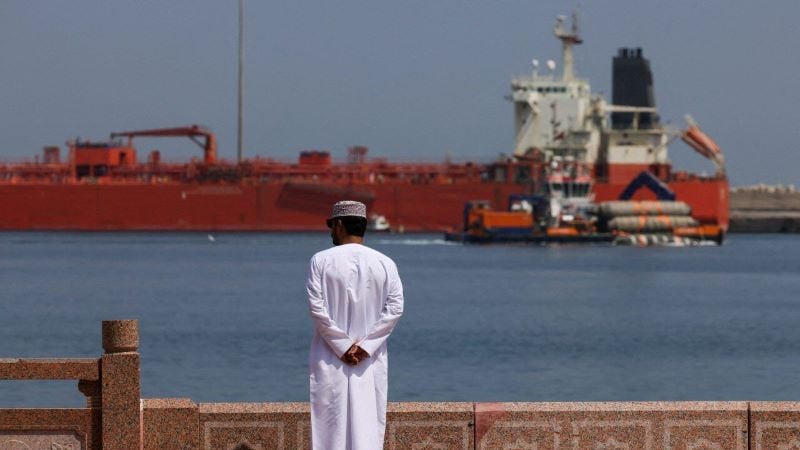
Gulf Producers Find New Way to Pass Through Strait of Hormuz
Non-Iranian oil flows through the Strait of Hormuz have surged by about 50% so far this month. The increase comes as more Persian Gulf oil producers find ways to continue passing through the vital waterway, despite ongoing tensions between Washington and Tehran.
According to Vortexa Ltd. data, at least 1.8 million barrels of oil per day passed through the Persian Gulf in the first 10 days of June. This figure is up from about 1.2 million barrels per day in May and could be revised higher as more tankers are monitored through satellite imagery.
Meanwhile, Iranian oil shipments through the waterway have actually fallen sharply. A US-imposed blockade continues to hinder the movement of Iranian tankers. Vortexa data shows no Iranian oil passing through the corridor during the same period.
The Strait of Hormuz has become a major focus of market attention since the conflict escalated in late February, following US and Israeli attacks on Iran. Iran had initially tightened control over the waterway, but that control has weakened with the increase in clandestine transits, namely ships sailing without AIS signals. Despite this, current oil flows remain far below pre-war levels, which reached around 20 million barrels of crude oil and refined products per day.
The market is beginning to adjust to these new conditions. When Iranian authorities re-declared the Strait of Hormuz closed, Brent prices experienced limited fluctuations, unlike the sharp price spikes that occurred at the start of the war. However, market participants remain vigilant about whether oil vessels can continue to exit the Gulf region, especially after the US increased pressure on vessels suspected of attempting to enter Iranian ports. (asd)*
Source: Newsmaker.id