Trump Cancels Pakistan Visit, US-Iran Negotiations Stall Again
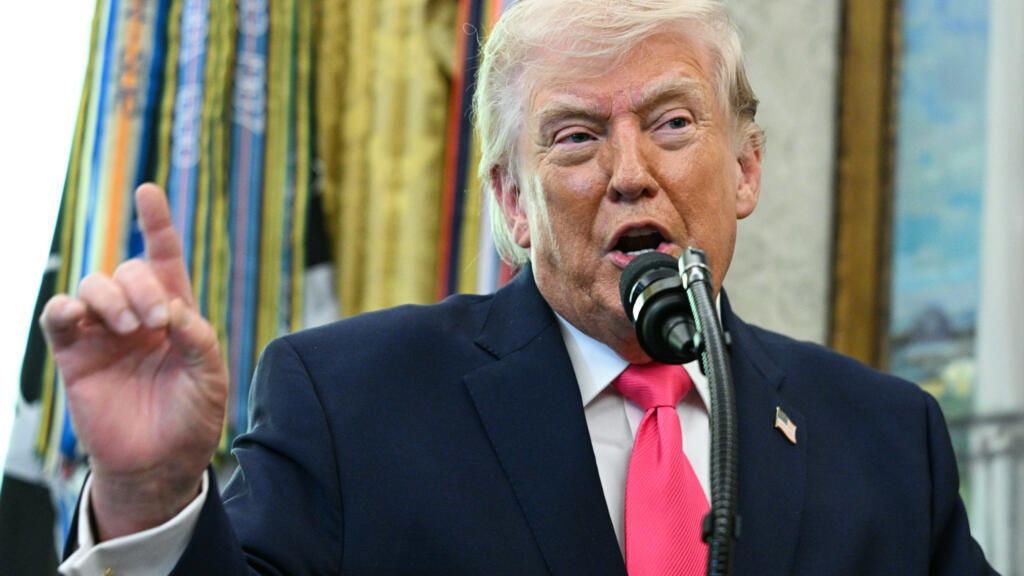
Geopolitical tensions have escalated after President Donald Trump canceled a visit by a United States delegation to Pakistan, a move that underscored the stalled efforts to continue negotiations between the US and Iran, which had been expected to open up space for de-escalation.
The US delegation, which was originally scheduled to hold follow-up meetings in Islamabad, including special envoys and high-ranking officials, reportedly canceled after Iran showed no readiness to resume direct dialogue. At the same time, Iran's Foreign Minister reportedly left Pakistan without an agreement, further deepening the diplomatic deadlock.
This situation highlights the still-widening gap, particularly regarding Iran's nuclear program and demands for sanctions relief. From Washington's perspective, the postponement of the meeting reflects the assessment that the US position remains stronger, thus opting not to continue talks without a clear outcome.
The stalled negotiations have also increased global uncertainty amid the sensitivity of the Strait of Hormuz, a vital artery for global energy distribution. The absence of diplomatic progress keeps the risk of energy supply chain disruptions a key concern for market participants.
Within the framework of market transmission, rising geopolitical risks tend to drive a shift to risk-off mode, which typically increases demand for safe-haven assets while simultaneously raising the risk premium on riskier assets. The energy channel is key, as any escalating risks in Hormuz could impact inflation expectations and policy projections.
In terms of market implications, gold has the potential to remain supported as a hedge against uncertainty, while oil prices are likely to remain strong amid supply concerns. The US dollar also has the potential to strengthen amid demand for safe-haven assets, while global stock markets are at risk of pressure due to increased uncertainty and volatility. (gn)
Source: Newsmaker.id