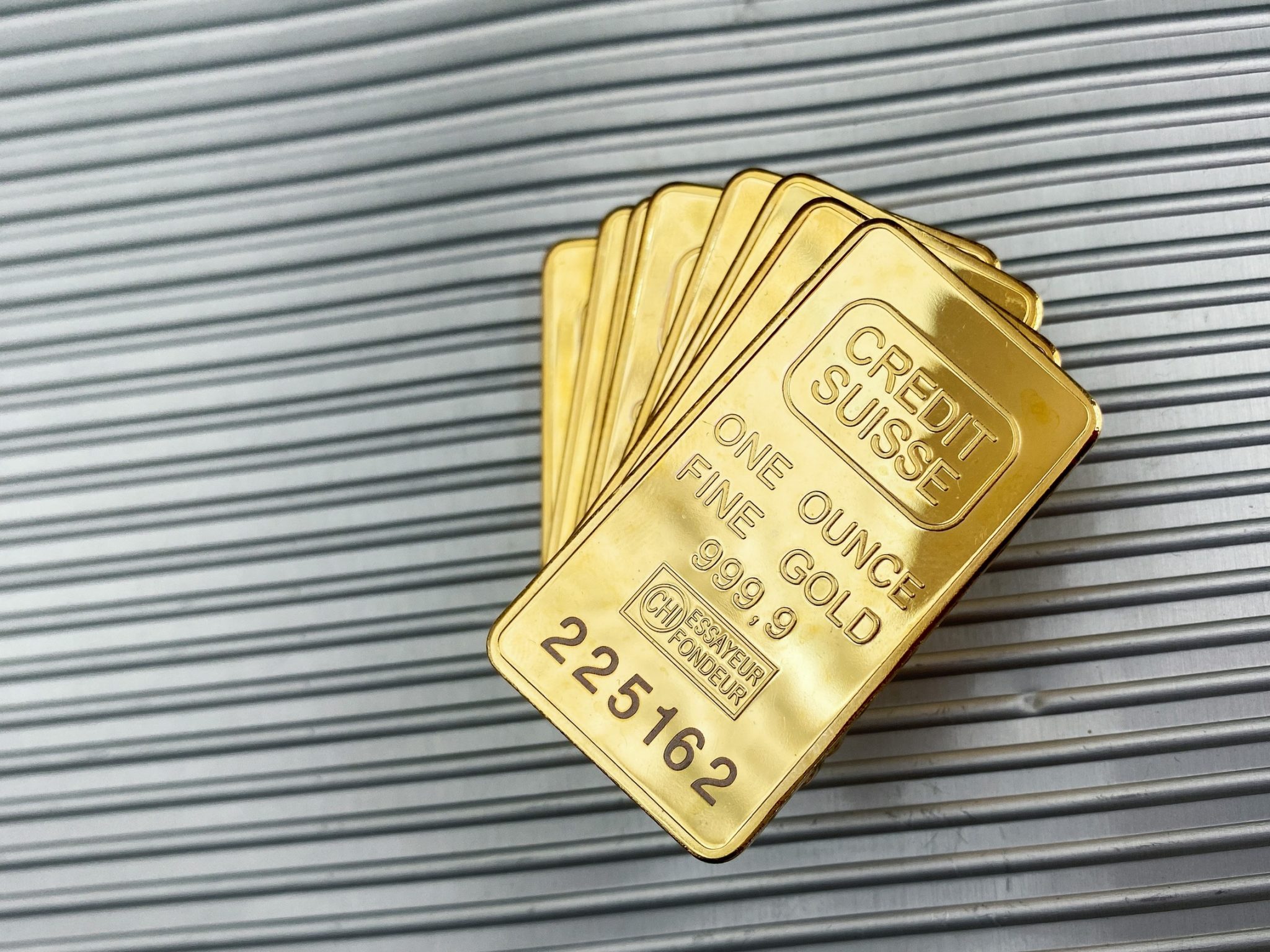
Gold Breaks $4,700, Stalled US-Iran Talks Put Pressure on Bullion!
Gold prices fell below $4,700 per ounce on Monday, continuing last week's decline after efforts to revive US-Iran peace negotiations stalled. The market is also still clouded by the effectively closed Strait of Hormuz, which keeps energy supply risks and inflationary pressures high.
Diplomatic pressure intensified after US President Donald Trump canceled a senior envoy's planned trip to resume talks with Iran in Islamabad. Tehran reiterated its refusal to negotiate while under threat or blockade, leaving communication channels fragile and highly dependent on headlines.
Meanwhile, oil prices strengthened as the Middle East conflict entered its ninth week. The rally reinforced market concerns about prolonged energy supply disruptions, which the IEA called the largest energy supply shock ever recorded, and increased market sensitivity to inflation risks.
Rising energy prices reinforced expectations that central banks would keep interest rates higher for longer, or even tighten again if price pressures escalated. This tight interest rate environment is a drag on non-yielding gold, resulting in a weakening of gold, even though geopolitical uncertainty typically supports hedging demand.
In the United States, the Federal Reserve is also expected to act cautiously as it assesses the impact of the conflict on inflation and growth. Market narratives suggest that interest rate cuts—if any—will be gradual under new Fed Chair Kevin Warsh, so gold remains sensitive to changes in interest rate expectations and the direction of the dollar.
Looking ahead, as long as talks remain unresolved and energy supply risks remain unabated, oil is likely to remain volatile, with a bias supported by risk premiums. For gold, support from risk-off could emerge at any time, but gains are likely to be restrained if energy inflation drives interest rate expectations to remain tight and the dollar remains strong as a safe haven. The market will continue to be headline-driven, so even small changes in diplomatic signals or shipping conditions could trigger sharp movements across assets. (asd)*
Source: Newsmaker.id