Trump Extends Iran Ceasefire, Hormuz Remains Nearly Closed
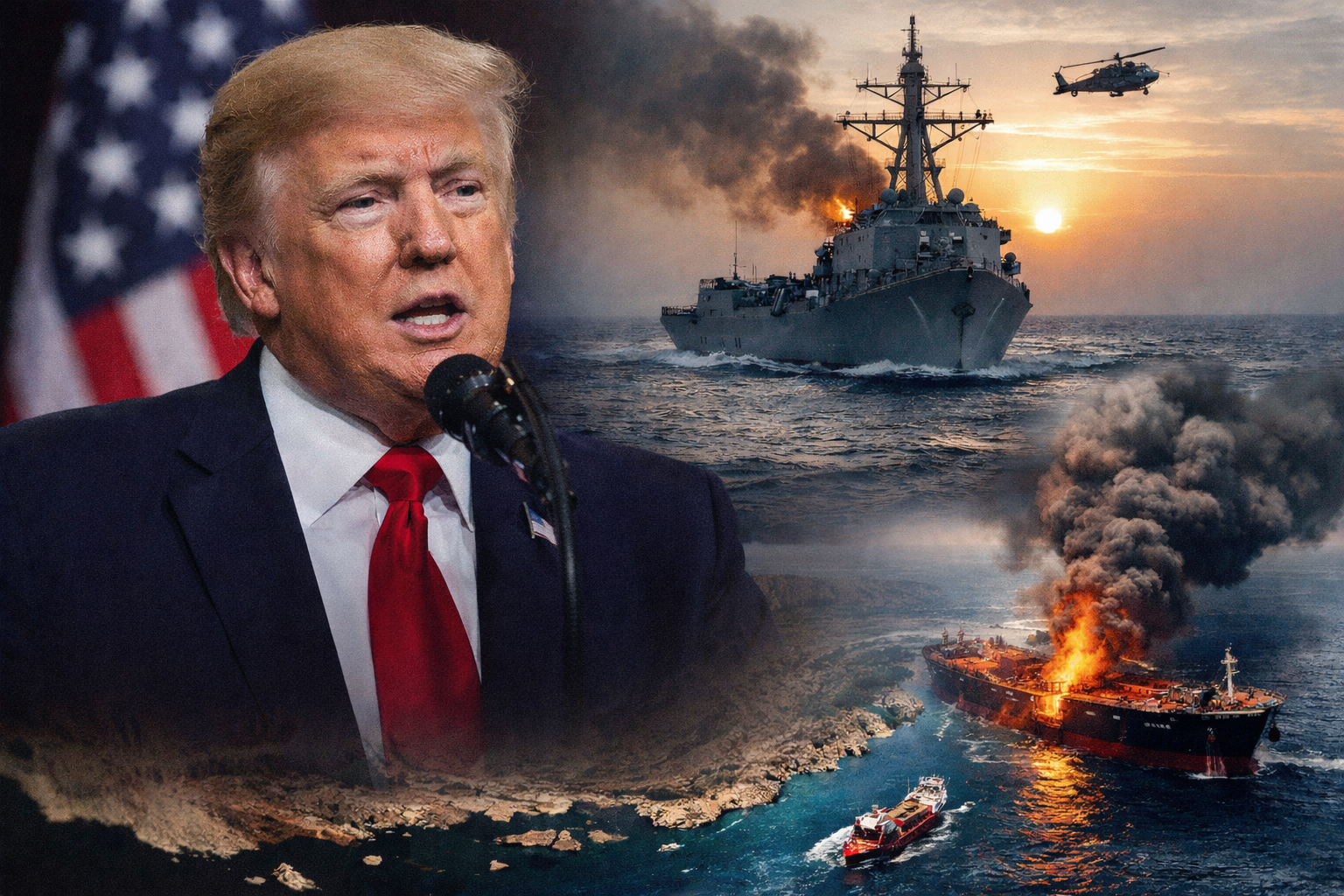
US President Donald Trump extended the ceasefire with Iran indefinitely, citing stalled peace talks. Trump backed off threats to resume fighting, but the situation in the Strait of Hormuz remains fragile, with the waterway still nearly closed to oil and gas shipments.
In a post on Truth Social on Tuesday night, Trump said the ceasefire—which began more than two weeks ago—will be extended until Iran submits a new proposal “and the discussions are concluded, one way or another.” He also named Pakistan as a key mediator, urging the US to refrain from further attacks, a claim Tehran denies.
Extending the ceasefire reduces the risk of a resumption of US-Israel and Iran wars in the near future, but offers no assurances about restoring energy flows. There is no sign the Strait of Hormuz will reopen soon, while long-standing issues such as Iran’s nuclear and missile programs and support for militant groups are said to be far from resolved.
Trump blamed divisions among the Islamic Republic's leaders for the need to extend the ceasefire, while maintaining a naval blockade on shipping to and from Iranian ports. Iran has insisted it will not reopen Hormuz—effectively closed since the start of the war in late February—or restart peace talks until the US naval operation ends.
On Wednesday morning, Iran's UN envoy said his country had "received some signs" that the US was ready to lift the blockade, without providing details. Amir-Saeid Iravani, quoted by Tasnim, stated that the next round of negotiations could potentially take place in Islamabad once the blockade is "successfully broken," positioning Hormuz as a key showcase for a return to the negotiating table.
On the ground, the dynamics of the blockade suggest an unfinished tug-of-war. The US Navy fired on and seized an Iranian cargo ship in the Gulf of Oman on Sunday, but at least two fully laden Iranian tankers reportedly sailed out of the Persian Gulf and bypassed the blockade this week—suggesting the limitations of export-restriction efforts. Vortexa data also reportedly shows at least 34 vessels linked to Iran, reinforcing market focus on whether the "indefinite ceasefire" will be followed by a easing of operations in Hormuz, which will determine energy risk premiums and the stability of global sentiment. (gn)
Source: Newsmaker.id