Trump Pressures Canada: Certification Revoked, 50% Tariffs Ready
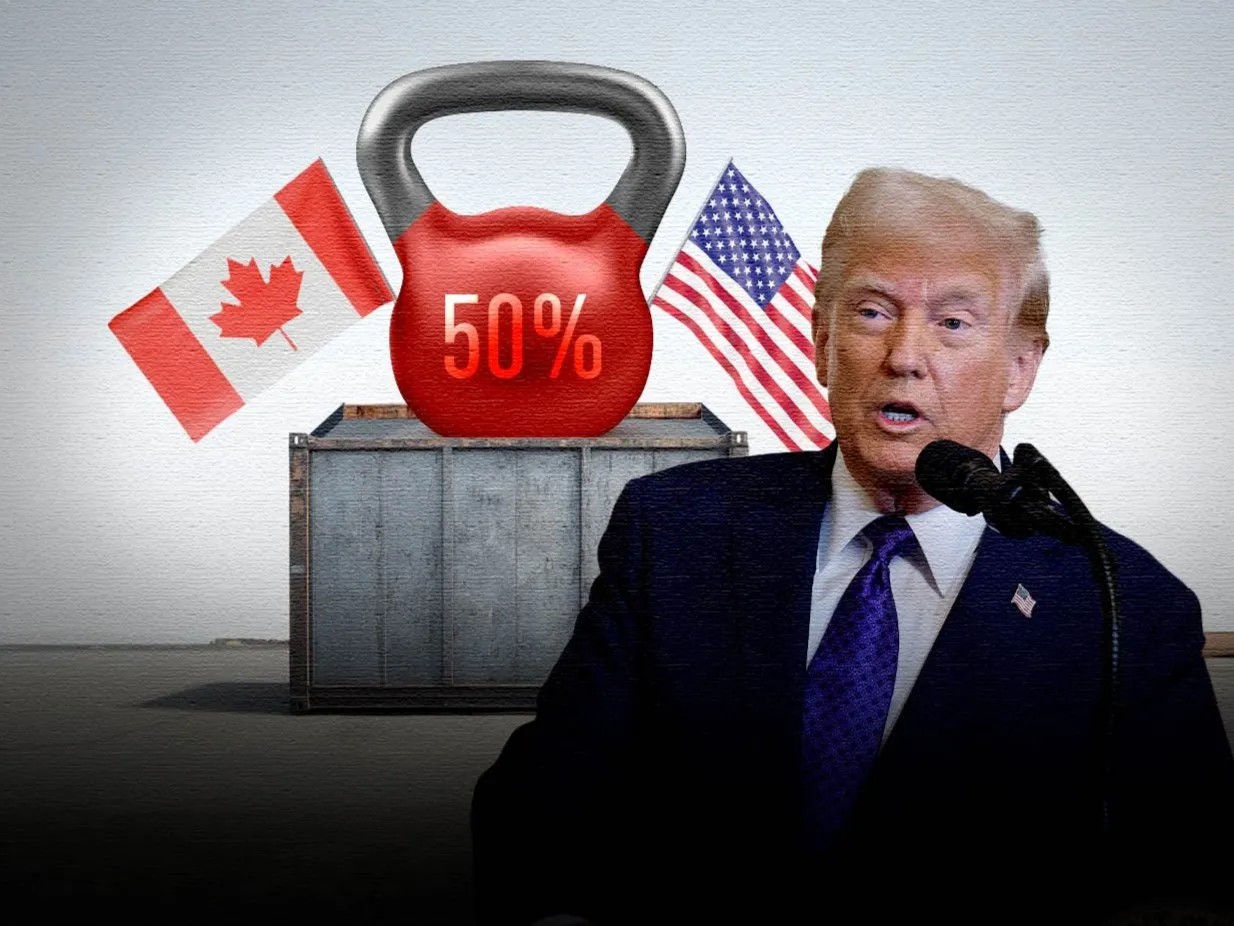
President Donald Trump has again escalated trade tensions with Canada. In a post on Truth Social on Thursday night, Trump claimed he would “decertify” all Canadian-made aircraft—and threatened a 50% tariff on any Canadian aircraft sold to the United States.
Trump accused Canada of “wrongly, illegally, and stubbornly” refusing to certify Gulfstream Aerospace jets, thus “blocking” sales of American business jets in Canada. In retaliation, Trump said he would revoke the certification of the Bombardier Global Express and extend it to all Canadian-made aircraft until Gulfstream is “fully certified.”
However, the details of how this will be implemented remain unclear. Aircraft certification is a safety process typically under the purview of the Federal Aviation Administration—and it is unclear how Trump will restrict these aircraft outside of existing regulatory mechanisms. Trump has nominated Bryan Bedford to head the FAA, but has not yet provided a detailed explanation of the steps he will take.
Bombardier responded cautiously: they said they were “mindful” of Trump’s post and were coordinating with the Canadian government. The company also emphasized its footprint in the US—employing more than 3,000 people across nine major facilities and supported by thousands of suppliers—while noting that thousands of Canadian-made jets fly in the US every day. They hope the issue is resolved quickly to avoid impacting air traffic and passengers.
Unions have also warned. The International Association of Machinists and Aerospace Workers believes the politically motivated threat of revocation of certification could destabilize the industry and threaten thousands of jobs on both sides of the border. IAM Canada vice president David Chartrand emphasized that certification should remain independent, safety-based—not a tool of political leverage.
Cirium data shows the scale of the risk is significant: nearly 2,700 Canadian-made Bombardier aircraft are registered in the US, including the approximately 150 Global Express aircraft that Trump specifically mentioned. Another Canadian-made aircraft implicated is the Airbus A220 family—used by Delta Air Lines, JetBlue, and Breeze Airways. Meanwhile, Bombardier regional jets like the CRJ900 and CRJ700 are widely operated by regional airlines—including SkyWest Airlines and Endeavor Air.
Industry players warn that the domino effect on US air travel could be serious if "all Canadian-made jets are covered." Richard Aboulafia of AeroDynamic Advisory even called the scenario a "transportation disaster" if the operation of these aircraft is disrupted—as regional flight networks rely heavily on this type of fleet, including those used by American Airlines (through regional operators) and Delta.
On the other hand, Canada has actually approved several Gulfstream jets for operation in the country through Transport Canada, while newer models like the G700 and G800 are said to have already received FAA certification (according to the companies). However, this conflict arises amidst the already tense relationship between Trump and Canadian Prime Minister Mark Carney—evident from the exchange of insults at the World Economic Forum in Davos, to the Financial Times report about US meetings with separatist groups. British Columbia's provincial government, through David Eby, called the attempt to seek foreign government assistance in dividing Canada "treasonous," while the U.S. Department of State stated that it regularly meets with various civil society groups and has made no commitments.
Source: Newsmaker.id