Economic War Begins; Iran Counters US Threats
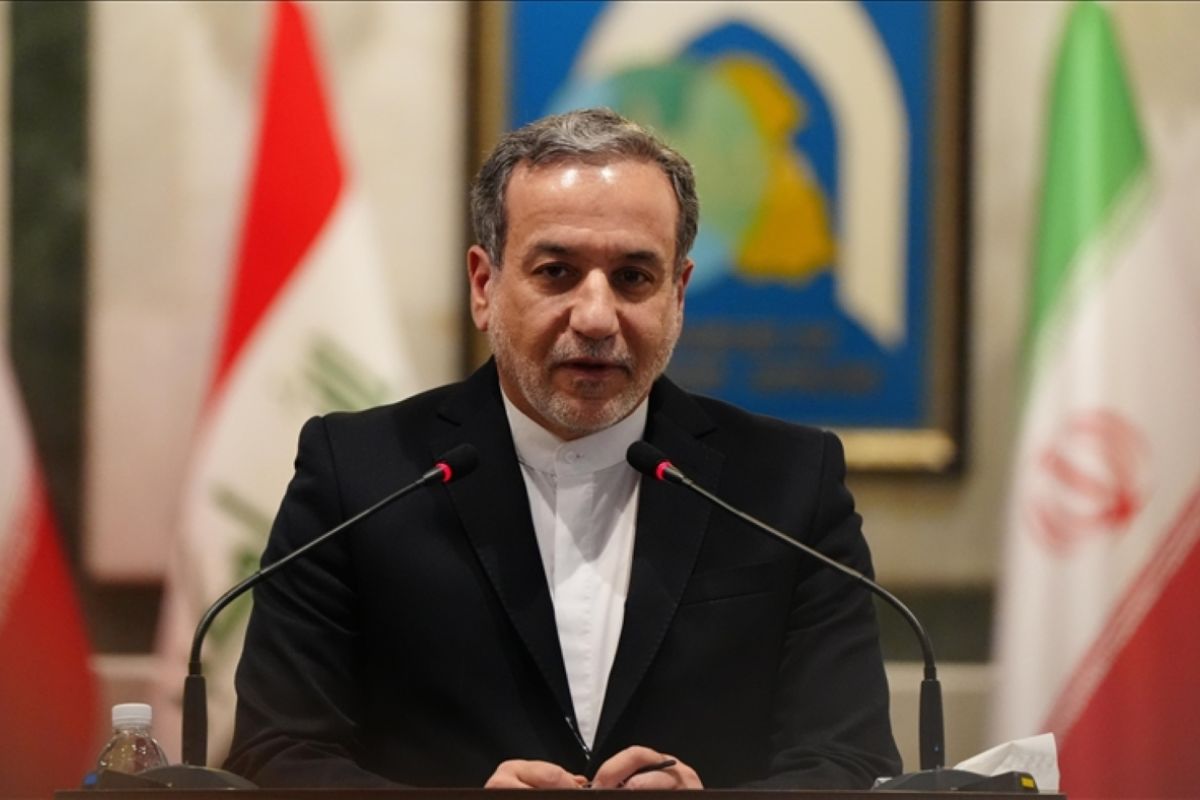
Iranian Foreign Minister Abbas Araghchi has dismissed the latest threats from US President Donald Trump regarding plans to tighten sanctions on Tehran. Araghchi believes Washington is attempting to divert attention from domestic US issues, such as high government debt and the rising burden of interest payments.
This statement follows Trump's announcement of plans to launch a much harsher economic pressure campaign against Iran. Trump also warned that countries and companies continuing to do business with Tehran could face severe economic consequences, although specific details of the new policy have not yet been released.
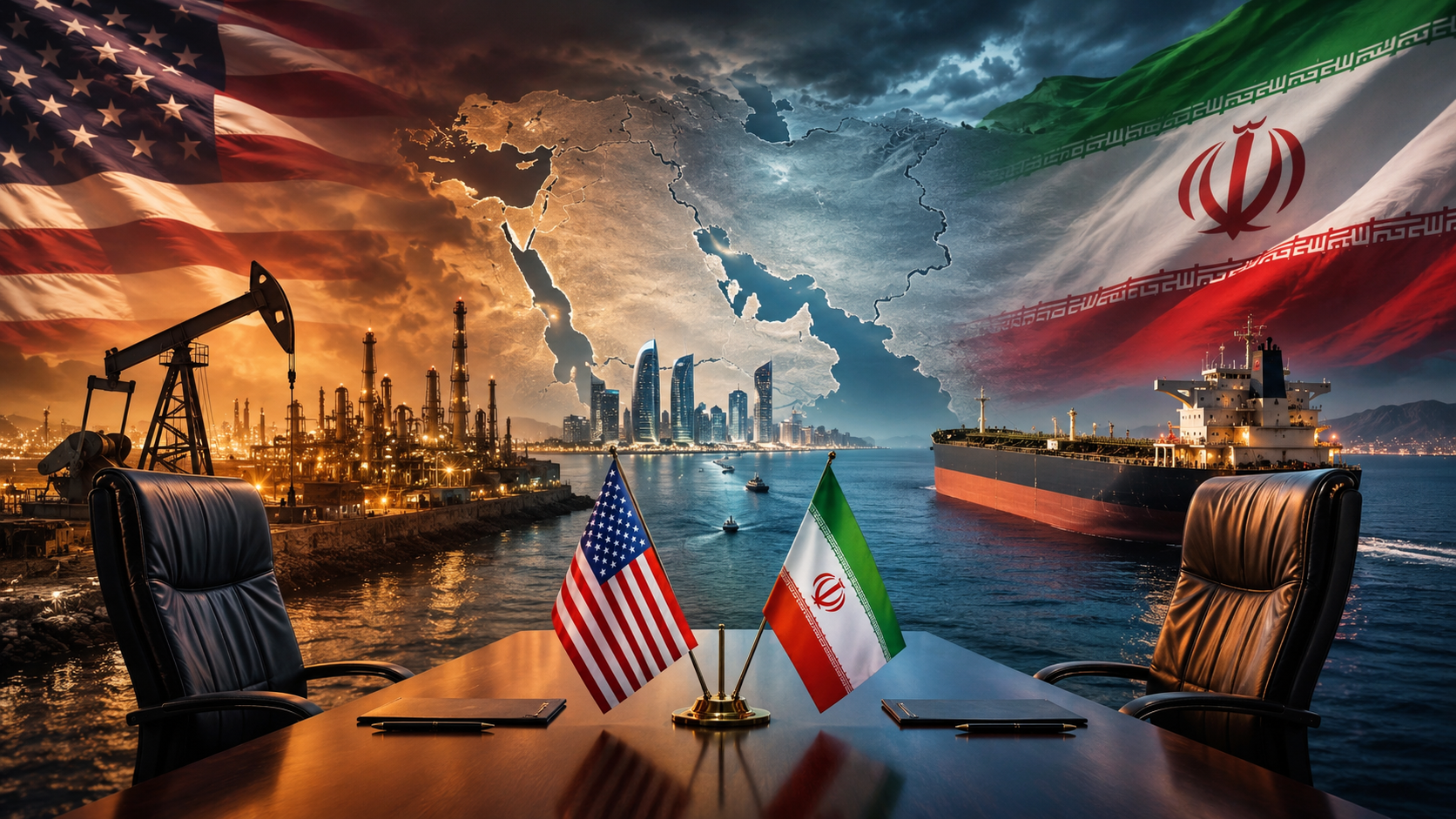
Trump described the move as a large-scale operation of "economic warfare and isolation" and called on US allies to join in pressuring Iran. Washington reiterated its stance that Iran must not possess nuclear weapons, while Tehran is already facing strict sanctions on oil exports and restrictions at various ports.
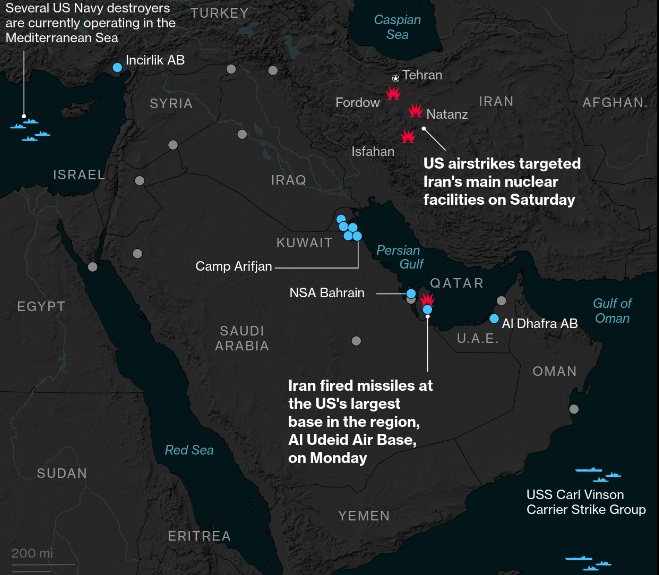
Meanwhile, the standoff over the Strait of Hormuz shows no signs of easing. Iran insists the strategic waterway will remain closed until the US fulfills the terms of an interim agreement signed in June. That agreement expired earlier this week with no indication that either side is prepared to extend it.
Media reports also indicate that the Trump administration is considering a long-term strategy that prioritizes economic pressure over direct military action. At the same time, shipping data shows that tanker traffic through Hormuz remains severely limited, despite US assertions that the route is open.
Newsmaker Analysis: The escalating war of words and threats of new sanctions indicate that the US-Iran conflict is increasingly shifting toward economic pressure; however, geopolitical risks remain high due to the unresolved Hormuz issue. This situation could sustain the risk premium on oil prices, particularly given that approximately one-fifth of global oil and LNG trade passed through the strait prior to the conflict. If new sanctions effectively curtail Iranian exports or further disrupt shipping, Brent crude prices could remain elevated, while gold might see renewed support from safe-haven demand. (arl)
Source: Newsmaker.id