Deadline Passes; US and Iran Remain Far from Peace
The US and Iran passed a 60-day deadline on Monday (August 17) without reaching an agreement to curb Tehran's nuclear program. While the deadline was part of a truce announced in June, the lack of progress underscores just how far Washington and Tehran remain from resolving their differences.
President Donald Trump had previously hailed the agreement as a pathway to limiting Iran's nuclear program and ending the conflict. However, the deal failed to fully reopen the Strait of Hormuz or halt the war, which has now entered its sixth month. Iranian Foreign Ministry spokesman Esmail Baghaei even asserted that nuclear negotiations never truly got off the ground.
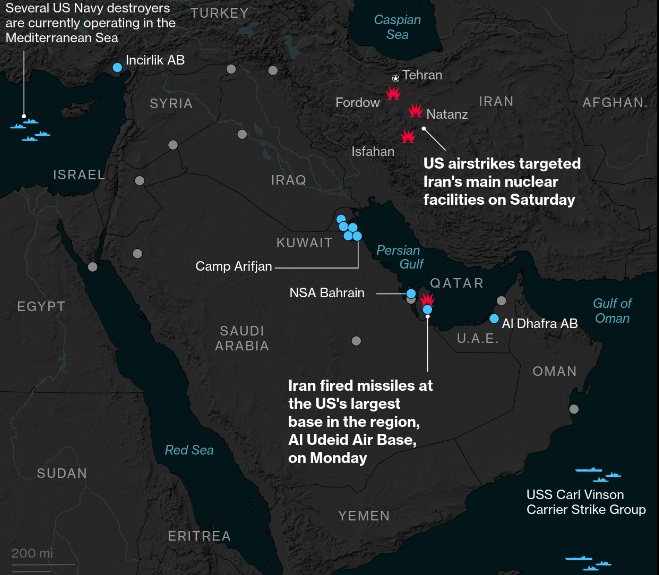
Although direct US attacks on Iran have subsided somewhat since late July, both nations appear to have shifted toward a war of economic pressure. Washington has revoked sanctions waivers on Iranian oil and imposed naval blockades on several ports, aiming to squeeze Tehran's economy and force concessions.
Iran, meanwhile, continues to leverage its influence over the Strait of Hormuz as a strategic tool. By disrupting shipping through this vital artery for global oil and gas trade, Tehran retains the ability to ramp up pressure on global energy markets and drive up economic costs for Washington and its allies.
The risk of military escalation has not entirely vanished, either. Previous tensions sparked a cycle of attacks and counter-attacks after Iran tightened its control over vessels passing through Hormuz. Trump reportedly considered a larger military operation but ultimately held back due to pressure from regional allies and concerns regarding US ammunition stockpiles.
Newsmaker Analysis: The expiration of the 60-day deadline without an agreement reinforces the signal that US-Iran diplomacy is at a serious impasse. If both nations persist with economic pressure tactics and Iran continues to use the Strait of Hormuz as a bargaining chip, the risks to oil prices and global inflation will remain high. This situation also sustains potential demand for safe-haven assets like gold, while a fresh military escalation could once again sharply increase market volatility. (arl)
Source: Newsmaker.id