Dollar Weakens as Fed Hike Odds Drop; Treasuries Rally
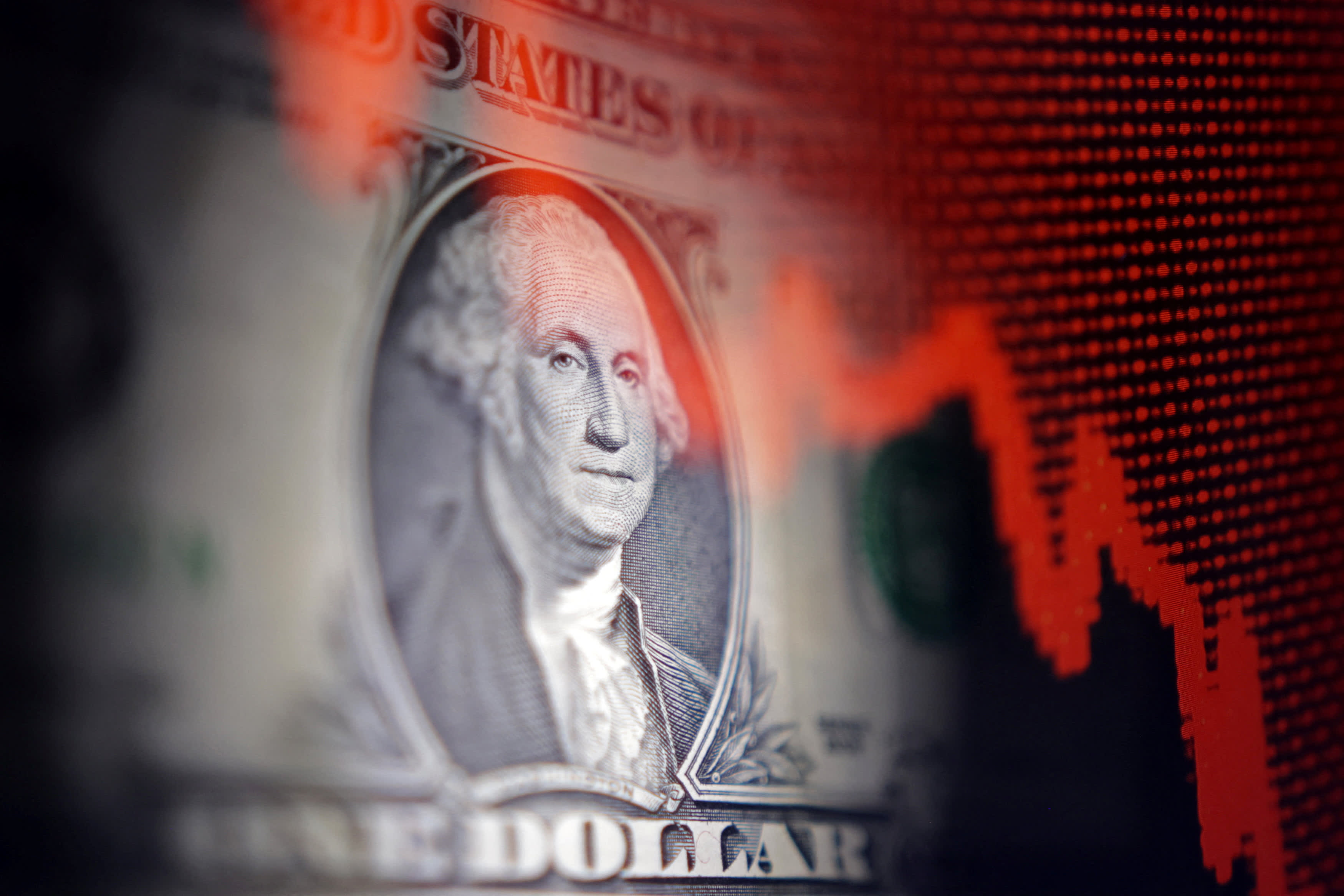
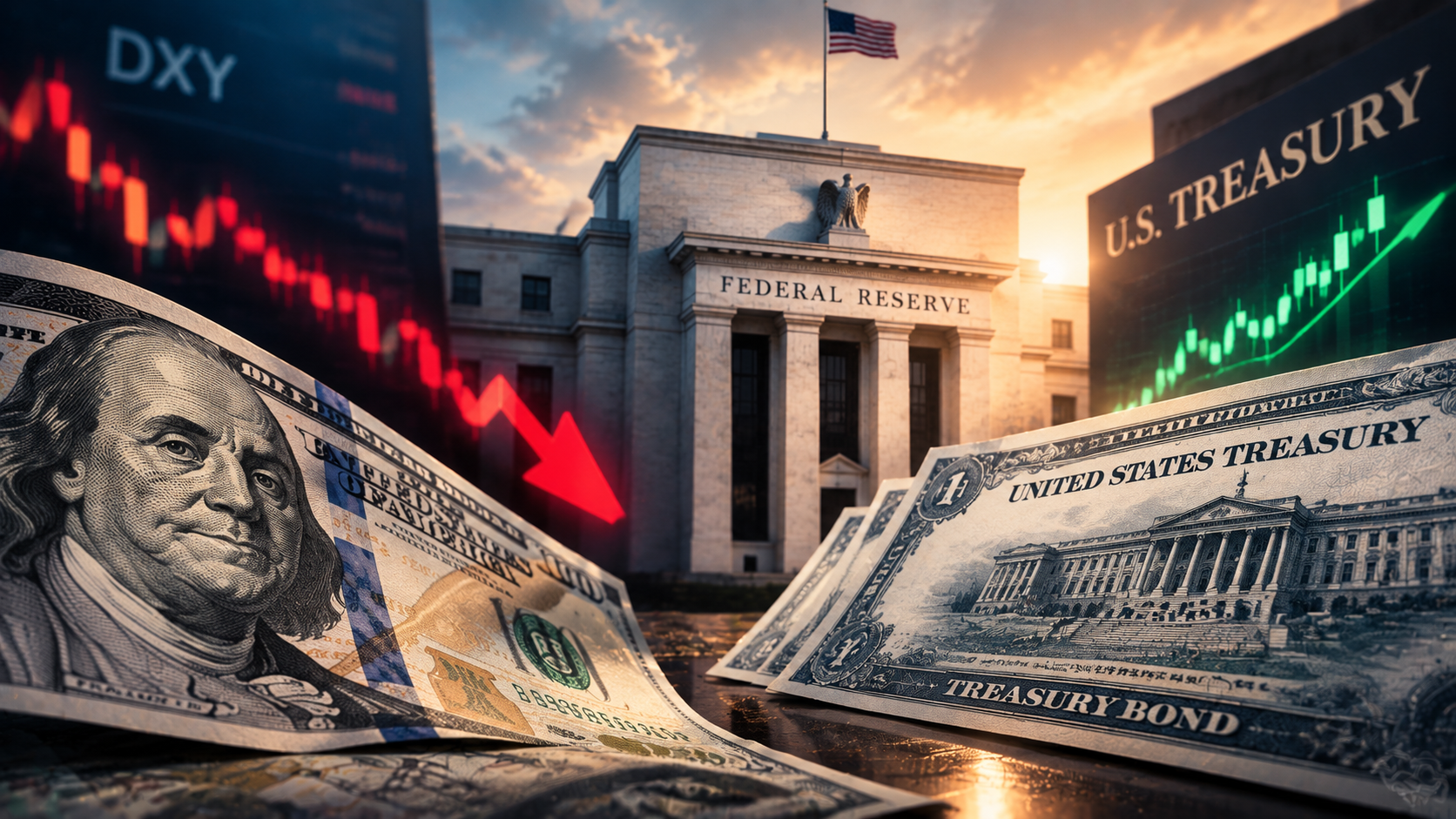
The US dollar remained under pressure during Monday's trading (August 17); at the time of writing, the DXY hovered around the 99.22 mark. Weak US economic data caused markets to further scale back expectations for a Federal Reserve interest rate hike in September. The Bloomberg Dollar Spot Index fell approximately 0.1%, hovering near its lowest level since May, while the dollar weakened against all major Group-of-10 currencies.
Downward pressure on the dollar intensified after US retail sales for July recorded their largest drop in over a year. Consequently, markets now price in only a roughly one-in-four chance of a Fed rate hike next month—a sharp decline from the ~50% probability seen the previous week. US Treasuries rallied, with the two-year yield falling to around 4.15% and the 10-year yield easing to approximately 4.68%.
In commodity markets, oil prices initially rose before losing momentum. Brent crude traded around US$88.55 per barrel, having previously approached the US$89 mark. Markets remain on the lookout for new catalysts from the Middle East, particularly regarding the potential reopening of the Strait of Hormuz, Israel's latest strikes in Lebanon, and possible additional US sanctions against Iran.
Geopolitical tensions have escalated again after Israel announced it had killed 11 people—including a senior Hezbollah commander—in a strike in southern Lebanon. These developments threaten to complicate regional relations amidst the ongoing negotiating stalemate between Washington and Tehran regarding the conflict involving Iran and the future of the Strait of Hormuz.
Meanwhile, gold rose about 0.4% to the US$4,390 per troy ounce range, supported by the weaker dollar and diminished expectations for a Fed rate hike. S&P 500 and Nasdaq 100 futures also edged higher, recovering after Wall Street had previously pulled back due to weak US retail sales and consumer sentiment data.
Newsmaker Analysis: Market sentiment is currently being driven by two primary forces: weakening US economic data and geopolitical risks in the Middle East. Weak consumption data reinforces the likelihood of the Fed holding interest rates steady, exerting downward pressure on the dollar while providing support for gold and bonds. However, uncertainties surrounding Iran, the Strait of Hormuz, and the conflict in Lebanon remain key risks that could once again drive volatility in oil prices, inflation, and global markets.
Source: Newsmaker.id