Trump Shifts Strategy: Economic Pressure Becomes New Weapon Against Iran
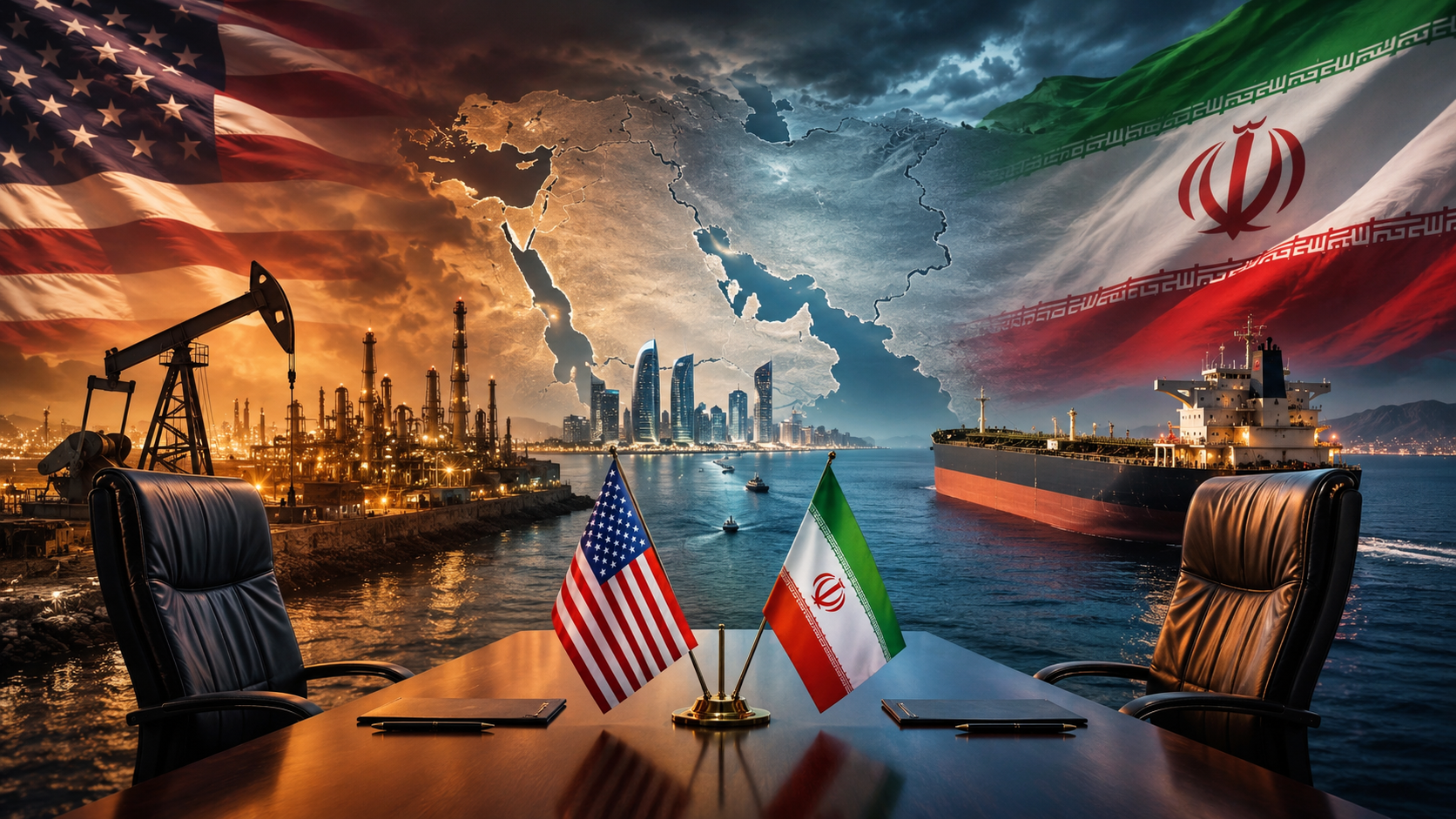
The administration of U.S. President Donald Trump has begun shifting its strategic focus regarding Iran by once again relying on economic pressure. After nearly six months of conflict failed to yield significant changes from Tehran, Washington is now intensifying sanctions and naval blockades to curtail Iran's oil exports.
This approach is reminiscent of the "Maximum Pressure" policy Trump employed during his first term. The U.S. government assesses that Iran's current economic condition is far weaker, meaning that pressure on oil revenues, access to financial systems, and international trade could have a more substantial impact.
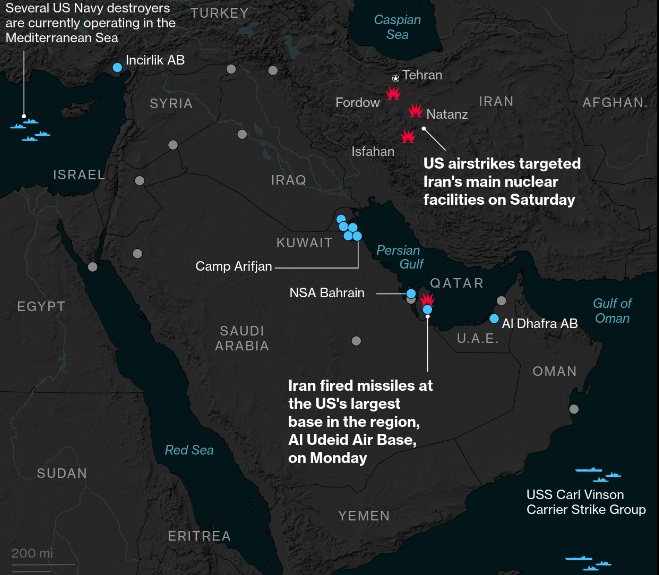
The U.S. government also believes Iran's position in the Strait of Hormuz is weakening as American military capabilities to escort vessels and maintain a portion of energy flows improve. However, to date, this pressure has not caused Iran to alter its stance on its nuclear program or the reopening of the Strait of Hormuz.
Iran's economy has faced immense strain due to the conflict and restrictions on oil exports. Inflation has reportedly surged, while the value of the rial has weakened compared to pre-conflict levels. Washington retains the option to further tighten sanctions on companies, financial institutions, and intermediary networks that facilitate Iran's energy export revenues.
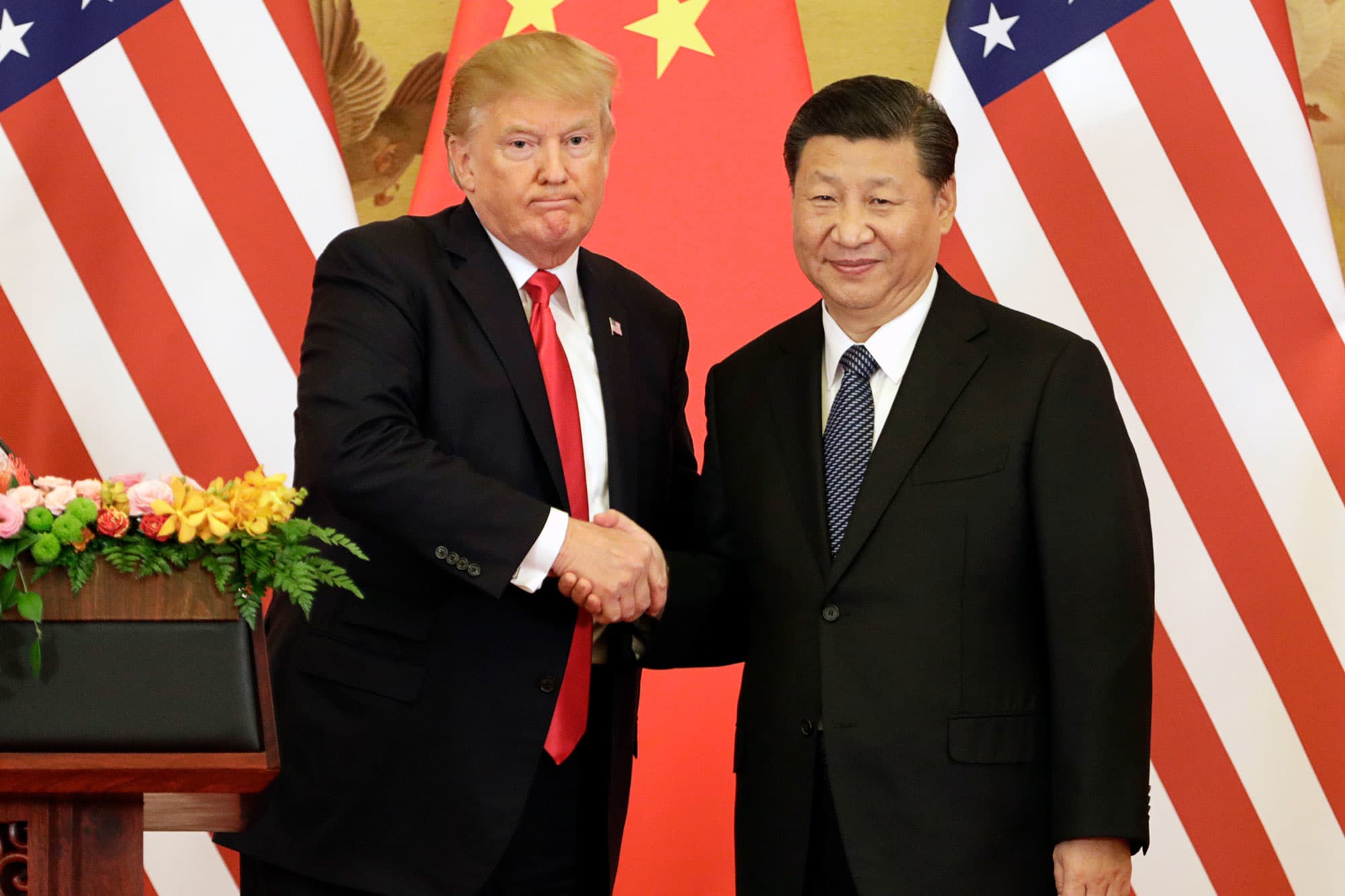
One option under consideration is intensifying pressure on major buyers of Iranian oil, including China and India. However, taking action against major Chinese financial institutions could escalate tensions between Washington and Beijing, thereby giving the strategy broader geopolitical consequences.
Newsmaker Analysis: Trump's strategic shift indicates that the U.S. currently prefers pressuring Iran economically rather than expanding military operations. For the markets, the primary focus remains on whether this pressure can alter Tehran's position regarding the Strait of Hormuz. If blockades and sanctions further restrict Iranian oil exports without diplomatic progress, the risk of supply disruptions could keep oil prices high and bolster demand for safe-haven assets. Conversely, if economic pressure eventually paves the way for negotiations, the geopolitical premium on oil prices could begin to subside. (asd)*
Source: Newsmaker.id