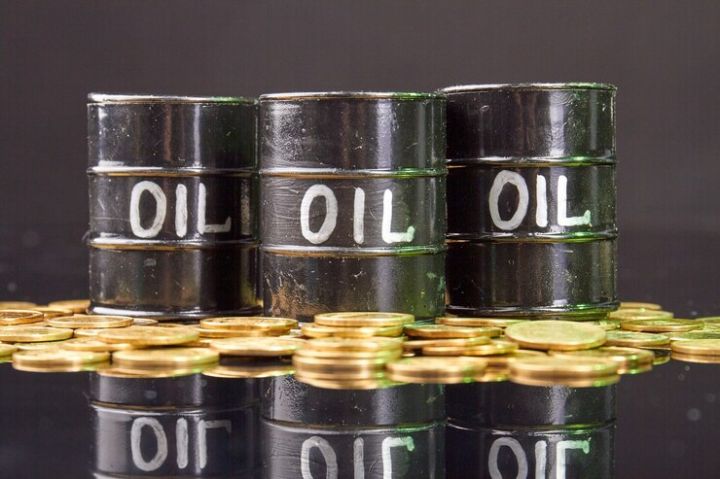
Oil Holds at US$87; Hormuz Standoff Persists
Oil prices remained stable during Friday's trading (August 14) following a decline in the previous session. Brent held steady around US$87 per barrel after dropping 2.2%, while WTI traded in the US$81 range. The market remains on the lookout for new developments regarding efforts to reopen the Strait of Hormuz.
Negotiations between Iran and Oman have yet to yield an agreement to reopen this vital shipping lane. Early-week optimism has begun to fade due to a lack of concrete progress, while security risks for passing vessels remain high.
Tensions escalated again after the Abu Dhabi National Oil Co. reported that two of its vessels were attacked on Thursday night. In the Red Sea region, the Iran-backed Houthi group also claimed to have targeted the Jazan refinery in Saudi Arabia, further fueling concerns about supply disruptions and threats to energy infrastructure.
Nevertheless, some oil continues to flow out of the Persian Gulf, including via tankers that have switched off their transponders. US Energy Secretary Chris Wright stated that approximately 9 million barrels of oil per day are still able to pass through Hormuz with the aid of US military escorts.
Supply fundamentals continue to support oil prices. The International Energy Agency projects a widening oil market deficit for the current quarter, with the deficit for 2026 forecast to be the largest in five years. Brent has also posted a gain of over 4% for the week.
Newsmaker Analysis: Oil prices are currently in a "wait-and-see" phase as the market weighs the diplomatic stalemate against the continued flow of oil. Until the situation at Hormuz normalizes and attacks on vessels and energy infrastructure cease, Brent is likely to remain within the US$80–US$90 range. A fresh escalation could push prices back toward US$90, whereas a concrete agreement regarding Hormuz could trigger a price correction. (asd)*
Source: Newsmaker.id