Israel-Lebanon Tensions Overshadow US-Iran Deal on Hormuz
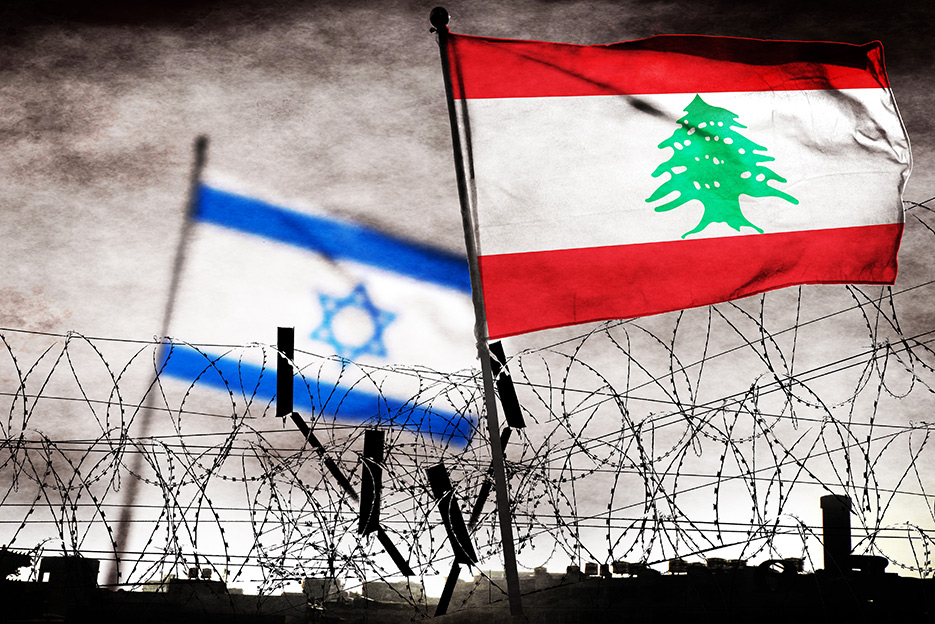
US President Donald Trump has exerted more overt diplomatic pressure on Israel after expressing dissatisfaction with Tel Aviv's handling of its military operation in Lebanon against Hezbollah. The statement came as Washington seeks to maintain the momentum of an interim agreement with Iran to reopen the Strait of Hormuz, a vital route for global energy flows.
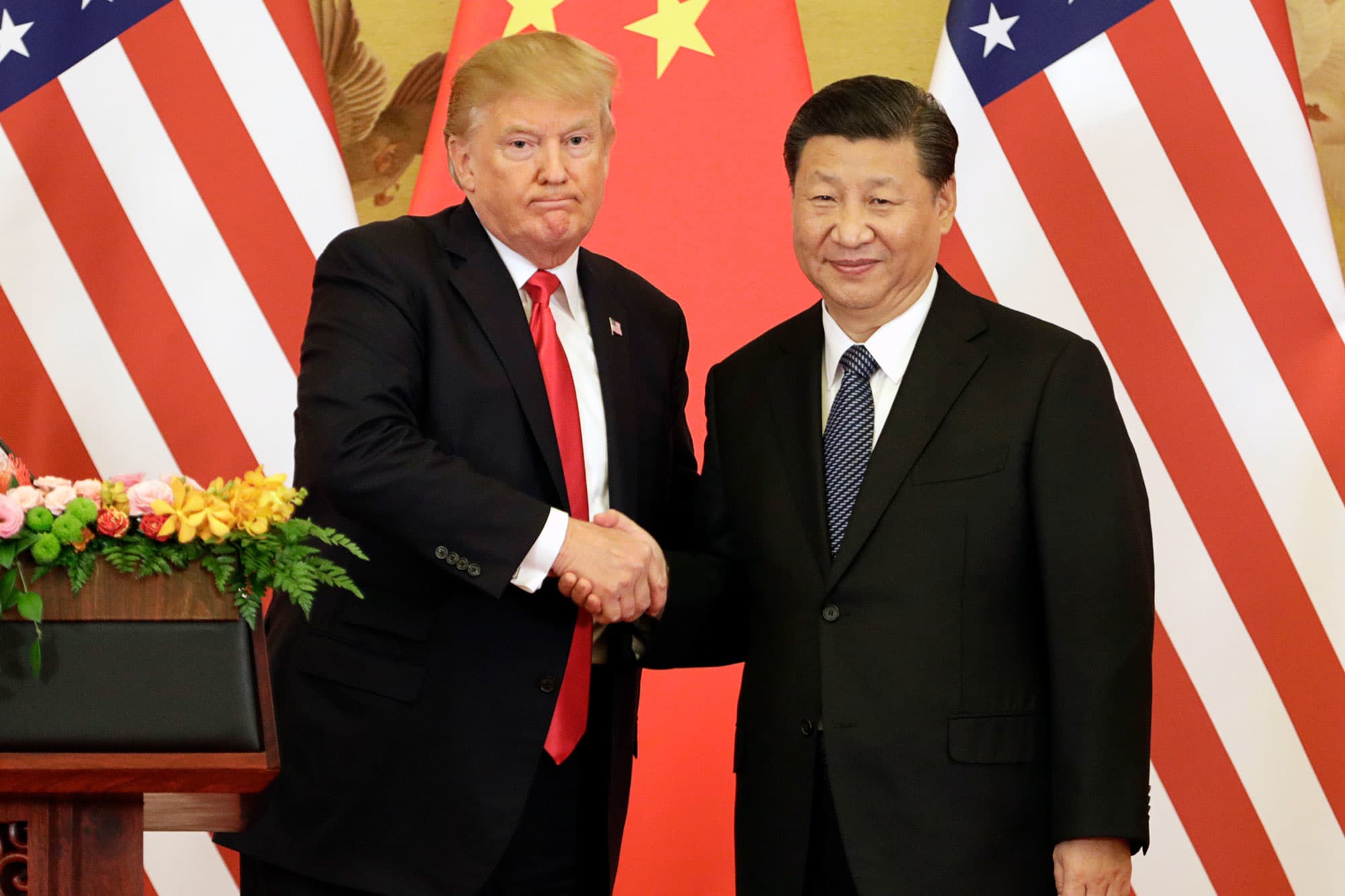
In a meeting with Qatari leaders on the sidelines of the G7 summit, Trump said Israel's campaign in Lebanon risked casting a negative shadow on negotiations with Tehran. He even suggested that Israel "let Syria take care of Hezbollah," a statement that exerted indirect political pressure on Israel's security strategy on its northern border.
This friction places Israel in an increasingly difficult position within the regional diplomatic architecture. On the one hand, Israel continues to emphasize the need to restrain Hezbollah from launching attacks on its territory. On the other hand, Washington sees a prolonged escalation in Lebanon that could undermine the stabilization being built through the agreement with Iran.
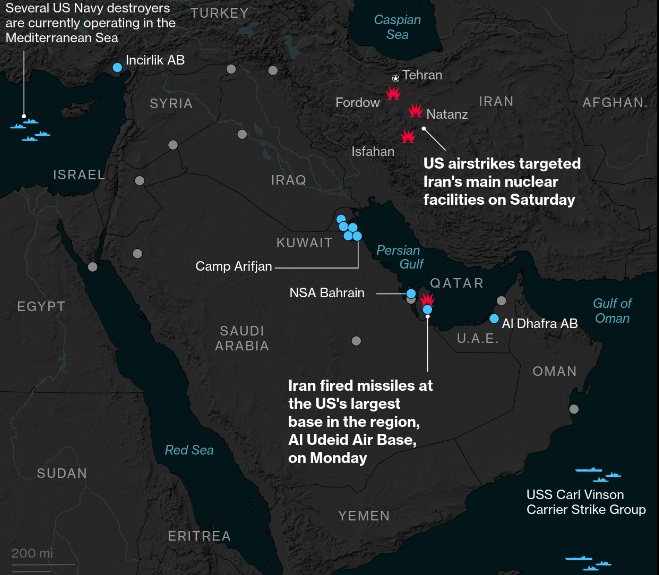
The interim US-Iran agreement has become a focus of attention because it directly relates to the Strait of Hormuz. The reopening of the waterway is seen as a crucial step to ease pressure on global energy supplies after a 15-week war triggered an energy crisis and heavy casualties. However, the deal's sustainability still depends on the parties' ability to maintain a controlled regional escalation.
The market implications lie in the energy risk channel and geopolitical premiums. If Hormuz resumes operations with greater stability, pressure on energy prices could ease and help alleviate concerns about supply-side inflation. However, if attacks in Lebanon continue or Iran continues to push for tariffs on traffic in Hormuz, the market could reintroduce a risk premium into the prices of oil and energy-related assets.
The stance of Gulf states is also a key variable. The objections of Saudi Arabia and the United Arab Emirates to potential traffic fees in Hormuz indicate that the US-Iran deal has not fully resolved the operational issues of the waterway. For the market, differing interpretations of Hormuz access could maintain high energy volatility even after the initial diplomatic framework is in place.
Trump's relationship with Israeli Prime Minister Benjamin Netanyahu has also come under scrutiny after the US President stated that Netanyahu needs to take more responsibility regarding Lebanon. The statement signals that Washington's support for Israel does not automatically preclude criticism when military operations are perceived as disrupting broader US diplomatic priorities.
Going forward, the market will monitor three key variables: the continued opening of the Strait of Hormuz, the intensity of Israeli operations in Lebanon, and Iran's response to regional security dynamics. As long as these three factors remain stable, geopolitical risk remains a key component in assessing energy prices, inflation, and global asset sentiment. (Arl)
Source: Newsmaker.id