Oil Weakens, Market Awaits Details on Hormuz Reopening
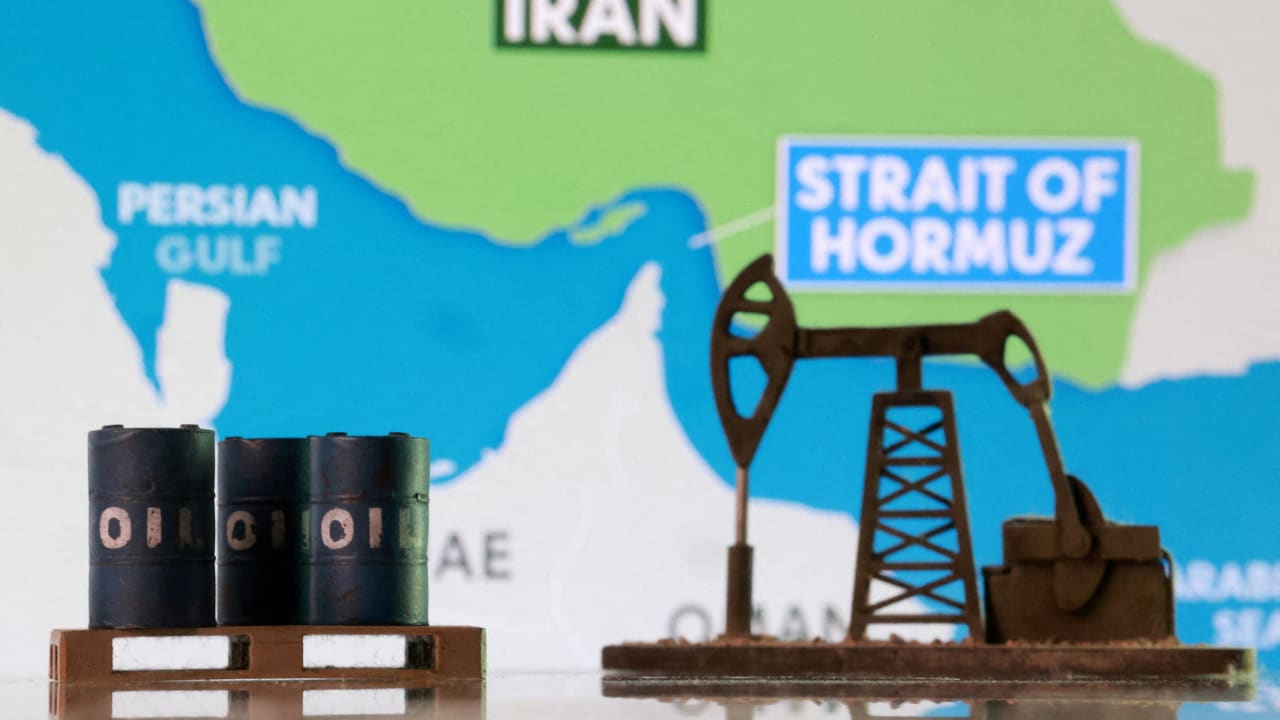
Oil prices weakened again on Tuesday (June 16th) after plummeting to a three-month low in the previous session. Investors are still awaiting details of the interim US-Iran agreement, which is expected to reopen the Strait of Hormuz and restore energy flows from the Gulf region.
At 5:09 a.m. ET (09:09 GMT), Brent for August fell 2.1% to US$81.41 per barrel, while WTI for July fell 2.4% to US$78.83 per barrel. Both benchmarks had fallen nearly 5% on Monday after the US and Iran announced a preliminary agreement to extend the ceasefire for 60 days and lift the blockade of Hormuz.
This decline indicates that much of the geopolitical risk premium is starting to leave oil prices. During the Gulf conflict, the risk of supply disruptions kept oil prices high. Now, the market is beginning to assess that if Hormuz is indeed reopened, oil supply could increase again and energy price pressures could potentially ease.
However, the market is not yet fully convinced. Trump said Hormuz could be fully reopened on Friday, when the US and Iran are scheduled to sign a deal in Switzerland. But shipping companies, insurers, and producers still need certainty about the safety of the channel, insurance costs, and how quickly the stranded vessels can return to normal operations.
From a fundamental perspective, oil is also under pressure from a weaker demand outlook. OPEC last week cut its 2026 global oil demand growth forecast to around 970,000 barrels per day, from a previous estimate of 1.17 million barrels per day. The combination of expectations of a supply recovery and more cautious demand limits the scope for a rebound in oil production.
However, the risk of volatility has not disappeared. Energy supplies have been significantly depleted during the Hormuz closure, so any delay in implementing the agreement or any obstacles in reopening the shipping lane could rekindle supply concerns. The market's next focus will be on the official details of the agreement, Friday's signing, actual ship flows in Hormuz, and any signs of a true return to normal Gulf oil exports. (Arl)
Source: Newsmaker.id