Hormuz Promised to Open Friday, Risks of US-Iran Deal Not Over
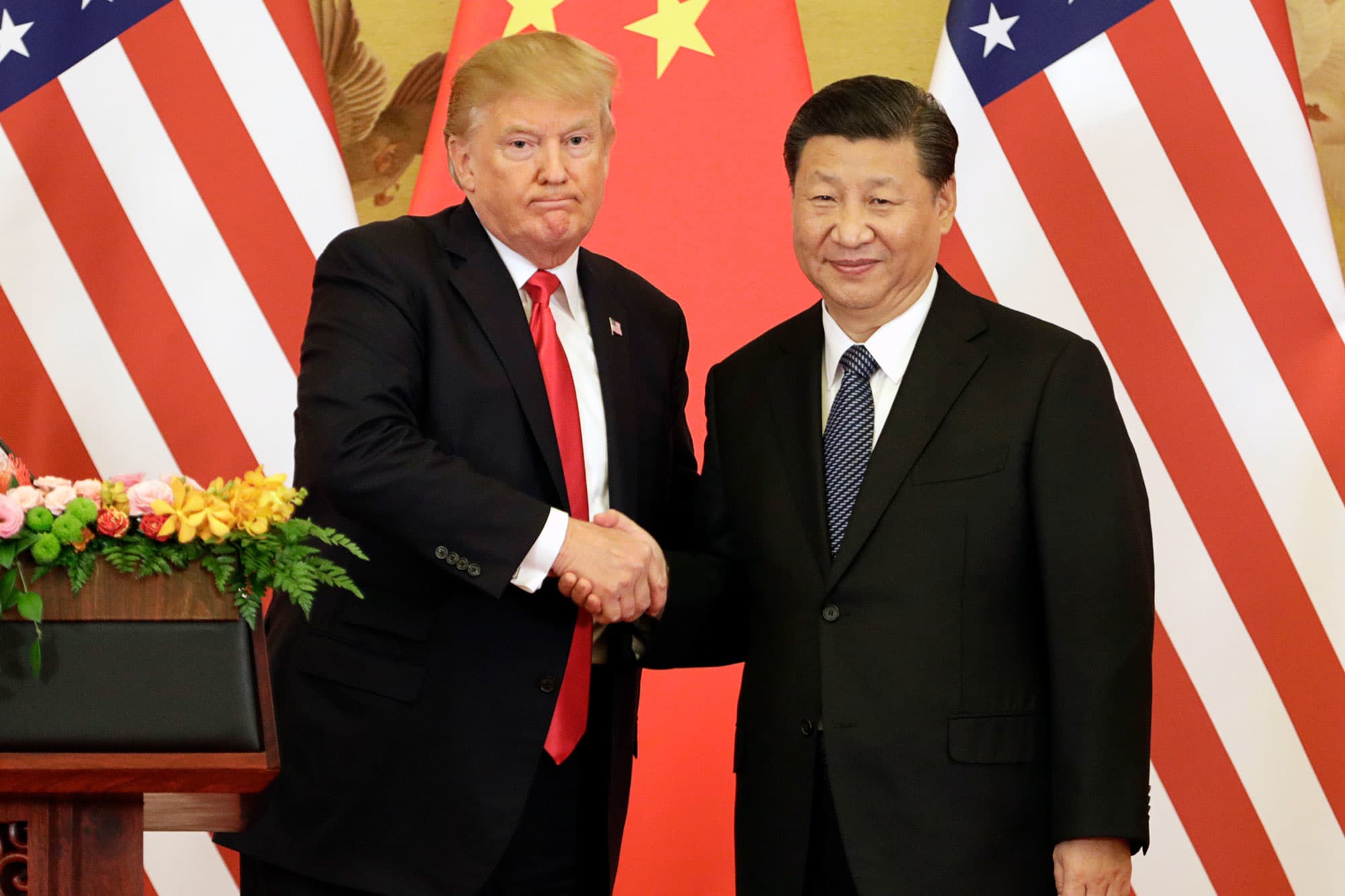
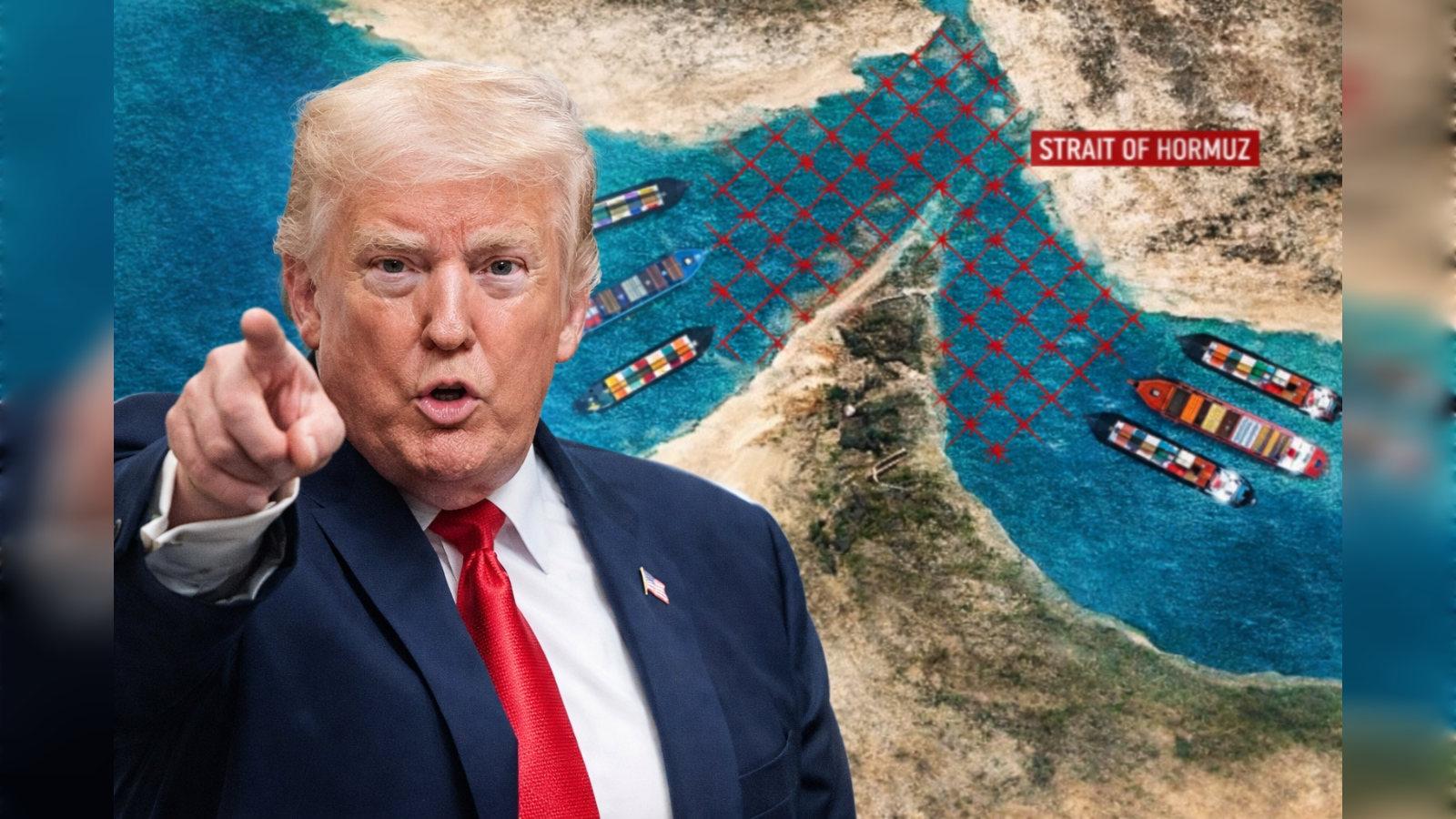
US President Donald Trump said the Strait of Hormuz could potentially be fully opened by Friday (June 19), when representatives from Washington and Tehran are scheduled to meet in Switzerland for the formal signing of an interim peace deal. Trump said the waterway is already "partially open" and ships have begun leaving the area.
However, the timing of normalization remains questionable. Some US officials have said normal shipping operations could take up to two weeks, even if a political opening is announced sooner. Markets are also still awaiting the official text of the framework agreement, which is expected to be released on Friday or in the next few days.
The preliminary agreement reportedly includes reopening the Strait of Hormuz, extending the ceasefire for 60 days, and lifting the US blockade of Iranian ports. Trump and Vice President JD Vance signed a preliminary agreement electronically on Sunday, but Vance emphasized that many important details still need to be finalized.
One of the biggest sources of uncertainty comes from Israel and Lebanon. Israeli Prime Minister Benjamin Netanyahu is said to be opposed to a deal that does not fully dismantle Iran's ballistic missile production and regional militia network. Defense Minister Israel Katz also confirmed that Israeli troops would not withdraw from southern Lebanon.
Meanwhile, Iranian Foreign Minister Abbas Araghchi said a peace deal must depend on the end of Israel's occupation of the region. He stated that without the withdrawal of Israeli troops from areas occupied during the war, the conflict would not be fully resolved. Iran also warned that further attacks could be considered a violation of the memorandum of understanding.
For global markets, the opening of Hormuz remains a key catalyst because the route is crucial for global energy flows. If the opening proceeds smoothly, oil price pressures and inflation risks could ease. However, if differences between the US, Iran, and Israel hinder implementation, volatility in oil, the dollar, bonds, and risk assets could still increase. (Arl)
Source: Newsmaker.id