NATO Allies Reject Hormuz Blockade, Frictions with Trump Grow
Several NATO allies have declared they will not participate in US President Donald Trump's plan to block the Strait of Hormuz, adding to friction within the alliance amid the escalating conflict over Iran. The rejection comes as Washington prepares to block maritime traffic linked to Iranian ports, following the collapse of weekend talks to end the six-week war.
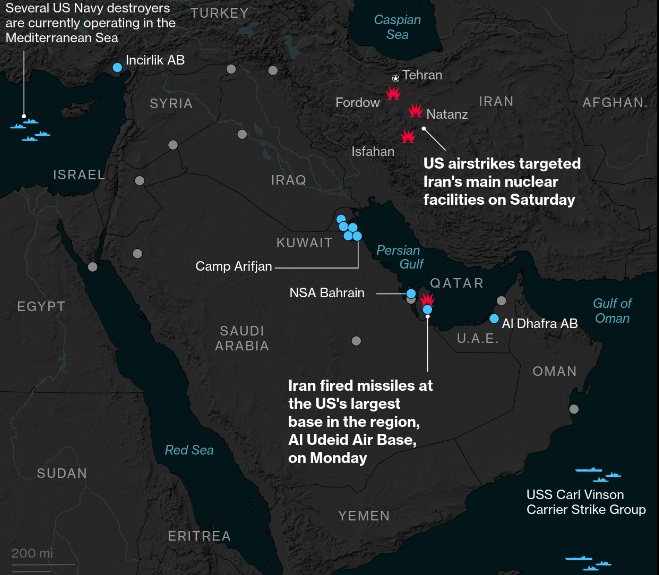
Trump said the US military would work with "other countries" to block traffic in the strategic waterway. However, Britain and France insisted they would not be dragged into a war by participating in the blockade, while emphasizing the importance of reopening the strait, through which about a fifth of the world's oil supplies normally pass and which has been "effectively closed" by Iran since February 28.
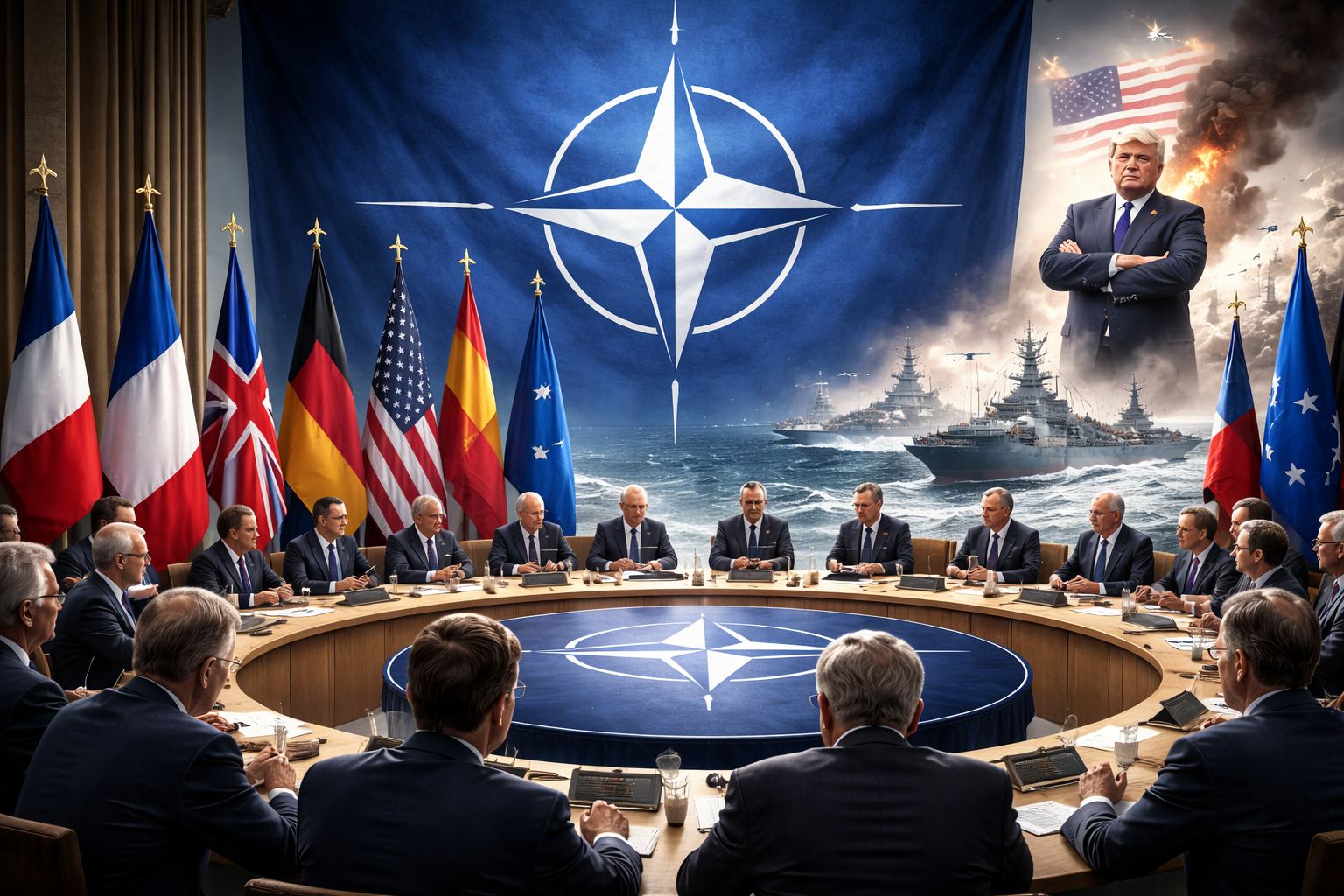
British Prime Minister Keir Starmer reiterated that London "does not support a blockade" despite "considerable pressure," and said Britain would not join a war under any circumstances. This stance widens the gap with Trump, who is said to be considering changes to the US's posture within NATO, including the proposed withdrawal of some troops from Europe after several countries refused to support the US campaign against Iran.
The dynamics of Hormuz have also sparked debate over the nature of NATO's involvement. NATO Secretary-General Mark Rutte reportedly said that Trump wants a concrete commitment soon to help secure the strait, with the option of a NATO mission only possible if all 32 members agree to its formation. Several European countries have expressed willingness to assist in the strait, but this requires a lasting end to hostilities and an agreement with Iran that their ships will not be attacked.
French President Emmanuel Macron stated that France will convene a conference with the UK and other countries to establish a multinational mission to restore navigation in Hormuz. He emphasized that this mission would be defensive and distinct from the warring parties, and would only be deployed "when the situation allows." Meanwhile, Turkish Foreign Minister Hakan Fidan believes Hormuz should be opened through diplomacy and warned that establishing an international force to monitor the strait would be complicated, while calling on NATO to reset its relationship with Trump at the Ankara summit in July.
Markets will be watching to see whether these differences hinder coordination on shipping security in Hormuz, how quickly the waterway can be "fully reopened," and whether the multinational defensive mission format gains broad support without triggering a new escalation with Iran.
Source: Newsmaker.id