Trump Keeps Tuesday Deadline on Iran, Warns of Heavier Strikes if Hormuz Stays Shut
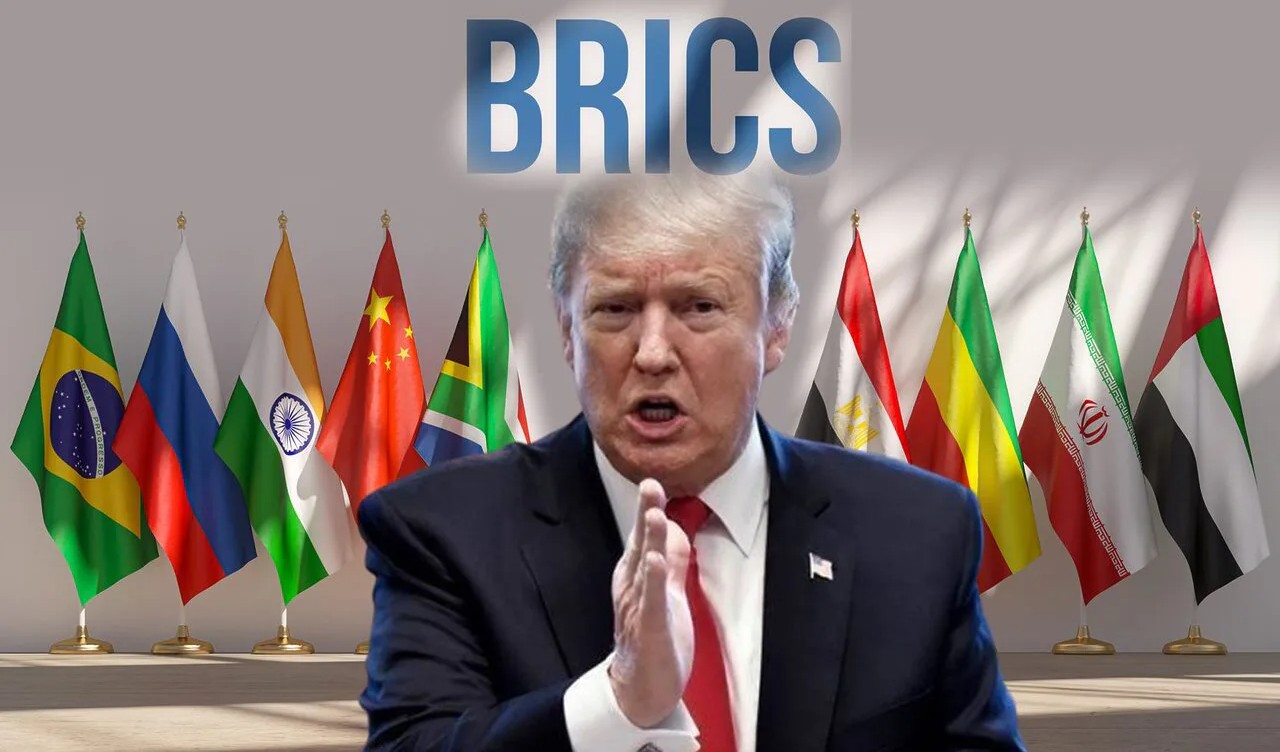
U.S. President Donald Trump said in his latest public remarks that the Tuesday night deadline for Iran to reach a deal remains final, with Washington’s focus centered on reopening the Strait of Hormuz. Trump said Iran’s proposal was a “significant step” but “not good enough,” and signaled he does not plan to extend the timeline.
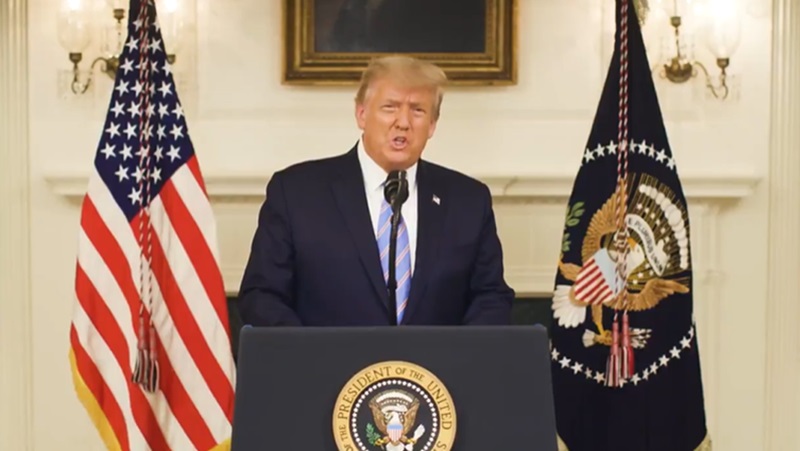
Speaking at the White House, Trump sharpened his warning by saying Iran could be “taken out” quickly if there is no agreement, reinforcing market concerns that the conflict could intensify rather than move toward de-escalation.
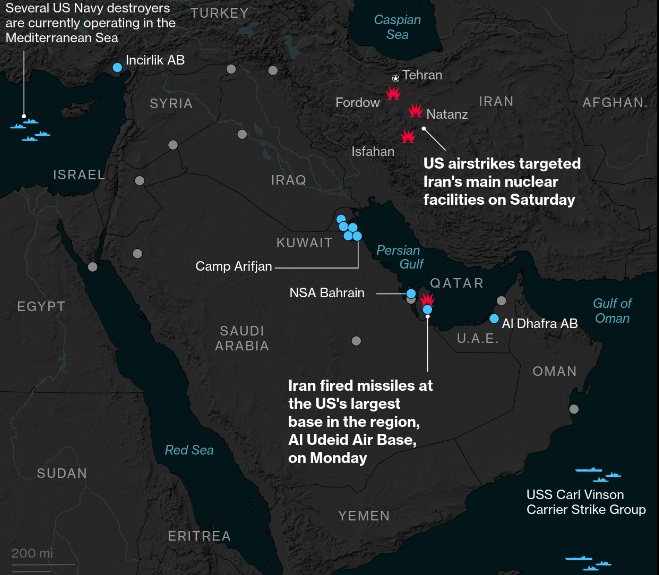
The administration continues to frame Hormuz as the core issue because of its role in global energy flows. Iran has effectively shut the strait in response to U.S. and Israeli strikes, making the chokepoint the key lever in current bargaining and a main driver of volatility across energy markets.
Mediation efforts have also been in focus, including ceasefire concepts that would be followed by broader talks. However, Trump indicated he has not signed off on any framework, and U.S. military operations remain ongoing, keeping uncertainty elevated for crude prices and broader risk sentiment.
Trump’s stance underscores that Hormuz remains the central pressure point in Washington’s calculations, given the strait’s importance to global energy distribution and its outsized impact on market volatility. With the deadline approaching, traders are treating official headlines as catalysts for sharp moves in oil, the U.S. dollar, and risk assets—especially as the tone shifts between diplomacy and threats.
Looking ahead, markets will be watching for two immediate signals: any evidence of restored shipping flows or traffic arrangements that could ease disruption, and whether the White House offers clearer detail on the negotiation channel. Iran’s response to Tuesday’s deadline will be pivotal, as escalation or de-escalation on either side could quickly reshape the outlook for energy prices, inflation dynamics, and near-term expectations for monetary policy.
Source : Newsmaker.id