Trump's Ultimatum to Iran Pressures Hormuz, Supply Risks Push Oil to Maintain Premiums
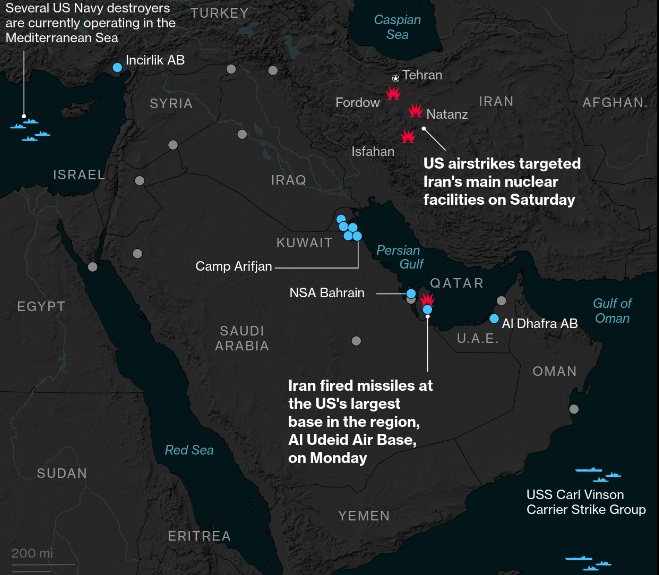
US-Iran tensions have again increased risk premiums in energy markets after President Donald Trump issued a new ultimatum regarding the opening of the Strait of Hormuz. Iran rejected the demands and stated that the shipping lane would only be fully reopened after the damage caused by the war was "compensated."
Trump announced that he would target Iranian power plants starting Tuesday and announced a new deadline for Tuesday evening and a planned press conference for Monday afternoon. The statement came after the US military evacuated an airman missing for more than a day after his fighter jet was shot down during a combat mission.
Iran, meanwhile, continued attacks on energy targets in the Gulf. The circulating narratives indicate that the attacks targeted facilities related to Kuwait's oil sector, including a fire at the headquarters of the state oil company, as well as disruptions at processing and petrochemical facilities.
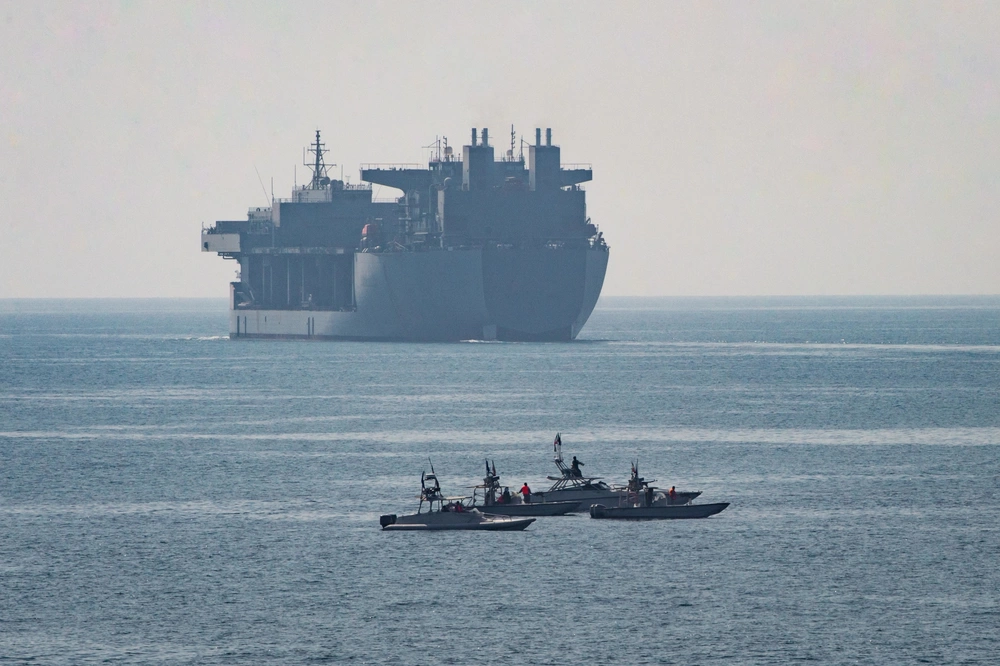
Shipping flows through Hormuz are said to remain far below normal levels. Iranian semi-official media reported that 15 ships were granted passage in the past 24 hours, but that number is about 90% lower than before the conflict, indicating that logistical bottlenecks remain real, though not completely eliminated.
Iran also announced that Iraq would be exempt from shipping restrictions, opening the door to increased Iraqi cargo flows. However, Iraqi officials emphasized that realized volumes depend on shipping companies' willingness to take the risk of passing through the chokepoint, amid security concerns, insurance and shipping costs.
Market pressure stems not only from potential disruptions to crude supplies, but also from rising costs of refined products such as jet fuel and diesel, which risk prolonging inflationary pressures. In this context, OPEC+ is said to have symbolically raised its May production quotas as the war curbs production and shipments from several major members.
In the US, the national average gasoline price reportedly surpassed US$4 per gallon for the first time since 2022, adding to political sensitivity ahead of the November midterm elections. Looking ahead, the market will monitor the realization of Trump's deadline, diplomatic developments (including Oman's role), as well as data on ship movements and the risk of further attacks on energy infrastructure in the region.
5 key points:
- Trump issued a new ultimatum and set a deadline for opening the Strait of Hormuz, accompanied by threats against Iran's electricity infrastructure.
- Iran rejected the offer and linked the full opening of Hormuz to compensation for war damages.
- The conflict increases risks to regional energy assets, including reports of attacks on oil and petrochemical facilities in the Gulf.
- Shipping traffic in Hormuz remains far below normal; 15 vessels are reported to have passed through with permits, about 90% lower than before the conflict.
- The surge in US refined product and gasoline prices above US$4/gallon increases inflation risks, while the supply response (OPEC+) is considered limited. (asd)
Source: Newsmaker.id