Iran Targets UAE Energy Infrastructure as Shah Gas Field Burns, Tanker Hit Near Hormuz
A fresh wave of attacks on the United Arab Emirates’ energy infrastructure has intensified fears of prolonged supply disruptions as the Iran war widens. The latest incidents include a drone strike on the UAE’s massive Shah gas field, a fire at the Fujairah Oil Industry Zone, and another tanker being hit near the strategically vital Strait of Hormuz.
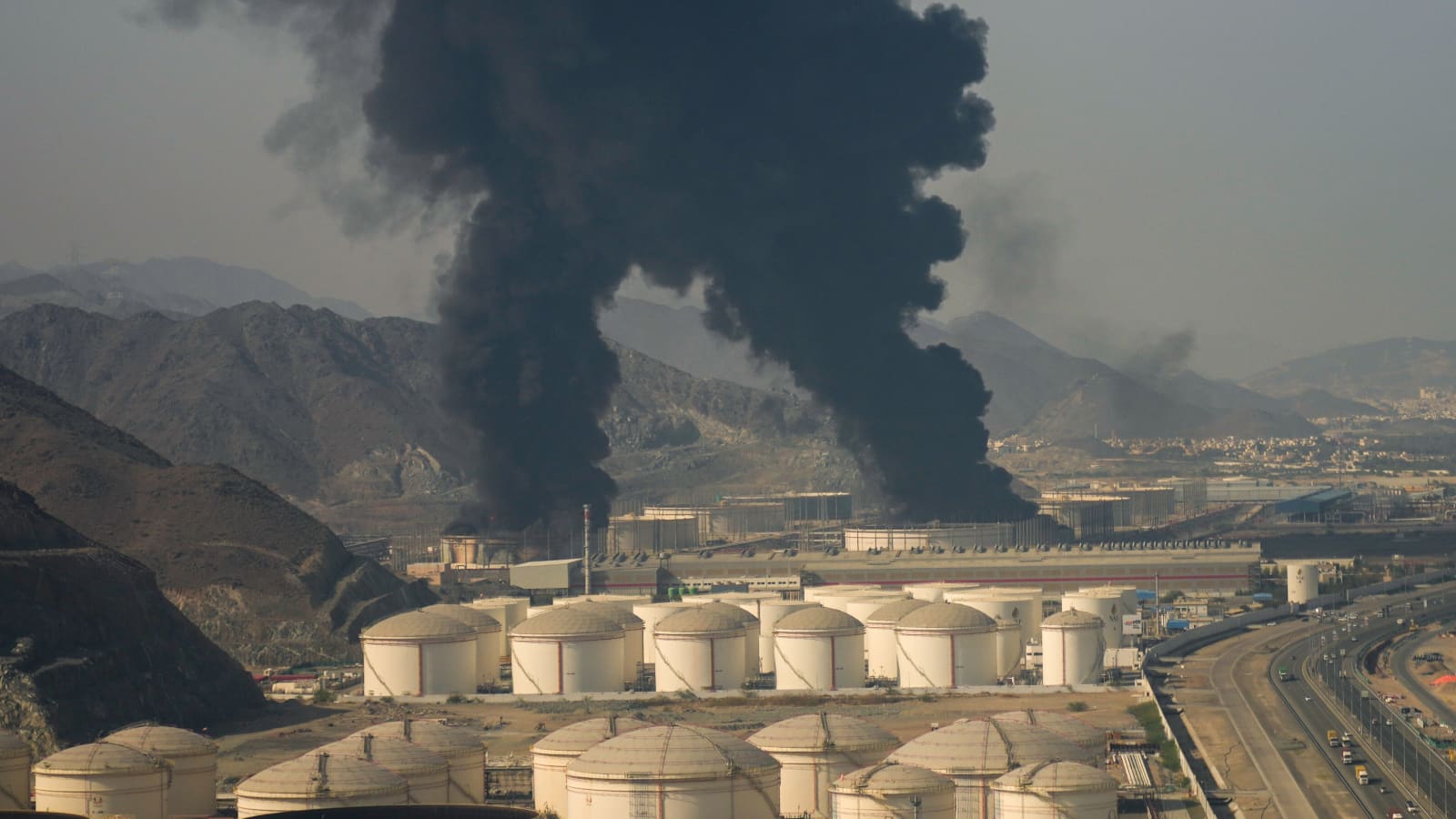
Abu Dhabi authorities said operations at the Shah gas field remained suspended on Tuesday after a drone attack triggered a fire at the facility. No injuries were reported. The Shah field is located about 110 miles southwest of Abu Dhabi and is operated by a joint venture between Abu Dhabi National Oil Co. (ADNOC) and Occidental Petroleum. The site has the capacity to produce 1.28 billion standard cubic feet of gas per day and 4.2 million tons of sulfur per year.
Separately, a drone strike sparked a fire at the Fujairah Oil Industry Zone, a critical hub for the UAE’s crude exports and bunkering operations. Fujairah’s government media office said no casualties were reported. Fujairah, one of the world’s key storage and trading hubs for crude and fuels, sits on the UAE’s eastern coastline and serves as a major shipping node for the wider region.
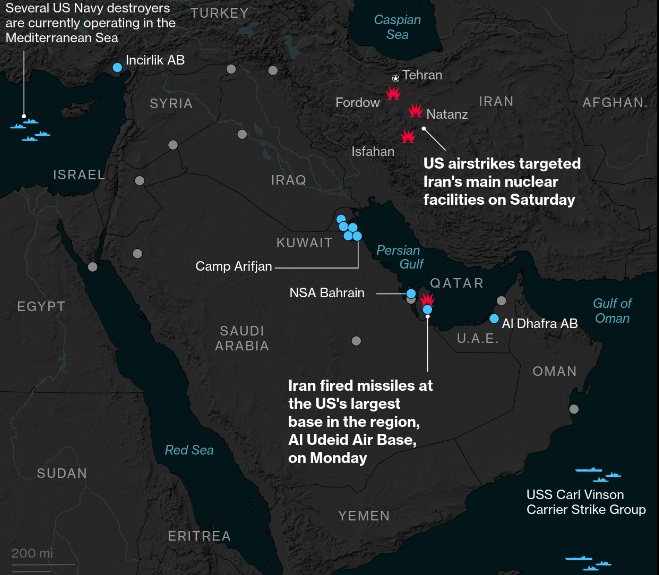
Fujairah has faced repeated attacks in recent weeks, underscoring the vulnerability of the UAE’s main export route that bypasses the Strait of Hormuz. Shipping through Hormuz—one of the world’s most important energy chokepoints—has virtually ground to a halt since the U.S. and Israel launched strikes against Iran on Feb. 28, with Iran retaliating by targeting vessels attempting to transit the corridor.
The UAE’s Abu Dhabi Crude Oil Pipeline (ADCOP)—also known as the Habshan–Fujairah pipeline—spans roughly 248 miles from onshore facilities at Habshan to Fujairah. It is estimated to handle about 1.5 million barrels per day, with a reported total capacity close to 1.8 million barrels per day, making it a vital alternative route when Hormuz is under threat.
Newsmaker takeaway: the attacks signal the conflict is evolving into a broader “energy war,” hitting both upstream production and the logistics nodes that keep crude flowing. As long as Hormuz remains unsafe and alternative routes like Fujairah face escalating risk, markets are likely to keep pricing a high risk premium across crude, gas, and refined products.
Source : Newsmaker.id