US–Iran Diplomacy and the Fed Control Market Direction, What Will Happen?
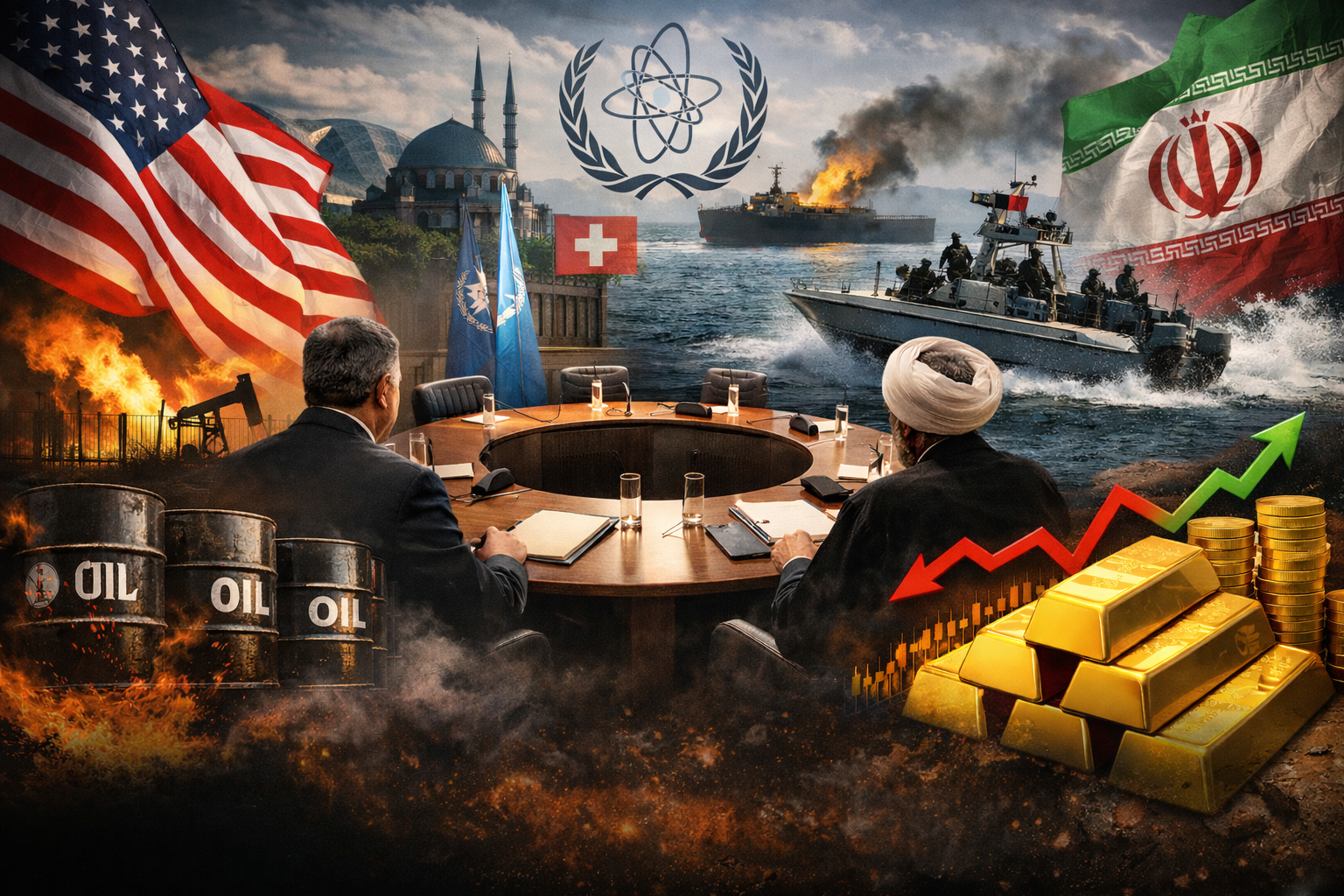
The global market narrative over the past two days has been shifting between two tracks: rapidly shifting US–Iran diplomacy and US monetary policy signals that have returned to focus. The ceasefire deadline was initially considered tight, but then President Donald Trump extended it indefinitely, while maintaining a blockade of Iran-linked shipping in the Strait of Hormuz. This combination of "cease-going, pressure remains" makes it difficult for market participants to assess whether risks have truly subsided or simply shifted.
On the diplomatic front, plans for the next round of negotiations have repeatedly moved back and forth. There have been indications that delegations might reconvene, but there have also been rejections and recriminations regarding threats, the blockade, and ceasefire violations. This uncertainty maintains a risk premium, especially as Hormuz remains a critical hub for energy flows and global sentiment.
On the policy front, Kevin Warsh's hearing at the Senate Banking Committee added another layer of uncertainty. Warsh emphasized central bank independence and inflation as priorities, while discussions on ethics and the institutional agenda also influenced the confirmation process. For the market, the bottom line remains the same: a more hawkish tone on inflation tends to lift the dollar and hold back non-yielding assets, while a more dovish tone could potentially create room for assets sensitive to dollar weakness.
Gold's sharp decline demonstrates how the market can punish precious metals despite geopolitical tensions. When diplomatic headlines suggest de-escalation, while the dollar strengthens and the market perceives inflation and interest rate risks as remaining dominant themes, gold can be pressured as the opportunity cost of holding non-yielding assets increases. At the same time, the threat of escalation remains volatile as the market must weigh worst-case scenarios and possible compromise scenarios in the near future.
Within the market framework, the impact tends to be split: oil remains sensitive to the status of Hormuz and the blockade policy, so an extension of the ceasefire does not automatically lower prices if shipping flows remain disrupted; the dollar tends to find support when uncertainty increases and interest rate expectations remain tight; Meanwhile, gold is in a tug-of-war between its geopolitical hedging function and pressures from the dollar and interest rate expectations, making its short-term direction highly dependent on negotiation headlines and shifts in perceptions of monetary policy. (Asd)*
Source: Newsmaker.id