
Trending
eurusd
Source: Newsmaker.id
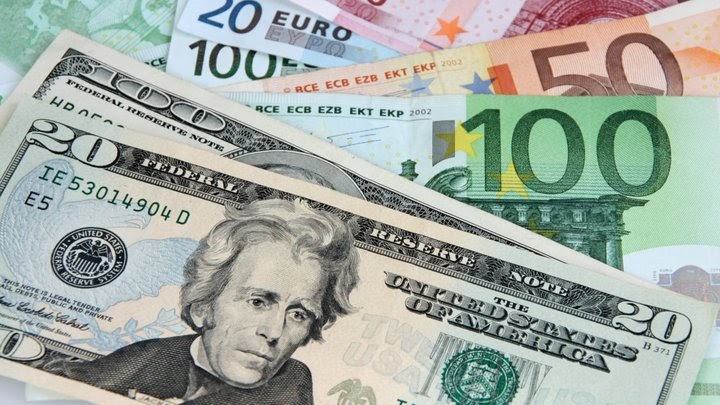
The Euro strengthened against the US Dollar (USD) during Asian trading on Thursday (November 5, 2026), with the EUR/USD pair hovering around the 1.1245 level—nearing a one-month high. This gain was fueled by a weakening US Dollar following the Democratic Party's victory, securing control of both chambers of Congress in the midterm elections. Furthermore, a rise in Eurozone inflation to 4% bolstered expectations for interest rate hikes by the European Central Bank (ECB), providing additional support for the single currency.
The Democratic Party's success in both the US House of Representatives and the Senate has heightened uncertainty regarding the continuation of the economic policies pursued by President Donald Trump’s administration. The shift in the composition of Congress could potentially constrain various fiscal agendas, including tax cuts and increased government spending. Carol Kong, an analyst at the Commonwealth Bank of Australia, noted that Democratic control of Congress could exert further downward pressure on the US Dollar, as it may hinder the expansion of government spending for the remainder of Trump’s term. This has prompted investors to recalibrate their expectations for US economic growth and fiscal policy.
In Europe, the latest inflation data indicates a significant resurgence in price pressures. The Harmonized Index of Consumer Prices (HICP) for the Eurozone climbed to 4.0% year-on-year in October, up from 3.8% in September. This figure aligns with market forecasts and marks the highest level in three years. It is the first time inflation has reached the 4% threshold since September 2023, when it stood at 4.3%. These conditions have fueled concerns that price pressures remain difficult to contain, thereby increasing the necessity for monetary policy tightening.
The European Central Bank previously held its benchmark interest rate at 2.5% during its October meeting, following a 25-basis-point hike in September. With inflation on the rise again, the market now estimates a roughly 72% probability of an interest rate hike at the December meeting—slightly higher than the 71.8% chance seen before the inflation data was released. Such expectations could enhance the appeal of the euro, as higher interest rates potentially offer greater returns on euro-denominated financial assets. Investors are also awaiting Germany’s factory orders report for September to gauge the state of industrial activity in the Eurozone’s largest economy.