
Trending
Oil
Source: Newsmaker.id
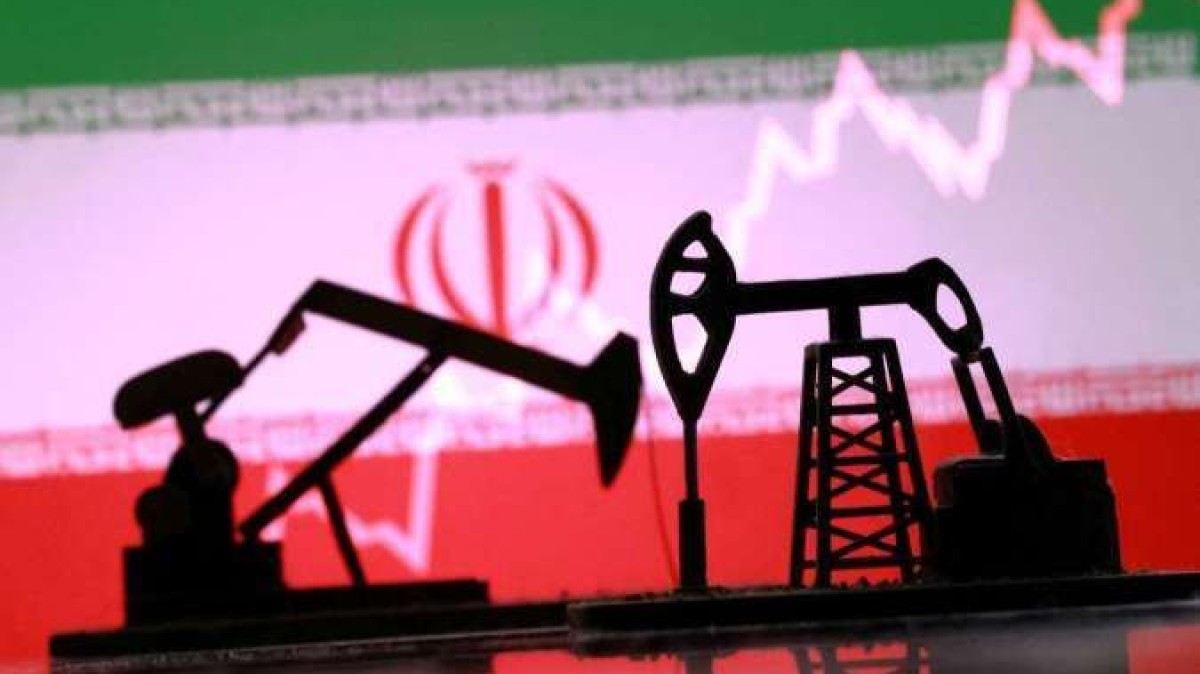
Global oil prices strengthened again during trading on Wednesday (October 21, 2026), driven by growing concerns over disruptions to oil shipments through the Strait of Hormuz, alongside a decline in United States crude oil inventories. Brent crude for December delivery rose 1.4% to US$110.35 per barrel as of 11:24 AM Singapore time, while West Texas Intermediate (WTI) climbed 1.4% to US$99.16 per barrel. This upward movement follows reports that a large oil tanker struck a naval mine in the Strait of Hormuz, heightening concerns regarding the security of global energy distribution routes.
Pressure on supply has intensified following a report from the American Petroleum Institute (API) indicating that U.S. crude oil inventories fell by approximately 4.9 million barrels over the previous week. Stocks of gasoline and refined petroleum products also reportedly declined. Should these figures be confirmed by official U.S. government data, it would mark the third consecutive weekly drop in crude oil inventories. This situation reinforces the view that oil availability in the market is tightening, providing further support for rising prices.
Supply concerns are also reflected in the continued shrinkage of global oil inventories. The International Energy Agency (IEA) previously estimated that by the end of September, global oil stocks were approximately 500 million barrels below pre-war levels, while inventories in onshore storage facilities reached their lowest point since at least 2016. Meanwhile, preliminary vessel-tracking data indicates that non-Iranian oil exports from the Persian Gulf averaged only about 9.1 million barrels per day during the first 20 days of October. This figure suggests that shipments through the Strait of Hormuz continue to face obstacles, even as some distribution activities begin to recover. Geopolitical tensions remain a primary factor keeping oil prices at high levels. Attacks on oil tankers and energy infrastructure in the Persian Gulf region continue to heighten the risk of distribution disruptions, while the Russia-Ukraine conflict further constrains global supply. In the United States, President Donald Trump has sought to lower energy prices ahead of the November midterm elections through various measures, including easing trade barriers on Russian energy and securing diesel export agreements. However, these efforts have yet to fully alleviate market concerns, as peace talks in the Middle East remain fraught with uncertainty.
Looking ahead, Brent crude prices could maintain their upward momentum if shipping disruptions in the Strait of Hormuz persist and official U.S. data confirms a decline in oil inventories. From a technical perspective, the US$111–US$112 range serves as a key resistance area, while the US$108–US$109 range may act as an initial support level. Should supply pressures intensify, Brent could potentially test even higher levels. Conversely, diplomatic progress or the restoration of oil shipments could trigger a market correction. Rising oil prices also carry the risk of exacerbating global inflationary pressures, leaving the market to question whether Brent will continue its ascent or be reined in by efforts to de-escalate conflicts.