Hang Seng Falls, Hormuz Makes Asian Markets Cautious
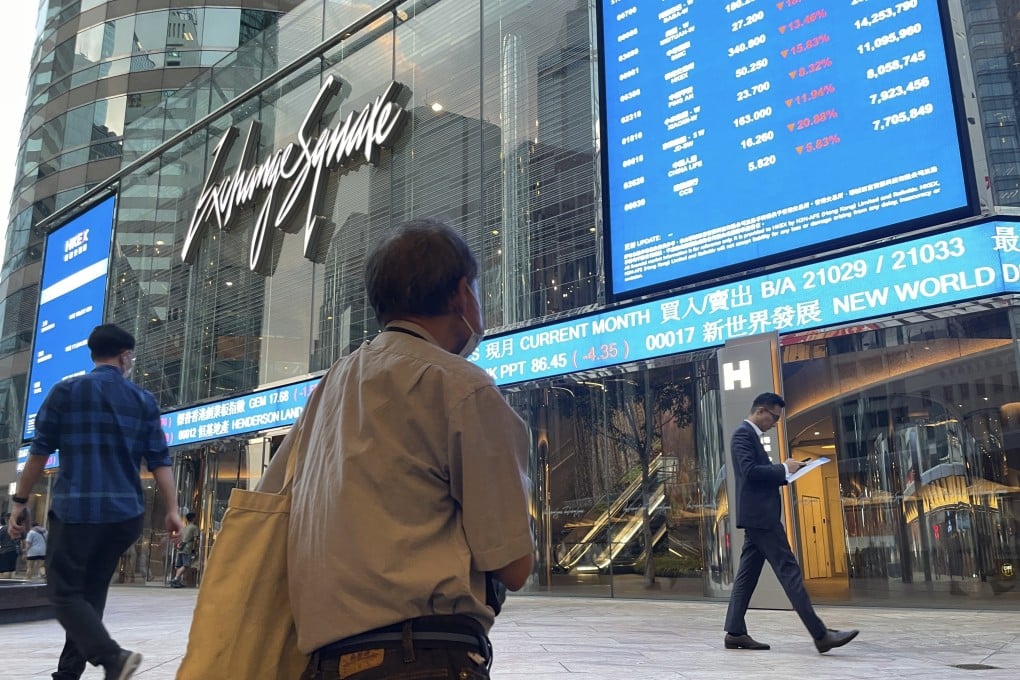
The Hang Seng Index fell 300 points, or 1.2%, to 24,105 on Thursday (June 11), extending its decline for the seventh consecutive session. This level was the lowest since July 2025, indicating continued selling pressure in the Hong Kong market amid fragile global sentiment.
The main pressure came from renewed escalation in the Middle East. The United States launched attacks on several targets in Iran for the second consecutive day, while President Donald Trump accused Tehran of temporarily delaying peace negotiations. This situation prompted investors to reduce exposure to riskier assets, including Asian stocks.
Market concerns increased after Iran announced a halt to shipping through the Strait of Hormuz. This waterway is crucial for global energy shipments, so a prolonged disruption could push oil prices up and maintain high inflation risks. For the stock market, the combination of expensive oil and geopolitical uncertainty typically weighs on cyclical sectors and consumer staples.
Most sectors in Hong Kong moved lower, led by retail, consumer staples, and some technology stocks. Lenovo fell 0.6%, the HKEX weakened 0.5%, while Xiaomi fell 0.9%. This decline indicates that investors remain cautious about stocks sensitive to demand and risk sentiment.
However, the index's decline was not deeper because several large-cap stocks continued to gain ground. Tencent rose 1.4%, AIA strengthened 2.4%, and SMIC added 0.6%. The gains in these large-cap stocks helped withstand broader selling pressure in the market.
For now, the direction of the Hang Seng will still be influenced by developments in the US-Iran conflict, conditions in the Strait of Hormuz, oil price movements, and investor interest in Chinese technology stocks. If energy and geopolitical risks persist, the Hong Kong market could potentially remain defensive in the short term. (asd)
Source: Newsmaker.id