Hang Seng Index Drops, Global Risks and Energy Inflation Weigh on Sentiment
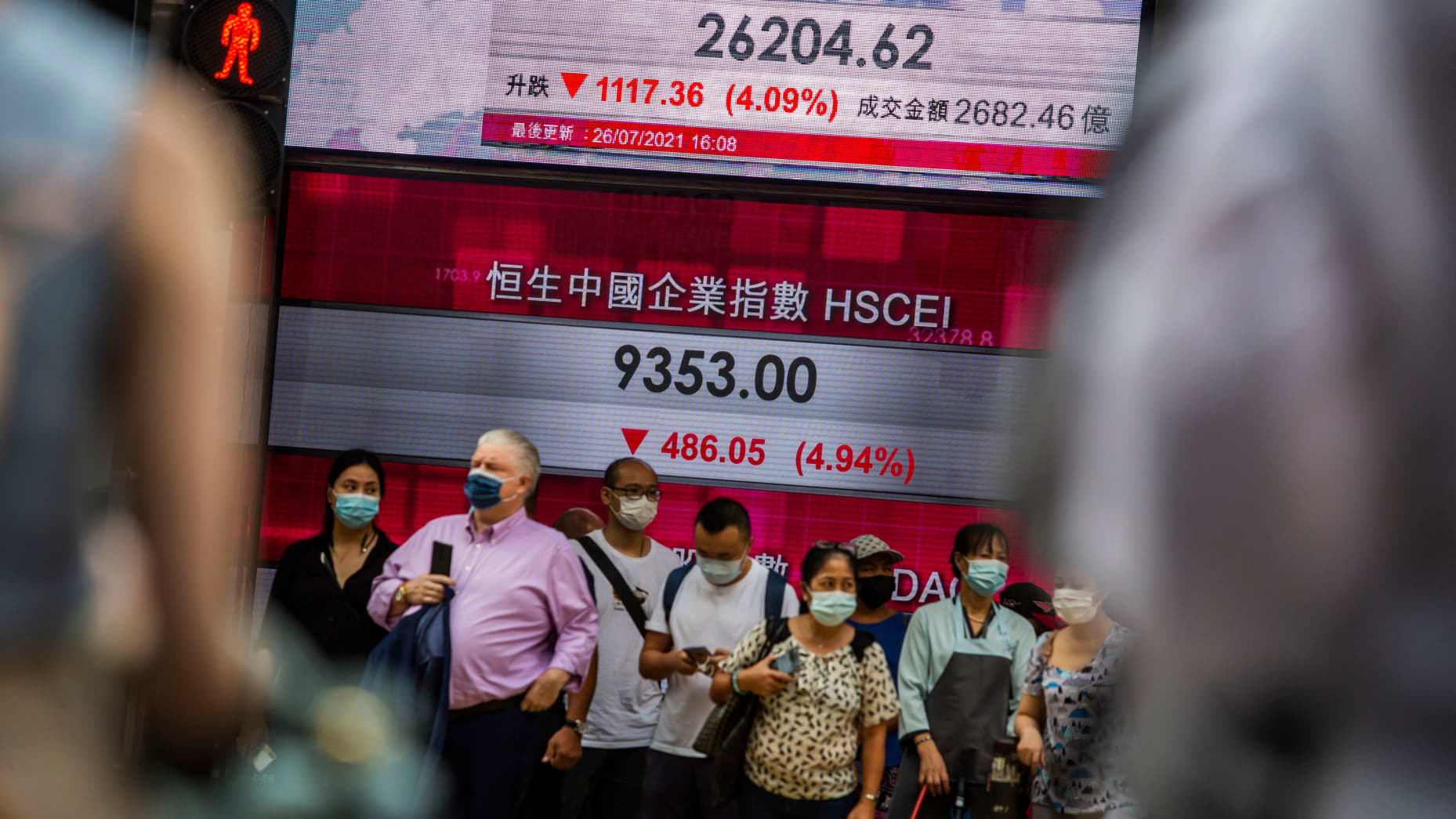
The Hang Seng Index fell 223 points, or 0.9%, to close at 25,277 on Friday, extending its decline for the second straight session as most sectors declined. Sentiment remained cautious after global central banks warned that war in the Middle East could revive inflation, while the IMF assessed that the economic impact depends heavily on the duration and intensity of the conflict.
Technology and consumer discretionary stocks posted the steepest declines, with the property sector also weakening. On a weekly basis, the Hang Seng posted a third straight weekly decline, down 0.7%, amid concerns that China's policy support could be delayed until growth pressures are more clearly visible.
From Beijing, the People's Bank of China (PBOC) maintained its key lending rate at its lowest level for the 10th month in March. However, the surge in oil prices due to the Iran conflict is seen as accelerating China's exit from deflationary mode sooner than expected, adding uncertainty to the future direction of policy. Market losses were somewhat offset by data showing China's youth unemployment rate fell to an eight-month low in February.
At the stock level, Xiaomi fell 7.8%, followed by SMIC (-4.9%), China Unicom (-4.5%), and Sunny Optical (-3.5%). Market participants await the release of Hong Kong's February inflation figures and Q4 current account balance, scheduled for release today.
Source: Newsmaker.id