Trump Tariffs Hit Asian Stocks, Copper Prices
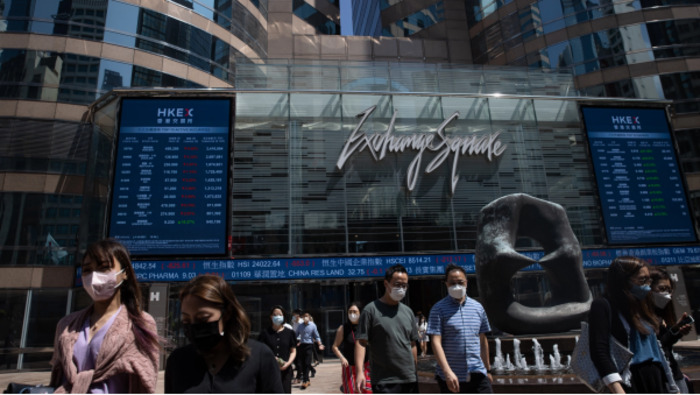
Asian stock markets opened lower on Wednesday (July 9, 2025) after US President Donald Trump confirmed that there would be no extension of the deadline for the implementation of new tariffs planned to start in early August. Investors chose to be cautious, especially after Trump also threatened to impose a 50% tariff on copper imports, as well as opening up the possibility of new tariffs on pharmaceutical products and BRICS member countries, including India.
The impact was immediately felt in the global market. Copper futures prices on the London Metal Exchange (LME) immediately fell after Trump's statement sparked concerns in the industrial metals market. Although US copper prices had jumped sharply in the previous session due to speculation of supply restrictions, uncertainty from the trade policy side made investors choose to exit risky assets. In the Asian region, Japanese stocks recorded a slight increase, but Australian stocks and the Asian regional index as a whole fell around 0.1%.
In a Cabinet meeting and a statement on social media, Trump said that several countries had not shown good faith in finalizing a quick trade deal, so he was ready to launch additional tariffs in the next few days. While Trump has previously issued an executive letter delaying “reciprocal tariffs,” his latest move signals a renewed commitment to push for an aggressive tariff regime, particularly against countries deemed unfair to U.S. companies, including the European Union.
Analysts say the market reaction this time is more subdued than in the past. According to Tony Sycamore of IG Australia, markets have become accustomed to Trump’s pattern of tariff threats and delays, and are now more focused on new economic data or a spike in inflation as a bellwether. However, tariff tensions remain a major risk that could potentially limit global growth, although not strong enough to trigger a recession, according to UBS analyst Ulrike Hoffmann-Burchardi. For now, investors are advised to keep their portfolios diversified amid high global volatility.
Source: (ayu-newsmaker)